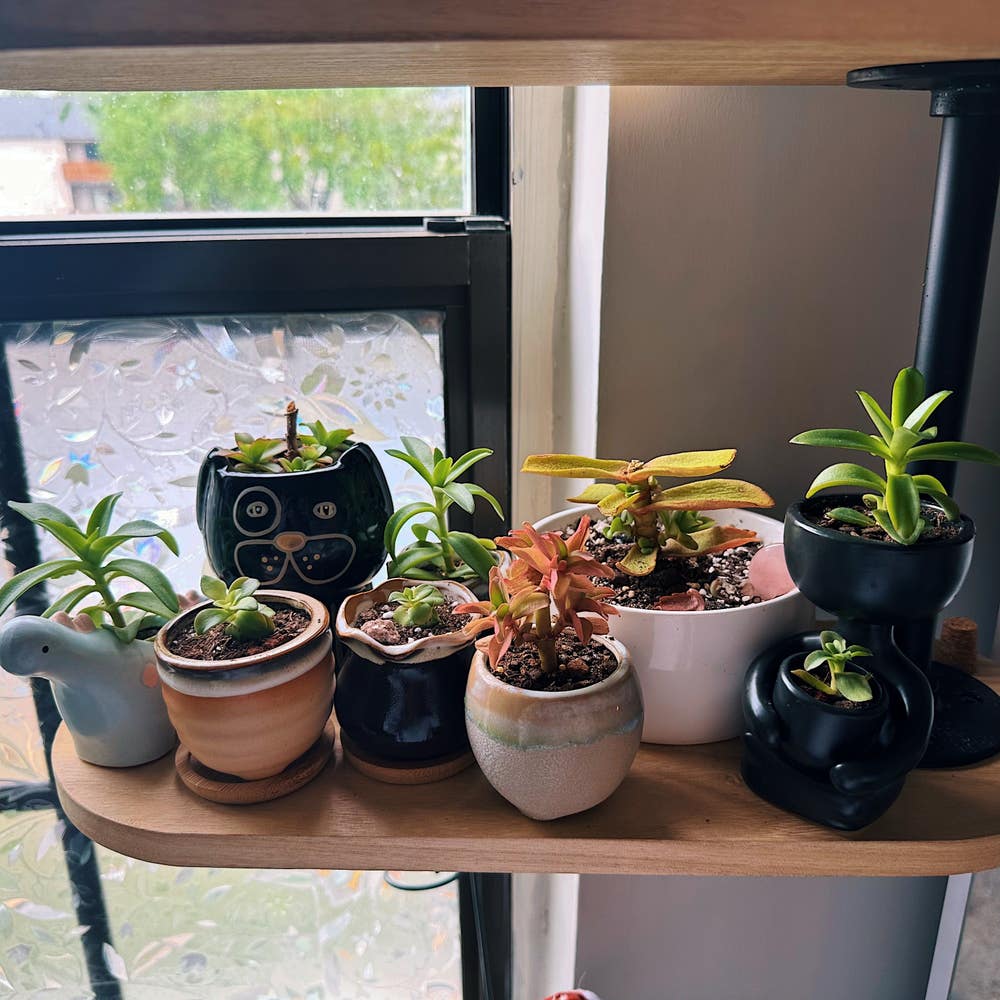
🏯 Growing Your Pagoda Village Succulent Outdoors
Crassula capitella 'Campfire'
By the Greg Editorial Team
Oct 04, 2024•5 min read
This article was created with the help of AI so we can cover more plants for you. May contain errors. See one? Report it here.
- 🌞 Pagoda Village succulents need 6+ hours of sunlight for optimal growth.
- 💧 Water deeply every 2-3 weeks, allowing soil to dry out to prevent root rot.
- 🌱 Use well-draining soil and monitor for pests to ensure healthy plants.
Growth Habits
Growth Pattern 🌱
Pagoda Village succulents are slow-growing plants, typically reaching heights of 12 to 18 inches. Their gradual growth makes them a delightful addition to any garden, allowing you to appreciate their unique structure over time.
Ideal Conditions ☀️
These succulents thrive in full sun, requiring at least six hours of direct sunlight daily. They also prefer well-draining soil, making them perfect for outdoor settings where moisture control is essential.
Sunlight and Watering Needs
🌞 Sunlight Exposure
For your Pagoda Village succulent to thrive, it needs full sun exposure for 6-8 hours daily. If you notice etiolated growth or pale leaves, it’s a clear sign that your plant isn’t getting enough sunlight.
💧 Watering Frequency and Techniques
Once established, these succulents require minimal watering. Always allow the soil to dry out between waterings to prevent issues.
Watering Techniques
- Deep watering: Water thoroughly until it drains from the bottom.
- Frequency: Aim for every 2-3 weeks during the growing season, and reduce this in winter.
Proper watering is crucial; it prevents root rot and supports healthy growth. By mastering these techniques, you’ll ensure your succulent remains vibrant and resilient.
With sunlight and watering needs covered, let’s explore the ideal soil and fertilization preferences for your Pagoda Village succulent.
Soil and Fertilization Preferences
🌱 Soil Types
For your Pagoda Village succulent, a well-draining soil mix is essential. Opt for a cactus or succulent blend to ensure proper drainage and aeration.
The ideal pH level for this plant ranges from slightly acidic to neutral, specifically between 6.0 and 7.0. This balance helps your succulent thrive in outdoor settings.
📅 Fertilization Schedule
During the growing season, use a diluted, balanced fertilizer to support healthy growth. This simple step can make a significant difference in your plant’s vitality.
Fertilization Schedule:
- Frequency: Apply every 4-6 weeks during spring and summer.
- Types: Choose between liquid fertilizers or slow-release granules for convenience.
By adhering to these soil and fertilization preferences, you’ll set your Pagoda Village succulent up for success. Next, let’s explore the best planting options for your outdoor garden.
Planting Options
🌱 Container vs. In-Ground
Choosing between container and in-ground planting for your Pagoda Village succulent can significantly impact its growth and care.
Benefits of Container Planting
Container planting offers remarkable mobility. You can easily reposition your succulent to ensure it gets optimal sunlight or protection from harsh weather.
Another advantage is drainage. Containers allow you to have better control over soil moisture levels, which is crucial for preventing root rot.
Drawbacks of Container Planting
However, container planting has its downsides. Limited root space can restrict growth over time, making it essential to monitor your plant's development.
Additionally, containers tend to dry out faster, leading to an increased watering frequency. This can be a hassle, especially during hot months.
Benefits of In-Ground Planting
On the flip side, in-ground planting allows for natural growth. Your succulent has more space for roots to expand, promoting healthier development.
Moreover, in-ground plants generally require less frequent watering. The surrounding soil retains moisture better, making your life a bit easier.
Drawbacks of In-Ground Planting
Yet, in-ground planting isn't without challenges. You have less control over soil conditions, which means careful preparation is necessary to ensure your succulent thrives.
Lastly, in-ground plants are more vulnerable to pests and diseases. They face greater exposure to outdoor elements, so regular monitoring is essential.
In summary, both planting options have unique benefits and drawbacks. Your choice will depend on your gardening style and the specific needs of your Pagoda Village succulent.
Next, let’s explore how to protect your succulent from weather extremes and pesky pests.
Protection from Weather and Pests
🌨️ Weather Protection Strategies
Protecting your Pagoda Village succulent from harsh weather is essential for its health. During cold snaps, use frost cloths or bring containers indoors to shield them from frost damage.
In extreme heat, consider using shade cloths to prevent sunburn. This simple step can make a significant difference in maintaining vibrant foliage.
🐞 Outdoor Pests and Prevention
Outdoor pests can be a nuisance, but identifying them early can save your plants. Keep an eye out for aphids, which leave curled leaves and sticky residue, and mealybugs, recognizable by their cotton-like masses on leaves.
To prevent infestations, conduct regular inspections of your plants weekly. Additionally, introducing natural predators like ladybugs or lacewings can help keep pest populations in check.
🦠 Disease Management
Common diseases can threaten your succulent's vitality. Root rot, characterized by wilting and yellowing leaves, is often a result of overwatering, while powdery mildew appears as white, powdery spots on leaves.
To manage these issues effectively, employ proper watering techniques to avoid overwatering. Ensuring good air circulation by spacing plants adequately can also help prevent disease outbreaks.
With these protective measures in place, your Pagoda Village succulent will thrive outdoors. Next, let’s explore how to care for your plant through seasonal changes and climate considerations.
Seasonal Care and Climate Considerations
Seasonal Changes 🌸
As the seasons shift, so do the needs of your Pagoda Village succulent.
- Spring: This is the time to ramp up watering and fertilization as growth kicks into high gear.
- Summer: Keep a close eye out for pests and ensure your plant gets enough water to thrive.
- Fall: Prepare your succulent for dormancy by reducing watering frequency.
- Winter: Protect your plant from frost and cold temperatures to ensure it survives the chill.
Climate Zone Adaptability 🌍
Pagoda Village succulents flourish in USDA zones 9-11.
For those in colder climates, consider container gardening. This allows for easy mobility and protection from harsh weather conditions.
Extreme Weather Preparedness ⛈️
Being prepared for extreme weather is essential for your succulent's health.
- Drought: Use mulch to help retain soil moisture during dry spells.
- Flooding: Ensure proper drainage in your planting areas to prevent waterlogging.
By understanding seasonal changes and climate adaptability, you can provide the best care for your Pagoda Village succulent. This proactive approach will keep your plant healthy and vibrant, ready to face whatever nature throws its way.
⚠️ Safety First
This content is for general information and may contain errors, omissions, or outdated details. It is not medical, veterinary advice, or an endorsement of therapeutic claims.
Always consult a qualified healthcare professional before using any plant as food, medicine, or supplement.
Never eat any plant (or feed one to pets) without confirming its identity with at least two trusted sources.
If you suspect poisoning, call Poison Control (800) 222-1222, the Pet Poison Helpline (800) 213-6680, or your local emergency service immediately.
Spotted an error? Please report it here.
Grow your Pagoda Village succulent flourishingly 🌞 with Greg's tailored care reminders that help you dodge root rot and pests for a vibrant outdoor display!