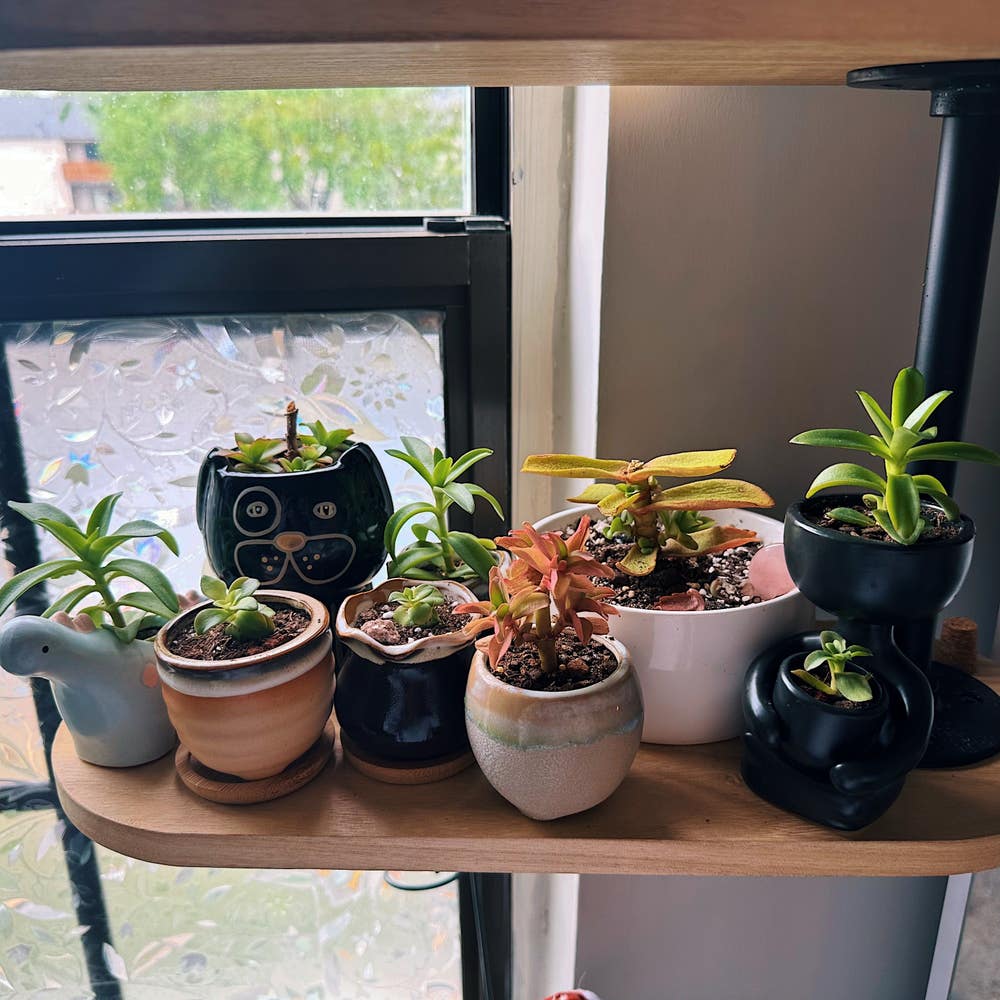
Common Pagoda Village Succulent Problems and Solutions 🌵
Crassula capitella 'Campfire'
By the Greg Editorial Team
Oct 04, 2024•4 min read
This article was created with the help of AI so we can cover more plants for you. May contain errors. See one? Report it here.
- 🌱 Recognize unhealthy succulents by checking for yellowing leaves and wilting.
- 💧 Overwatering causes root rot, while underwatering leads to shriveled leaves.
- 🐛 Pests like mealybugs can harm succulents; treat with insecticidal soap.
Recognizing Unhealthy Succulent
Symptoms of an unhealthy plant 🌱
Recognizing an unhealthy succulent is crucial for its survival. Look out for yellowing leaves, which often indicate stress or a nutrient deficiency.
Wilting or drooping leaves suggest either overwatering or underwatering. If your plant has fuzzy growth, it might be suffering from fungal issues like powdery mildew.
Leggy growth is another red flag, signaling insufficient light and leading to elongated stems. These symptoms can help you diagnose the problem before it escalates.
By staying vigilant, you can ensure your succulent thrives and remains a vibrant part of your home. Next, let’s explore common problems specific to succulents and how to tackle them effectively.
Common Problems Specific to Succulent
💧 Incorrect Watering
Identifying Overwatering and Underwatering
Overwatering is often indicated by yellowing leaves, mushy stems, and root rot. Conversely, underwatered succulents display dry, shriveled leaves and wilting.
Causes and Effects
Poor drainage and excessive watering frequency lead to overwatering. Infrequent watering and dry soil conditions are the main culprits for underwatering.
Steps to Resolve
For Overwatered Plants:
- Remove the plant from its pot and inspect the roots.
- Trim away any rotten roots.
- Repot in fresh, well-draining soil.
- Adjust your watering schedule using the Greg plant care app for reminders.
For Underwatered Plants:
- Soak the plant in water for 30 minutes.
- Establish a consistent watering routine.
💡 Incorrect Light Conditions
Signs of Inadequate or Excessive Light
Insufficient light results in leggy growth and pale leaves. Excessive light can scorch leaves and cause browning edges.
Causes and Effects
Weak growth often stems from placement in dark areas. Direct sunlight exposure without protection can lead to excessive light issues.
Steps to Resolve
Adjust Placement Based on Light Needs:
- Move to a brighter location for insufficient light.
- Use sheer curtains or shade for excessive light.
Monitor light exposure regularly using the Greg plant care app.
🐛 Pests
Common Pests Affecting Succulent
Mealybugs appear as white, cotton-like masses on leaves. Aphids are small, green insects that cause leaf curling.
Identification and Symptoms
Signs of infestation include sticky residue, visible insects, and leaf damage.
Treatment Options
- Manual Removal: Wipe pests off with a damp cloth.
- Insecticidal Soap or Neem Oil: Apply for severe infestations.
🦠 Diseases
Fungal Issues
Common fungal problems include powdery mildew, rust, black rot, and blight. Powdery mildew shows as white, powdery spots, while rust presents orange or brown spots.
Identification and Symptoms
Monitor for discoloration, spots, or decay on your succulents.
Treatment Options
- Improve air circulation around the plant.
- Apply fungicides as needed, following label instructions.
🌱 Root Problems
Identifying Root Rot and Squishy Roots
Root rot manifests as dark, mushy roots with a foul smell. Squishy roots indicate overwatering and poor drainage.
Causes and Effects
Overwatering leads to root suffocation and decay.
Steps to Resolve
- Remove the plant from its pot and inspect the roots.
- Trim away rotten roots and repot in dry, well-draining soil.
Understanding these common succulent problems can help you maintain healthy plants. Next, let’s explore preventive measures to keep your succulents thriving.
Preventive Measures
Best Practices for Healthy Growth 🌱
To keep your succulents thriving, start with well-draining soil and pots that have drainage holes. This setup prevents water from pooling, which can lead to root rot.
Establishing a consistent watering schedule is crucial. Consider using the Greg plant care app for reminders, ensuring your plants receive just the right amount of moisture.
Importance of Regular Monitoring 🔍
Regularly check your succulents for signs of stress or pests. A quick weekly inspection can save you from bigger problems down the line.
Adjust your care practices based on what you observe. Being proactive will help your plants flourish and keep them looking their best.
By following these preventive measures, you can enjoy a vibrant succulent collection that thrives in your care. Next, let’s dive into common problems specific to succulents and how to tackle them effectively.
⚠️ Safety First
This content is for general information and may contain errors, omissions, or outdated details. It is not medical, veterinary advice, or an endorsement of therapeutic claims.
Always consult a qualified healthcare professional before using any plant as food, medicine, or supplement.
Never eat any plant (or feed one to pets) without confirming its identity with at least two trusted sources.
If you suspect poisoning, call Poison Control (800) 222-1222, the Pet Poison Helpline (800) 213-6680, or your local emergency service immediately.
Spotted an error? Please report it here.
Keep your succulents thriving and vibrant 🌵 by using Greg's tailored care reminders to tackle issues like overwatering and pests with confidence!