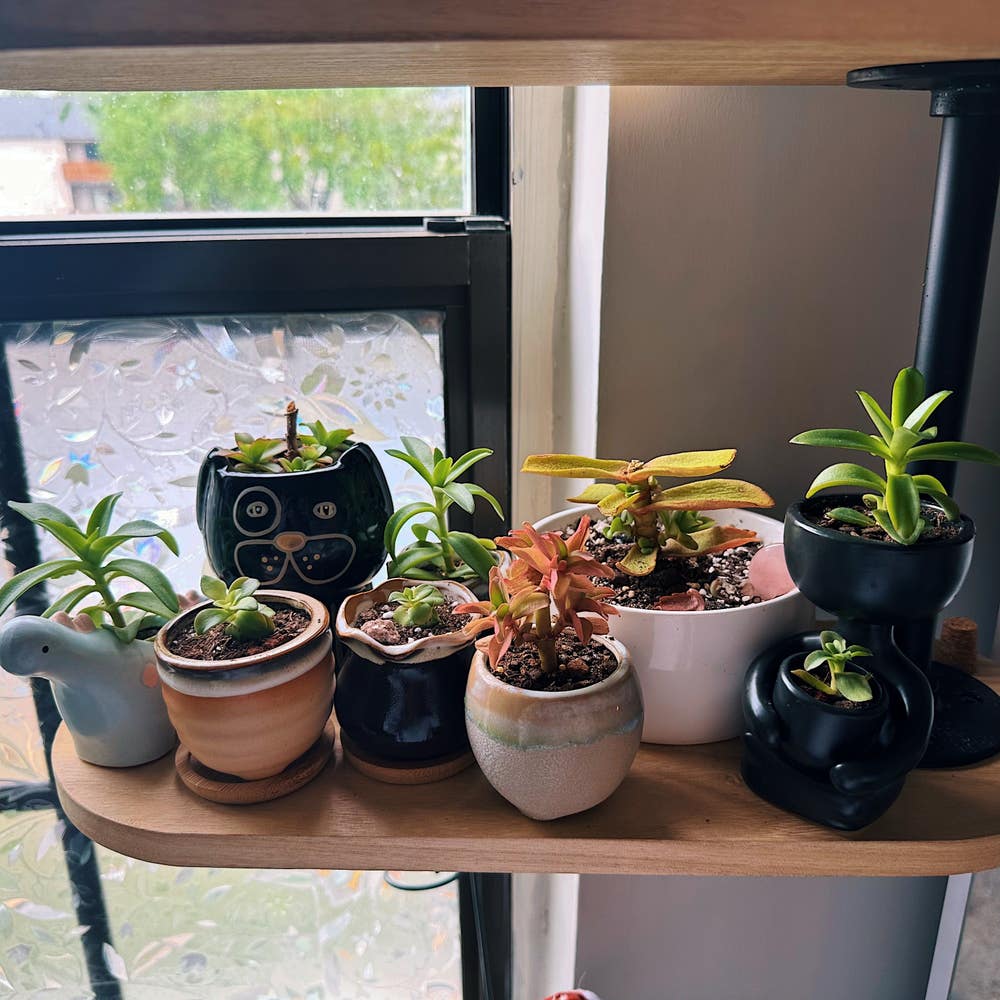
🍃 Best Tips for Dropping Leaves on Pagoda Village Succulent
Crassula capitella 'Campfire'
By the Greg Editorial Team
Oct 04, 2024•5 min read
This article was created with the help of AI so we can cover more plants for you. May contain errors. See one? Report it here.
- 💧 Overwatering causes leaf drop; let soil dry completely between waterings.
- 🌵 Underwatering leads to shriveled leaves; water when top inch of soil is dry.
- 🐛 Pests like mealybugs cause issues; use neem oil for organic control.
Causes of Leaf Drop
💧 Overwatering: Signs and Solutions
Overwatering is a common issue for Pagoda Village succulents. Symptoms include yellowing leaves, which indicate excess moisture, and soft, mushy leaves that signal rot. Dropping leaves often appear as the first visible sign of this problem.
To combat overwatering, adjust your watering frequency. Allow the soil to dry out completely between waterings. Improving drainage is also crucial; use pots with drainage holes and a well-draining soil mix. If the problem persists, consider repotting the plant. This involves removing affected roots and replacing them with fresh soil.
🚰 Underwatering: Identifying Symptoms
Underwatering can be just as detrimental. Symptoms include wrinkled or shriveled leaves, indicating a lack of moisture. Leaf drop often occurs when the plant is severely dehydrated.
To prevent underwatering, establish a consistent watering schedule. Water when the top inch of soil feels dry. Additionally, monitor environmental conditions, adjusting your watering based on humidity and temperature.
🐛 Pest Infestation: Common Pests and Remedies
Pest infestations can wreak havoc on your succulent. Common pests include mealybugs, which appear as cotton-like masses on leaves, and spider mites, identifiable by fine webbing and stippled leaves.
Signs of pest infestation often include leaf drop, which is a secondary symptom of damage. Yellowing or browning leaves can also indicate trouble. For pest control, consider organic options like neem oil or insecticidal soap. If the infestation is severe, systemic insecticides may be necessary, but use them as a last resort.
Understanding these causes of leaf drop will help you maintain a healthy Pagoda Village succulent. Next, let’s explore effective prevention techniques to keep your plant thriving.
Preventing Leaf Drop
Proper Watering Techniques 💧
Establishing a consistent watering schedule is crucial for your Pagoda Village succulent. Aim to water every 2-3 weeks during the growing season, adjusting based on seasonal changes and humidity levels.
When watering, ensure you do so thoroughly until water drains from the bottom of the pot. Avoid getting water on the leaves to prevent rot, which can lead to further issues down the line.
Choosing the Right Soil Mix 🌱
Selecting the right soil mix is essential for your succulent's health. A cactus mix or a blend of potting soil, sand, and perlite works wonders for drainage and aeration.
Soil aeration is vital in preventing root rot. Good airflow in the soil allows roots to breathe, reducing the risk of moisture buildup that can lead to decay.
By implementing these watering techniques and choosing the right soil mix, you can significantly reduce the chances of leaf drop in your succulent. Next, let’s dive into diagnosing leaf drop to better understand what might be affecting your plant.
Diagnosing Leaf Drop
👀 Visual Symptoms to Look For
Identifying leaf drop patterns is crucial for diagnosing issues with your Pagoda Village succulent. Sudden leaf drop often signals a more severe problem, while gradual leaf drop may indicate a less urgent concern.
Pay attention to color changes as well. Yellowing leaves typically suggest overwatering, while browning leaves can indicate underwatering or pest damage.
📖 Documenting Changes
Keeping a care journal can be a game-changer. Track symptoms and changes over time to pinpoint what might be affecting your plant.
This documentation helps you notice patterns and make informed adjustments to your care routine.
🦠 Identifying Root Rot
Root rot can be a silent killer for succulents. Symptoms include wilting despite adequate watering and a foul smell emanating from the soil.
To confirm root rot, gently remove the plant from its pot. Look for black, mushy roots, which are clear indicators of rot.
🔍 Steps to Confirm Root Rot
- Gently remove the plant from the pot.
- Inspect the roots for discoloration and texture.
- Identify any black, mushy roots as signs of rot.
By diagnosing these issues early, you can take action to save your succulent and prevent further leaf drop. Next, let’s explore effective treatment options for your plant.
Treating Leaf Drop
Step-by-Step Treatment for Overwatered Plants 🌊
If your Pagoda Village succulent is suffering from overwatering, act quickly. Start by removing the plant from its pot to assess the situation.
Next, trim away any affected roots. Look for black or mushy areas, as these indicate rot.
Once you've cleared the unhealthy roots, repot the plant in fresh, dry soil. This will help it recover and thrive again.
Finally, adjust your watering schedule to prevent recurrence. Allow the soil to dry out completely between waterings for optimal health.
Recovery Techniques for Underwatered Plants 💧
Underwatered plants can bounce back with a few simple steps. First, soak the plant in water for about 30 minutes to rehydrate it thoroughly.
After soaking, allow excess water to drain away. This prevents root rot while ensuring the plant absorbs enough moisture.
To maintain its health, establish a consistent watering routine moving forward. Water when the top inch of soil feels dry to the touch.
Pest Control Methods: Organic vs. Chemical 🐛
Pest infestations can lead to leaf drop, but you have options for treatment. For organic methods, consider applying neem oil, which is safe for indoor use and effective against many pests.
You can also manually remove pests if the infestation is minor. This hands-on approach can be quite satisfying!
If the situation escalates, chemical methods like systemic insecticides may be necessary. Use these as a last resort and always follow the instructions carefully to protect your plant and environment.
By addressing these issues promptly, you can help your succulent thrive and prevent future leaf drop. Next, let’s explore how to prevent leaf drop in the first place!
⚠️ Safety First
This content is for general information and may contain errors, omissions, or outdated details. It is not medical, veterinary advice, or an endorsement of therapeutic claims.
Always consult a qualified healthcare professional before using any plant as food, medicine, or supplement.
Never eat any plant (or feed one to pets) without confirming its identity with at least two trusted sources.
If you suspect poisoning, call Poison Control (800) 222-1222, the Pet Poison Helpline (800) 213-6680, or your local emergency service immediately.
Spotted an error? Please report it here.
Keep your Pagoda Village succulent thriving 🌿 by mastering your watering routine and pest control with Greg's tailored care reminders that ensure your plant stays happy and healthy!