My Campfire Crassula's Sunlight Needs
Crassula capitella 'Campfire'
By the Greg Editorial Team
Jun 18, 2024•4 min read
This article was created with the help of AI so we can cover more plants for you. May contain errors. See one? Report it here.
- 6+ hours of sunlight needed, but avoid harsh midday rays for Campfire Crassula.
- 🌞 South-facing windows best indoors; use full-spectrum grow lights in winter.
- Bright light for blooms: Position for morning sun and monitor seasonal changes.
Soaking Up the Sun: Outdoor Light Mastery
🌞 Finding the Sweet Spot
Your Campfire Crassula craves at least 6 hours of sunlight when living it up outdoors. But beware, the midday sun can be a harsh critic, scorching your plant's vibrant leaves. Aim for a performance of morning glory and late afternoon encore, avoiding the sun's high noon soliloquy.
🌿 Transitioning to the Great Outdoors
Acclimation is your Crassula's backstage pass to outdoor success. Start with a shady spot and incrementally introduce it to the spotlight of indirect sunlight. Think of it as a dress rehearsal, preparing your plant for the main event without the drama of leaf drop or wilting. To shield your green star from the sun's overzealous applause, employ shade cloth or a well-placed umbrella during peak hours.

Indoor Light Hacks for Campfire Crassula
💡 Window Wisdom
Finding the optimal window for your Campfire Crassula can be a game of light and shadows. South-facing windows are the jackpot, offering a steady stream of bright light. But don't discount east or west-facing windows; they provide a gentler touch of sunshine that can be just right.
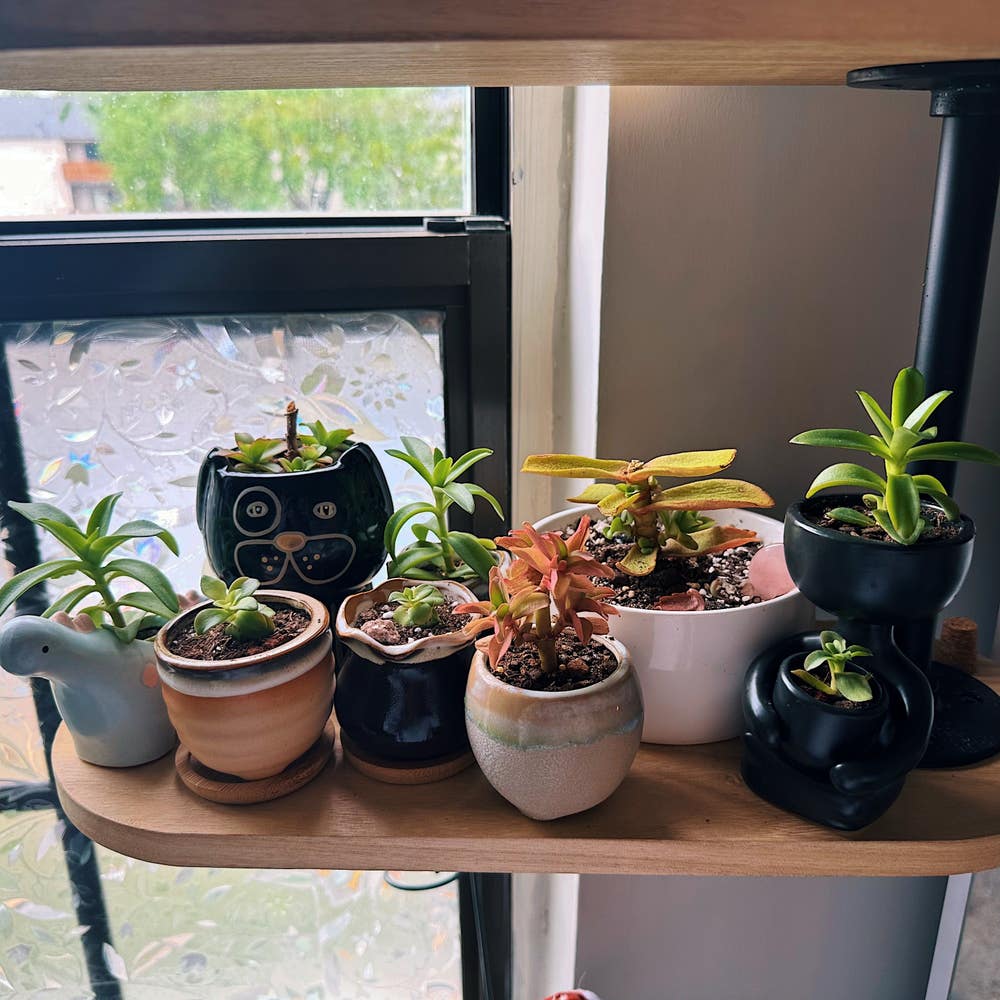
Look for signs in your plant's appearance to gauge if it's basking in enough light. A vibrant, deep red hue means it's soaking up the rays just fine. If it's looking a bit faded or stretched out, it's probably time to scoot it closer to the light source.
💡 Supplemental Light Strategies
When your windows just aren't cutting it, grow lights come to the rescue. They're like a personal sun for your succulent, especially during those dreary winter months. Consider LED options—they're energy-efficient and won't turn your plant into a crispy critter.
Full-spectrum bulbs are the way to go, mimicking the sun's natural spectrum. Keep them on for about 12-14 hours to simulate summer's long days. But remember, moderation is key. Too much artificial sun can be just as harmful as too little.

When Flowers Follow the Light
🌞 The Light-Flowering Connection
Campfire Crassula's potential to flower is significantly influenced by light. For those eager to see their succulent in bloom, understanding this connection is key.
Bright sunlight is the non-negotiable ingredient for coaxing out those elusive blooms. During the growing season, typically spring and summer, ensure your plant gets at least 4 to 6 hours of direct sunlight daily.
💡 Tips to Increase the Chances of Seeing Blooms
- Position your Campfire Crassula in a spot where it will receive ample morning sunlight, which is less harsh than afternoon rays.
- Monitor the seasonal changes in light quality and adjust the plant's location to maintain consistent exposure.
- If outdoor light is insufficient, consider supplemental lighting indoors. Grow lights can provide the specific wavelengths needed to encourage flowering.
- Temperature also plays a role; cooler weather can intensify leaf color and promote blooming, so a slight drop at night might be beneficial.
- Remember, light and water are linked. Water your Campfire Crassula on sunny mornings and ensure the soil moisture is balanced with the light it receives.
By following these tips, you're not just waiting for flowers; you're actively creating the conditions for your Campfire Crassula to thrive and bloom.

Troubleshooting Light Issues
🕵️ Common Light-Related Problems
Identifying Signs of Inadequate Light
If your Campfire Crassula's leaves are stretching out like they're yearning for a light hug, it's time to intervene. This leggy growth indicates your plant is not getting enough sunlight. To remedy this, gradually move your plant closer to a light source, ensuring it's still protected from harsh direct rays.
Fixing the Light Deficiency
When your green buddy's leaves start to fade or lose their fiery color, it's a subtle cry for help. Boost light levels with a grow light, but keep it at a safe distance to avoid scorching. Remember, your plant's not trying to get a tan; it's just looking for a little more brightness in its life.
Dealing with Too Much Light
Leaves that crisp up faster than bacon in a hot pan are a sure sign of too much sun. Relocate your Campfire Crassula to a spot with bright, indirect light. If outdoor conditions are too intense, create some shade or bring the plant indoors during the peak sun hours.
Preventing Leaf Damage
Consistent checks are your plant's best insurance policy. If you notice leaves turning yellow or brown, adjust the exposure before your plant turns into a crispy critter. And keep the watering in check—too much water without enough light leads to a soggy, sad Crassula.
⚠️ Safety First
This content is for general information and may contain errors, omissions, or outdated details. It is not medical, veterinary advice, or an endorsement of therapeutic claims.
Always consult a qualified healthcare professional before using any plant as food, medicine, or supplement.
Never eat any plant (or feed one to pets) without confirming its identity with at least two trusted sources.
If you suspect poisoning, call Poison Control (800) 222-1222, the Pet Poison Helpline (800) 213-6680, or your local emergency service immediately.
Spotted an error? Please report it here.
With Greg, you can perfectly balance your Campfire Crassula's love for sunlight, ensuring it flourishes with radiant reds 🌄 by adjusting care reminders as the seasons change.