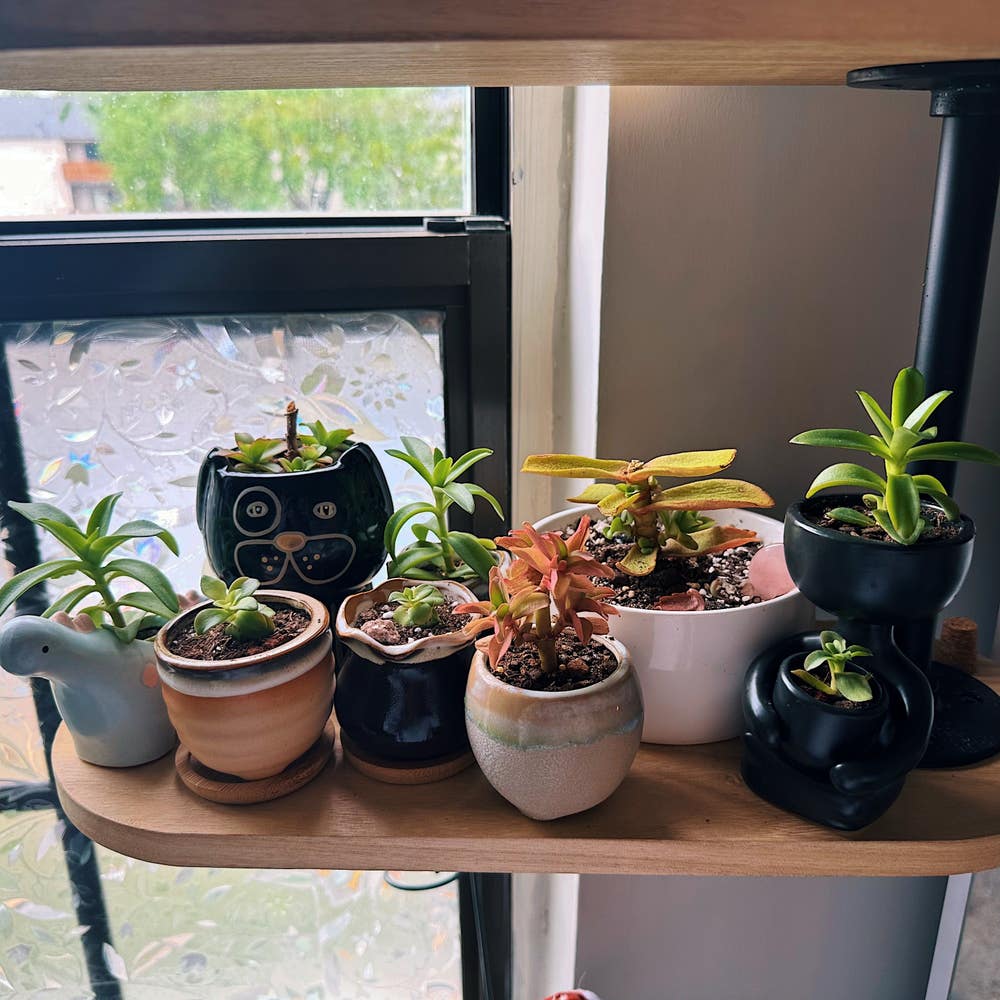
🏯 Choosing the Best Pot for Your Pagoda Village Succulent
Crassula capitella 'Campfire'
By the Greg Editorial Team
Oct 04, 2024•5 min read
This article was created with the help of AI so we can cover more plants for you. May contain errors. See one? Report it here.
- 🌱 Choose pot size wisely: Start with 2-4 inches for seedlings, 6-10 for mature plants.
- 🕳️ Always select pots with drainage holes to prevent root rot and promote healthy growth.
- 🏺 Material matters: Clay offers stability, while plastic retains moisture for forgetful waterers.
Pot Sizes for Different Growth Stages
🌱 Recommended Sizes for Seedlings
When starting your Pagoda Village succulent, choose a container size of 2-4 inches in diameter. Smaller pots help maintain moisture control, which is crucial for young plants.
As your succulent grows, it will need more space. Transitioning to larger pots allows for healthy root development and overall plant vitality.
🌿 Ideal Sizes for Mature Plants
For mature Pagoda Village succulents, opt for containers that are 6-10 inches in diameter. This size provides ample root space, promoting robust growth.
Don't overlook pot depth; it plays a vital role in root stability. A deeper pot helps anchor the plant, ensuring it thrives in its environment.
With the right pot sizes, your succulents will flourish, setting the stage for the next important consideration: pot materials.
Materials for Pots
🌱 Benefits of Clay Pots
Clay pots are a fantastic choice for your Pagoda Village succulent. Their porous nature allows for better airflow to the roots, promoting healthy growth.
Additionally, clay pots have an aesthetic appeal that beautifully complements the design of your succulent. Their weight also provides stability, making them ideal for taller plants that might otherwise topple over.
🪴 Advantages of Plastic Pots
Plastic pots come with their own set of perks. They are lightweight and easy to move, which is perfect for rearranging your plant display.
Cost-effective and available in various sizes, plastic pots can fit any budget. Plus, they retain moisture longer, which can be beneficial in certain conditions, especially if you tend to forget watering.
🏺 Other Materials to Consider
Ceramic pots offer a variety of aesthetic options but can be heavy and may retain moisture more than desired. If you choose ceramic, keep an eye on your watering routine.
Terracotta pots excel in drainage, making them a solid choice for succulents. However, they may require more frequent watering due to their porous nature, so be prepared to check moisture levels regularly.
In summary, selecting the right pot material is crucial for the health and aesthetics of your succulent. Each option has its strengths, so consider your plant's needs and your personal style when making a choice.
Next, let’s dive into the essential drainage considerations to keep your succulent thriving.
Drainage Considerations
Importance of Drainage Holes 🌊
Drainage holes are crucial for preventing water from pooling at the bottom of your pot. This feature helps maintain optimal moisture levels, ensuring your succulent thrives.
How Drainage Affects Succulent Health 🌱
Proper drainage is vital for succulent health. Without it, overwatering can lead to root rot and other diseases, while healthy drainage fosters robust root systems and overall vitality.
Signs of Poor Drainage 🚩
Recognizing the signs of poor drainage can save your plant. Look for yellowing leaves, which often indicate overwatering, and inspect for root rot, characterized by a foul smell and mushy roots.
Stunted growth is another red flag; if your succulent isn't thriving, inadequate drainage might be the culprit. Keeping an eye on these signs ensures your Pagoda Village succulent remains healthy and vibrant.
In the next section, we will explore when and how to repot your succulent, ensuring it continues to flourish in its environment.
Repotting Guidelines
🌱 When to Repot Pagoda Village Succulent
Repotting your Pagoda Village succulent is essential for its health and growth. Look for these signs to determine when it's time to make a move:
- Roots Growing Out of Drainage Holes: If you see roots peeking out, your plant is cramped.
- Soil Depletion: Nutrient levels can drop over time, affecting growth.
- Plant Outgrowing Its Current Pot: A plant that looks too big for its pot is signaling for more space.
🪴 How to Choose the Right Pot When Repotting
Selecting the right pot is crucial for your succulent's well-being. Here’s what to consider:
- Growth Stage: Assess the size and depth needed based on your plant's current stage.
- Material Selection: Choose materials that suit your environment and aesthetic preferences.
- Drainage Holes: Always ensure the new pot has adequate drainage to prevent water accumulation.
🔄 Step-by-Step Repotting Process
Repotting can seem daunting, but it’s straightforward. Follow these steps for a smooth transition:
- Prepare the New Pot: Make sure it has drainage holes.
- Remove the Succulent from Its Current Pot: Gently loosen the soil around the roots.
- Inspect Roots: Trim any damaged or rotting roots to promote healthy growth.
- Add Fresh Potting Soil: Use a well-draining succulent mix to provide nutrients.
- Place the Succulent in the New Pot: Ensure it sits at the same depth as before.
- Water Lightly: This helps the plant acclimate to its new environment without overwhelming it.
With these guidelines, your Pagoda Village succulent will thrive in its new home. Next, let’s explore common mistakes to avoid during the potting process.
Common Mistakes and Solutions
Choosing the Wrong Pot Size 🌱
Selecting the wrong pot size can lead to stunted growth or root rot. If your succulent is cramped in a small pot, it won’t thrive; conversely, an oversized pot can retain too much moisture.
To avoid these issues, regularly assess your plant's size and adjust the pot accordingly. A little proactive care goes a long way in ensuring your succulent flourishes.
Ignoring Drainage Needs 🚰
Ignoring drainage needs is a common pitfall for succulent owners. Without proper drainage holes, water can accumulate at the bottom, leading to overwatering and poor plant health.
Always choose pots with adequate drainage holes to maintain optimal moisture levels. This simple step can save your plant from a world of trouble.
Selecting Inappropriate Materials 🧱
Choosing the wrong pot materials can also hinder your plant's growth. Heavy materials may make it difficult to move your plant, while others might not retain moisture effectively.
Select pot materials that align with your plant's specific needs and your growing conditions. This thoughtful choice can enhance your succulent's vitality and ease of care.
By avoiding these common mistakes, you can create a thriving environment for your Pagoda Village succulent. Next, let’s explore the essential guidelines for repotting your plant when the time comes.
⚠️ Safety First
This content is for general information and may contain errors, omissions, or outdated details. It is not medical, veterinary advice, or an endorsement of therapeutic claims.
Always consult a qualified healthcare professional before using any plant as food, medicine, or supplement.
Never eat any plant (or feed one to pets) without confirming its identity with at least two trusted sources.
If you suspect poisoning, call Poison Control (800) 222-1222, the Pet Poison Helpline (800) 213-6680, or your local emergency service immediately.
Spotted an error? Please report it here.
Select the perfect pot for your Pagoda Village succulent 🌵 with Greg's tailored reminders and expert tips, ensuring your plant flourishes in its ideal environment!