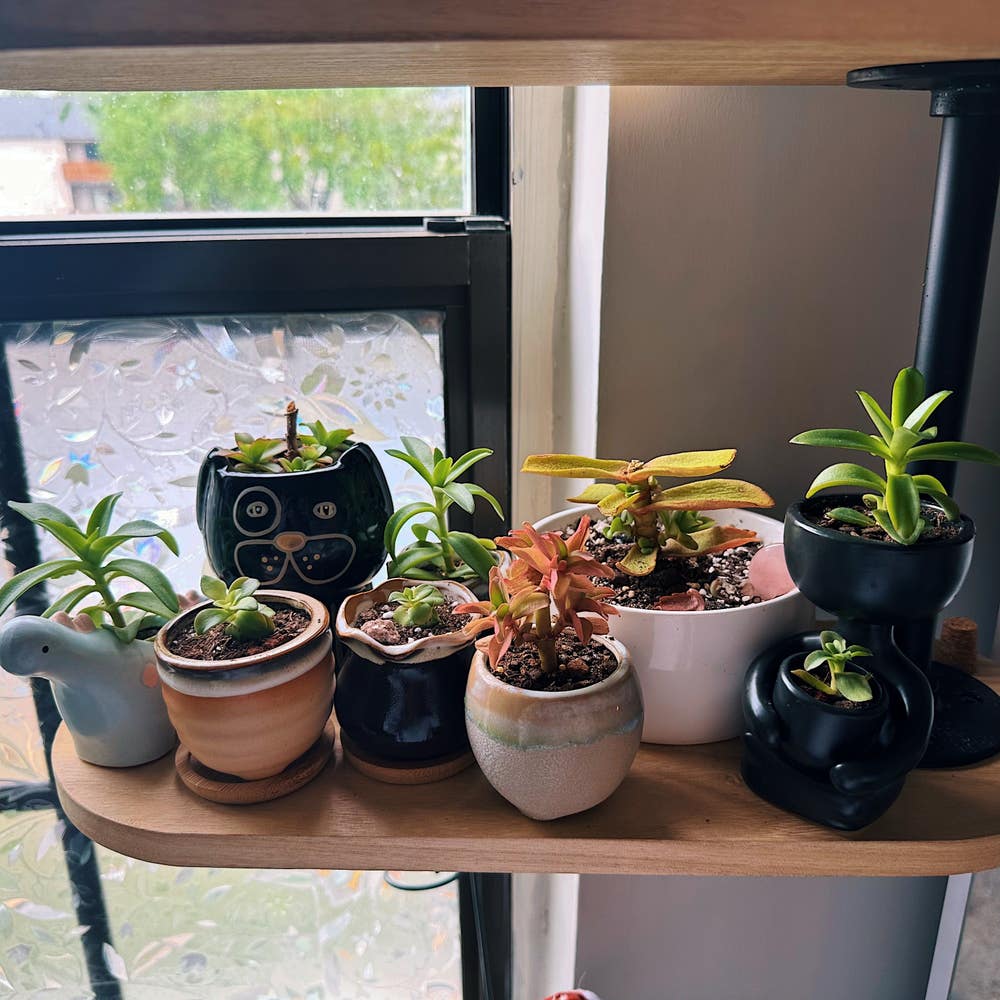
🌵 How to Fix Black Spots on Your Pagoda Village Succulent
Crassula capitella 'Campfire'
By the Greg Editorial Team
Oct 04, 2024•6 min read
This article was created with the help of AI so we can cover more plants for you. May contain errors. See one? Report it here.
- 💧 Consistent watering prevents black spots; avoid both overwatering and underwatering.
- 🌞 Bright, indirect light is essential; too much or too little can cause black spots.
- 🐛 Regular pest inspections help catch issues early, keeping your succulent healthy.
Diagnosing the Problem
Assessing Watering Habits 🌊
A consistent watering schedule is crucial for the health of your Pagoda Village succulent. Too much or too little water can lead to black spots, so understanding the signs of overwatering and underwatering is essential.
Signs of Overwatering:
- Yellowing leaves
- Mushy roots
- Black spots on leaves
Signs of Underwatering:
- Wrinkled leaves
- Dry, crispy edges
- Stunted growth
Checking for Pests 🐛
Inspecting your succulent for pests is a vital step in diagnosing black spots. Follow this step-by-step process to ensure your plant is pest-free.
- Visual Inspection: Look closely at the leaves and stems for any visible pests.
- Check Undersides: Many pests hide on the undersides of leaves.
- Look for Webbing: Spider mites often leave fine webbing.
Tools Needed:
- Magnifying glass for detailed inspection
- Soft brush to remove pests
- Sticky traps to catch flying insects
Evaluating Light Conditions ☀️
Pagoda Village succulents thrive in bright, indirect light. Understanding their light needs can prevent black spots caused by inadequate or excessive exposure.
Ideal Light Conditions:
- 6 hours of indirect sunlight daily
- Avoid harsh, direct sunlight that can scorch leaves
Signs of Inadequate Light:
- Stretching or leggy growth
- Fading leaf color
Signs of Excessive Light:
- Leaf burn or browning edges
- Black spots appearing on leaves
Inspecting Soil Quality and Drainage 🪴
Well-draining soil is essential for succulents to prevent root rot and other issues. Checking soil quality and drainage can help you identify potential problems.
Importance of Well-Draining Soil:
- Prevents water retention
- Promotes healthy root growth
How to Check Soil Moisture Levels:
- Stick your finger about an inch into the soil; if it feels dry, it’s time to water.
- Use a moisture meter for more precise readings.
Drainage Efficiency:
- Ensure your pot has drainage holes.
- Observe how quickly water drains after watering; slow drainage may indicate compacted soil.
By thoroughly diagnosing these aspects, you can effectively address the black spots on your Pagoda Village succulent. Next, we’ll explore treatment options to restore your plant’s health.
Treating Black Spots
🌧️ Step-by-Step Treatment for Overwatering
Overwatering is a common culprit behind black spots on your Pagoda Village succulent. Addressing this issue involves a few straightforward steps.
Adjusting Watering Schedule (difficulty: easy)
Determine current watering frequency: Take a moment to assess how often you’re watering your succulent. This will help you identify if you’re overdoing it.
Adjust to a bi-weekly schedule during growing season: During the growing season, aim to water every two weeks. This gives your plant the hydration it needs without drowning it.
Allow soil to dry completely between waterings: Always check the soil moisture before watering. If it feels damp, hold off until it’s completely dry.
🌱 Repotting with Fresh Soil (difficulty: moderate)
If adjusting your watering schedule doesn’t resolve the issue, repotting may be necessary.
Remove the succulent from its pot: Gently take your succulent out of its pot, being careful not to damage the roots.
Inspect roots for rot and trim damaged areas: Look for mushy or blackened roots. Trim away any rotten sections to promote healthy growth.
Use a well-draining succulent soil mix for repotting: Choose a soil mix designed for succulents. This ensures proper drainage and prevents future black spots.
🍄 Fungal Treatment Options
If black spots persist, they may be a sign of fungal issues. Here’s how to tackle them effectively.
Fungicides and Natural Remedies
Recommended fungicides for succulents: Look for fungicides specifically formulated for succulents. These can help eliminate fungal infections without harming your plant.
Natural alternatives: cinnamon, neem oil: Both cinnamon and neem oil are excellent natural fungicides. They can be applied directly to the affected areas.
Application methods and frequency: Apply fungicides or natural remedies every 1-2 weeks until the issue is resolved. Consistency is key to effective treatment.
🐞 Pest Control Methods
Pests can also contribute to black spots on your succulent. Identifying and treating them is essential for your plant’s health.
Identifying Pests and Treatment Options
Common pests and their identification: Look out for mealybugs, aphids, and spider mites. Each has distinct signs, such as webbing or cotton-like clusters.
Treatment methods: insecticidal soap, neem oil, and manual removal: Use insecticidal soap or neem oil for treatment. For minor infestations, manual removal with a damp cloth can also be effective.
With these treatment options, you can effectively address black spots on your Pagoda Village succulent. Next, let’s explore how to prevent future issues to keep your plant thriving.
Preventing Future Issues
💧 Best Practices for Watering
Proper watering is crucial for the health of your Pagoda Village succulent. Aim to water deeply but infrequently, allowing the soil to dry out completely between sessions.
Adjust your watering frequency with the seasons. In the growing season, a bi-weekly schedule works well, while in winter, you may only need to water once a month.
🌱 Choosing the Right Soil Mix
Selecting the right soil mix can make all the difference. A well-draining succulent soil is essential to prevent root rot and promote healthy growth.
Look for mixes that include perlite or sand for improved drainage and aeration. This ensures your succulent's roots have the space they need to thrive.
☀️ Optimal Light Conditions
Pagoda Village succulents thrive in bright, indirect sunlight. Ideally, they should receive full sun for several hours a day, but be cautious of too much direct exposure, which can scorch their leaves.
If you're growing indoors, consider placing your succulent near a south-facing window. For outdoor settings, partial shade during the hottest parts of the day can help maintain optimal health.
🔍 Regular Inspection and Maintenance Tips
Regular inspections are key to catching issues early. Aim to check your succulent every couple of weeks for signs of distress, such as discoloration or pests.
Maintaining a clean growing environment is equally important. Remove any dead leaves or debris that can harbor pests and diseases, ensuring your plant stays vibrant and healthy.
By following these preventive measures, you can keep your Pagoda Village succulent thriving and free from black spots. Next, let’s explore how to adjust care during different seasons to further enhance your plant's well-being.
Seasonal Considerations
Adjusting Care During Different Seasons 🌦️
Caring for your Pagoda Village Succulent requires seasonal adjustments to keep it thriving. In summer, increase watering frequency as the plant actively grows, ensuring the soil dries out completely between sessions.
As winter approaches, reduce watering significantly. The plant enters dormancy, requiring less moisture and careful attention to temperature control to prevent frost damage.
Recognizing Seasonal Stress Factors 🌱
Seasonal changes can stress your succulent, leading to visible signs like leaf drop and discoloration. These symptoms indicate that your plant may be struggling with its environment.
To mitigate seasonal stress, monitor light exposure and adjust watering accordingly. Providing the right conditions can help your succulent bounce back and flourish throughout the year.
With these seasonal considerations in mind, you'll be better equipped to nurture your Pagoda Village Succulent effectively. Next, let’s explore best practices for preventing future issues.
⚠️ Safety First
This content is for general information and may contain errors, omissions, or outdated details. It is not medical, veterinary advice, or an endorsement of therapeutic claims.
Always consult a qualified healthcare professional before using any plant as food, medicine, or supplement.
Never eat any plant (or feed one to pets) without confirming its identity with at least two trusted sources.
If you suspect poisoning, call Poison Control (800) 222-1222, the Pet Poison Helpline (800) 213-6680, or your local emergency service immediately.
Spotted an error? Please report it here.
Keep your Pagoda Village succulent spot-free 🌿 by using Greg's tailored watering reminders and moisture meter tips to ensure it thrives in the perfect environment!