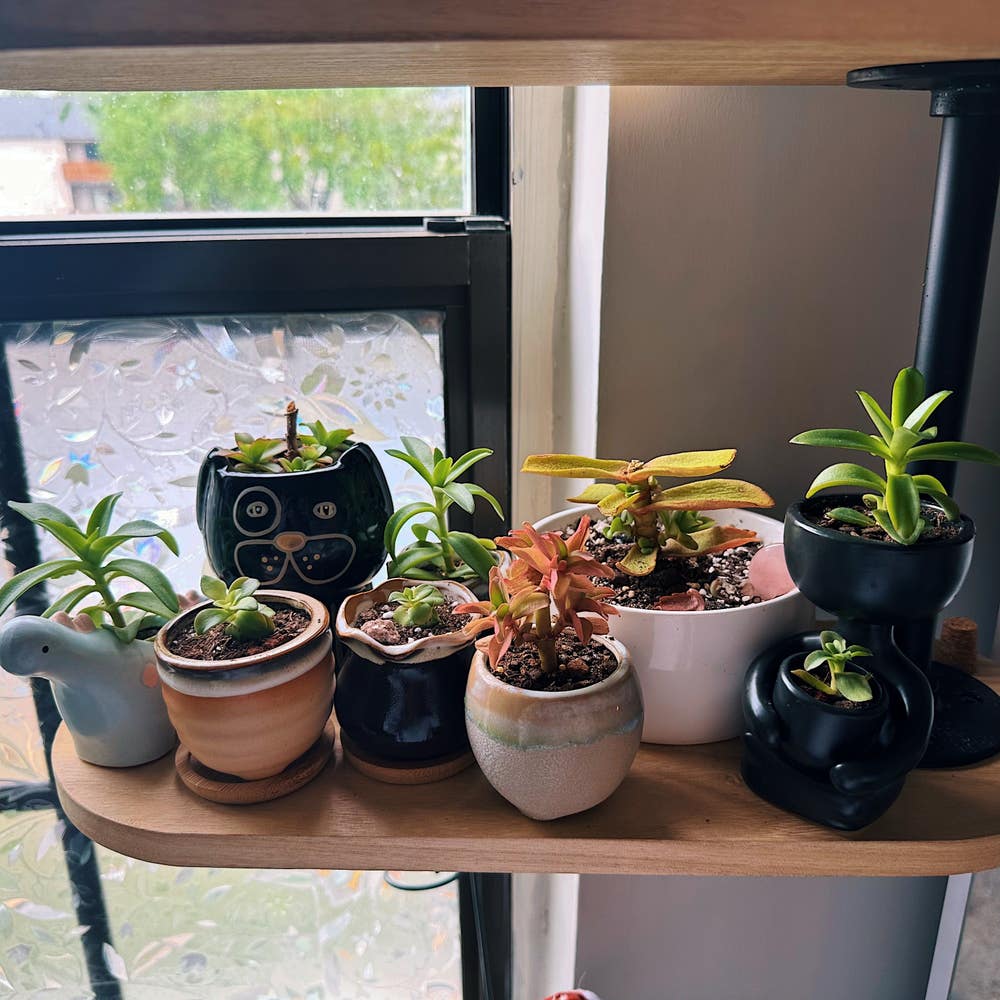
🌵 Ultimate Guide to Fertilizing Pagoda Village Succulent
Crassula capitella 'Campfire'
By the Greg Editorial Team
Oct 04, 2024•6 min read
This article was created with the help of AI so we can cover more plants for you. May contain errors. See one? Report it here.
- 🌱 Choose organic or synthetic fertilizers based on your Pagoda Village succulent's needs.
- 📅 Fertilize monthly during active growth in spring and summer for best results.
- ⚠️ Watch for over-fertilization signs like root burn to ensure plant health.
Types of Fertilizers Suitable for Pagoda Village Succulent
🌱 Organic vs. Synthetic Fertilizers
When it comes to fertilizing your Pagoda Village succulent, the choice between organic and synthetic fertilizers can significantly impact growth. Organic fertilizers, like compost or worm castings, enrich the soil naturally, promoting healthy microbial activity and improving soil structure.
On the other hand, synthetic fertilizers offer a quick nutrient boost, making them ideal for immediate results. Liquid fertilizers are particularly effective when your succulent shows signs of growth, providing essential nutrients directly to the roots.
⚖️ Recommended Nutrient Ratios
Understanding nutrient ratios is crucial for optimal growth. For Pagoda Village succulents, an ideal N-P-K ratio is typically around 2-1-2. This balanced ratio ensures your plant receives the right amount of nitrogen, phosphorus, and potassium for robust growth.
Several brands cater specifically to succulents, such as Miracle-Gro Succulent Plant Food and FoxFarm Grow Big. These options are formulated to meet the unique needs of your succulent, ensuring it thrives.
🧪 Fertilizer Formulations
Choosing the right fertilizer formulation can make a difference in your succulent's health. Granular fertilizers are easy to apply and provide a slow release of nutrients, but they may take longer to show results.
Liquid fertilizers, while fast-acting, require more frequent applications. Slow-release fertilizers are an excellent compromise, offering sustained nutrient supply without the hassle of constant reapplication.
With the right fertilizer in hand, your Pagoda Village succulent will flourish beautifully. Next, let’s explore the recommended fertilizer schedule to keep your plant thriving year-round.
Recommended Fertilizer Schedule
Timing of Fertilization 🌱
Fertilizing your Pagoda Village succulent during its active growth phase is crucial. This typically occurs in spring and summer when the plant is most vibrant and eager to absorb nutrients.
During the dormancy period, usually in fall and winter, it's best to pause fertilization. This allows the plant to rest and conserve energy, preventing unnecessary stress.
Frequency of Application 📅
When it comes to how often to fertilize, a monthly schedule is generally effective. However, you can switch to a bi-monthly routine if your plant seems to thrive on less.
Always adjust the frequency based on growth conditions. If your succulent is growing vigorously, it may benefit from more frequent feeding.
Seasonal Adjustments 🌦️
Environmental factors play a significant role in your fertilization schedule. Changes in light, temperature, and humidity can affect how well your plant absorbs nutrients.
Monitoring your plant's response to fertilization is essential. If you notice signs of stress or slow growth, be ready to modify your approach.
How to Apply Fertilizer Effectively
🌱 Application Methods
Applying fertilizer correctly can make all the difference for your Pagoda Village Succulent. For liquid fertilizers, dilute according to the package instructions and apply directly to the soil, avoiding the leaves to prevent burn.
Granular fertilizers require a different approach. Sprinkle the granules evenly around the base of the plant, then gently work them into the top layer of soil to ensure even distribution.
⚖️ Dosage Guidelines
When it comes to dosage, moderation is key. A general recommendation is to use about half the strength suggested on the fertilizer label, especially if you're new to fertilizing succulents.
Always follow the manufacturer’s instructions. Over-fertilizing can lead to more harm than good, so err on the side of caution.
💧 Watering After Fertilization
Timing your watering after fertilization is crucial. Water your succulent a few days after applying fertilizer to help the nutrients soak into the soil without overwhelming the plant.
Flushing the soil occasionally is beneficial. This helps prevent nutrient buildup, ensuring your Pagoda Village Succulent gets the right balance of nutrients without the risk of toxicity.
With these effective application techniques, your succulent will thrive and flourish. Next, let’s explore the signs of over-fertilization and how to avoid it.
Signs of Over-Fertilization and How to Avoid It
Symptoms of Over-Fertilization 🌱
Over-fertilization can wreak havoc on your Pagoda Village Succulent. One of the most noticeable signs is root burn, which manifests as brown, mushy roots that can lead to plant death if not addressed promptly.
Additionally, stunted growth and leaf discoloration are common indicators. Leaves may turn yellow or develop brown tips, signaling that your succulent is overwhelmed by excess nutrients.
Prevention Strategies 🚫
To prevent over-fertilization, start with soil testing before you apply any fertilizers. This step ensures you know the existing nutrient levels and can tailor your fertilization approach accordingly.
Gradually introduce fertilizers into your routine. Begin with half the recommended dosage and observe how your plant responds before increasing the amount.
Recovery from Over-Fertilization 🛠️
If you suspect over-fertilization has occurred, act quickly. Flush the soil with water to help leach out excess nutrients, but be careful not to overwater.
In severe cases, repotting in fresh soil may be necessary. This gives your succulent a clean slate and a better chance to recover from the nutrient overload.
By staying vigilant and responsive to your plant's needs, you can maintain a healthy balance and keep your Pagoda Village Succulent thriving. Next, let’s explore special considerations for fertilizing during different growth phases.
Special Considerations
Fertilizing During Dormancy vs. Active Growth 🌱
Pagoda Village Succulents have distinct nutrient needs depending on their growth phase. During active growth in spring and summer, they thrive on regular fertilization to support their vibrant growth.
In contrast, during dormancy in fall and winter, these plants require minimal nutrients. It's essential to reduce or pause fertilization during this period to prevent stress on the plant.
Environmental Factors Affecting Fertilization Needs 🌤️
Light, temperature, and humidity significantly influence how well your succulent absorbs nutrients. For instance, higher light levels can enhance nutrient uptake, while cooler temperatures may slow it down.
Seasonal changes also play a role. Adjust your fertilization schedule based on these environmental factors to ensure your Pagoda Village Succulent gets what it needs when it needs it.
Container vs. Ground Planting Fertilization Differences 🏺
Nutrient availability varies between container and ground planting. Container-grown succulents often require more frequent fertilization due to limited soil nutrients.
For ground-planted Pagoda Village Succulents, the natural soil can provide a more stable nutrient supply. However, it's still crucial to monitor their needs and adjust fertilizer types and frequencies accordingly.
Understanding these special considerations will help you tailor your fertilization approach, ensuring your succulents thrive in any environment. Now, let’s explore how to apply fertilizer effectively for optimal results.
⚠️ Safety First
This content is for general information and may contain errors, omissions, or outdated details. It is not medical, veterinary advice, or an endorsement of therapeutic claims.
Always consult a qualified healthcare professional before using any plant as food, medicine, or supplement.
Never eat any plant (or feed one to pets) without confirming its identity with at least two trusted sources.
If you suspect poisoning, call Poison Control (800) 222-1222, the Pet Poison Helpline (800) 213-6680, or your local emergency service immediately.
Spotted an error? Please report it here.
Boost your Pagoda Village succulent's growth with Greg's tailored fertilization tips 🌿, ensuring it thrives during active phases while steering clear of over-fertilization!