🌵 Why Your Pagoda Village Succulent Buds Won't Open
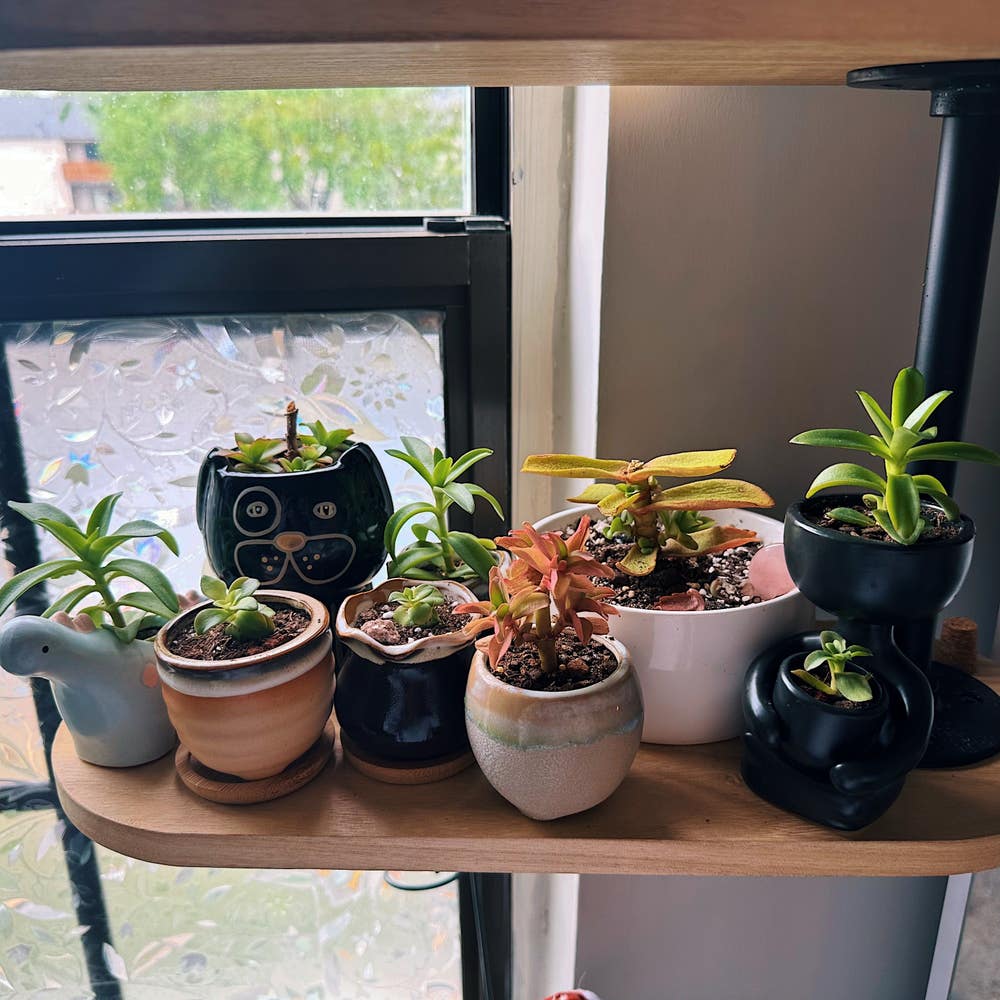
Crassula capitella 'Campfire'
By the Greg Editorial Team
Oct 04, 2024•5 min read
This article was created with the help of AI so we can cover more plants for you. May contain errors. See one? Report it here.
- 🌞 Pagoda Village succulents need 6-8 hours of sunlight daily for blooming success.
- 🌡️ Maintain 20°C to 30°C for optimal growth and flowering in your succulents.
- 🌿 Low humidity and proper nutrients are crucial for vibrant blooms and healthy plants.
Common Reasons for Failure to Bloom
💡 Insufficient Light Exposure
Bright light is crucial for your Pagoda Village succulents to bloom. Without it, you might notice elongated stems and pale leaves, clear signs that your plant is struggling.
To ensure healthy flowering, aim for 6-8 hours of direct sunlight daily. This light exposure helps your succulent thrive and encourages those beautiful buds to open.
🌡️ Environmental Stress
Temperature fluctuations can significantly impact blooming. Your succulents prefer a cozy range of 20°C to 30°C (68°F to 86°F) for optimal growth.
Humidity levels also play a role; low humidity is ideal, while high humidity can stifle blooming. Additionally, ensure your soil is well-draining to prevent root rot, which can further hinder flower development.
🌱 Nutritional Deficiencies
Key nutrients like phosphorus and potassium are vital for blooming. If your succulent shows stunted growth or poor flower development, it may be lacking these essential elements.
To combat this, follow a monthly fertilization schedule during the growing season. This will provide the necessary nutrients to help your succulent flourish and produce vibrant blooms.
As you address these common issues, your Pagoda Village succulents will be better equipped to bloom beautifully. Next, let’s explore factors that can lead to premature flower drop.
Factors Leading to Premature Flower Drop
💧 Watering Practices
Watering is crucial for your Pagoda Village succulents, but getting it right can be tricky. Overwatering can lead to yellowing leaves and mushy stems, while underwatering results in shriveled leaves and drooping flowers.
To maintain healthy blooms, allow the soil to dry out completely between waterings. This simple practice can make a significant difference in flower retention.
🌡️ Temperature Extremes
Temperature fluctuations can wreak havoc on your succulent's ability to hold onto its flowers. Cold drafts or sudden heat spikes can stress the plant, leading to premature flower drop.
Aim to maintain a stable environment, avoiding sudden changes in temperature. This consistency helps your succulent thrive and keeps those blooms intact.
🌱 Stress from Transplanting
Transplanting can be a double-edged sword for your succulents. While it may be necessary for growth, root disturbance can negatively impact flowering.
To minimize stress, practice minimal disturbance during transplanting and ensure proper acclimatization. This approach will help your succulent adjust and continue to bloom beautifully.
Understanding these factors can empower you to create the ideal conditions for your Pagoda Village succulents. With the right care, you can enjoy vibrant blooms and a thriving plant.
Abnormal Flower Development Causes
🌱 Genetic Factors
Different varieties of Pagoda Village Succulents can exhibit unique flowering patterns. Understanding these specific characteristics is crucial for nurturing your plant effectively.
🐛 Pest Infestation
Pests like mealybugs and aphids can significantly hinder flower development. Look for signs such as sticky residue on leaves or distorted flowers, which indicate an infestation.
Control Methods
To combat these pests, consider using neem oil or insecticidal soap. These treatments are effective and can help restore your succulent's health.
🦠 Disease Impact
Diseases such as root rot and fungal infections can severely affect blooming. Symptoms include wilting flowers and discoloration, signaling that your plant needs immediate attention.
Treatment Options
Improving drainage is essential to prevent root rot. Additionally, using fungicides can help manage fungal infections and promote healthier blooms.
Understanding these factors can empower you to take proactive steps in caring for your Pagoda Village Succulent. With the right knowledge, you can ensure vibrant and beautiful flowers.
Nutritional Needs for Flowering
🌸 Essential Nutrients for Blooming
To thrive and bloom, your Pagoda Village succulent needs three key nutrients: nitrogen, phosphorus, and potassium. Each plays a vital role in flower development, ensuring your plant remains vibrant and healthy.
- Nitrogen promotes lush, green foliage, essential for photosynthesis.
- Phosphorus supports root and flower growth, crucial for blooming.
- Potassium enhances overall plant health and resilience against stress.
🚨 Signs of Nutrient Deficiencies
Recognizing nutrient deficiencies early can save your succulent from stunted growth. Common visual indicators include yellowing leaves and poor flower formation.
For instance, if you notice dark green leaves, it might signal a phosphorus deficiency. This can hinder your plant's ability to produce beautiful blooms.
🌱 Recommended Fertilizers for Pagoda Village Succulent
Choosing the right fertilizer is key to encouraging flowering. Balanced NPK fertilizers and bloom boosters are excellent options.
Apply these fertilizers from early spring to late summer for optimal results. This timing aligns with your succulent's growing season, ensuring it gets the nutrients it needs when it needs them most.
Understanding and addressing your succulent's nutritional needs will pave the way for stunning blooms. Next, let’s explore how to manage pests and diseases that could threaten your plant's flowering potential.
Pest and Disease Management
🐛 Common Pests Affecting Flowering
Pests can wreak havoc on your Pagoda Village succulents, particularly during the blooming phase. The most notorious culprits include mealybugs, aphids, and spider mites.
Mealybugs are small, white, and cottony, often hiding in leaf joints. Aphids, on the other hand, are tiny and can be green, black, or brown, sucking sap from your plants. Spider mites are harder to spot but leave fine webbing on leaves.
These pests can cause significant damage, leading to flower distortion and reduced blooming potential. If you notice sticky residue or distorted flowers, it’s time to take action.
🦠 Identifying and Treating Diseases that Impact Blooms
Diseases can also hinder your succulent's ability to bloom beautifully. Root rot and powdery mildew are two common offenders.
Root rot typically occurs when the soil retains too much moisture, leading to wilting flowers and discoloration. Powdery mildew presents as a white, powdery substance on leaves, indicating poor air circulation.
To combat these issues, improve air circulation around your plants. Ensure your pots have adequate drainage and consider using fungicides to treat any infections.
By staying vigilant against pests and diseases, you can help your Pagoda Village succulents thrive and bloom to their full potential. Next, let’s explore the nutritional needs essential for flowering.
⚠️ Safety First
This content is for general information and may contain errors, omissions, or outdated details. It is not medical, veterinary advice, or an endorsement of therapeutic claims.
Always consult a qualified healthcare professional before using any plant as food, medicine, or supplement.
Never eat any plant (or feed one to pets) without confirming its identity with at least two trusted sources.
If you suspect poisoning, call Poison Control (800) 222-1222, the Pet Poison Helpline (800) 213-6680, or your local emergency service immediately.
Spotted an error? Please report it here.
Unlock vibrant blooms for your Pagoda Village succulents 🌼 by using Greg's tailored care reminders to master their light, temperature, and nutrient needs!