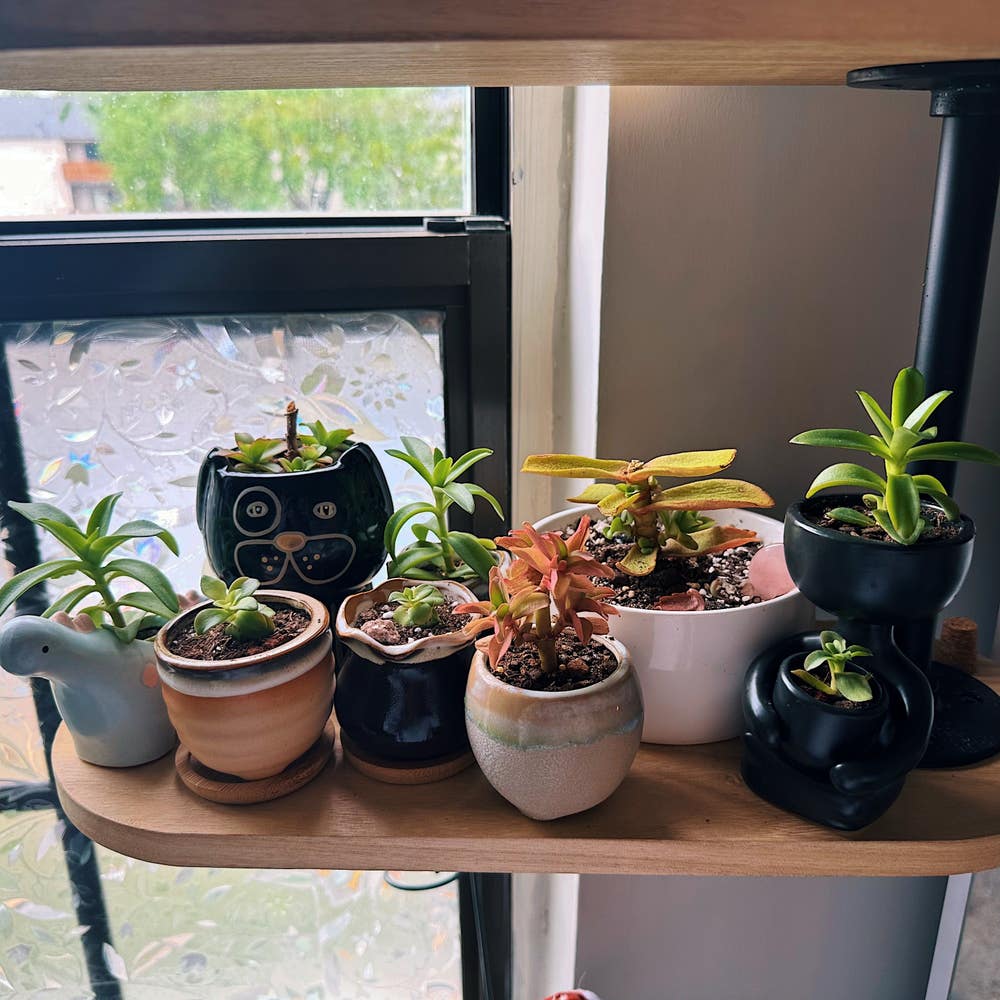
🌵 How to Fix Root Rot in Your Pagoda Village Succulent
Crassula capitella 'Campfire'
By the Greg Editorial Team
Oct 04, 2024•4 min read
This article was created with the help of AI so we can cover more plants for you. May contain errors. See one? Report it here.
- 🌱 Identify root rot early by checking for yellowing leaves and wilting.
- 🥴 Inspect roots for dark, mushy areas to confirm root rot presence.
- 🚫 Use sterilized scissors to remove affected roots and promote recovery.
Identifying Root Rot Symptoms
Visual Signs of Root Rot 🌱
Recognizing root rot early can save your Pagoda Village succulent from serious damage. Look for yellowing leaves, which often signal stress and nutrient deficiency.
Another red flag is wilting despite adequate watering. This indicates potential root damage, as the plant struggles to absorb moisture.
Finally, during your inspection, check for dark, mushy roots. This is a clear visual confirmation of rot and should prompt immediate action.
Root Inspection Techniques 🔍
To assess root health, start by gently removing the plant from its pot. This allows you to examine the roots closely without causing further stress.
Next, check for foul odors. A rotten smell is a strong indicator of decay and rot, signaling that something is seriously wrong.
Lastly, observe the root color. Healthy roots should be white or light tan. If you see dark or mushy roots, it’s time to take action.
By identifying these symptoms and employing effective inspection techniques, you can tackle root rot before it becomes a bigger issue. Now, let’s move on to how to treat root rot effectively.
Treating Root Rot
🕵️♂️ Step-by-Step Guide to Diagnosing Root Rot
Diagnosing root rot starts with a close inspection of your succulent's leaves. Look for yellowing or wilting, which can signal stress and nutrient deficiency.
Next, gently remove the plant from its pot to examine the roots. This step is crucial for identifying any dark, mushy roots that indicate rot.
✂️ How to Remove Affected Roots
Once you've confirmed root rot, it's time to act. Use sterilized scissors to cut away the rotten sections, ensuring you make clean cuts.
Trim back to healthy tissue to promote recovery. Discard the affected roots immediately to prevent the spread of decay.
🧪 Recommended Treatments
After addressing the roots, consider applying fungicides. These can effectively combat fungal infections that contribute to root rot.
Additionally, soil amendments like perlite or sand can enhance drainage. Allowing the plant to dry out before replanting is also essential for reducing moisture levels.
By following these steps, you can help your Pagoda Village succulent bounce back from root rot. Next, let’s explore how to prevent future occurrences and keep your plant thriving.
Preventing Future Root Rot
🌱 Best Soil Types for Pagoda Village Succulent
To keep your Pagoda Village succulent thriving, start with the right soil. Cactus soil is a fantastic choice; it's specifically designed to drain well, preventing excess moisture that can lead to root rot.
You might also consider custom mixes. Combining potting soil with perlite or sand enhances drainage, giving your plant the best chance to flourish.
💧 Watering Schedule and Techniques
Watering is crucial in preventing root rot. Always allow the soil to dry completely between waterings to avoid soggy conditions.
Adopt the soak and dry method for even moisture distribution. This technique ensures your succulent gets the hydration it needs without the risk of waterlogging.
🪴 Importance of Pot Drainage
Choosing pots with drainage holes is essential for your succulent's health. These holes prevent water accumulation, which is a primary cause of root rot.
Additionally, consider elevating your pots using pot feet. This simple step improves airflow and drainage, further protecting your plant from excess moisture.
By implementing these preventive measures, you can significantly reduce the risk of root rot in your Pagoda Village succulent. Next, let’s explore effective repotting techniques to ensure your plant continues to thrive.
Repotting Techniques
When to Repot 🌱
Repotting your Pagoda Village succulent is crucial when you notice signs of root-bound conditions or after treating root rot. The best time to do this is early spring, aligning with the plant's active growing season.
How to Repot a Pagoda Village Succulent 🌿
- Prepare a new pot: Choose one with drainage holes and fill it with fresh, well-draining soil.
- Remove the plant: Gently take the succulent out of its old pot, being careful not to damage the roots.
- Trim damaged roots: Use sterilized scissors to cut away any unhealthy roots before placing the plant in the new pot.
- Fill around the roots: Add fresh soil around the roots, ensuring the plant is stable and secure.
Repotting not only revitalizes your succulent but also gives it a fresh start. This process can significantly enhance its health and growth potential, setting the stage for a thriving plant.
⚠️ Safety First
This content is for general information and may contain errors, omissions, or outdated details. It is not medical, veterinary advice, or an endorsement of therapeutic claims.
Always consult a qualified healthcare professional before using any plant as food, medicine, or supplement.
Never eat any plant (or feed one to pets) without confirming its identity with at least two trusted sources.
If you suspect poisoning, call Poison Control (800) 222-1222, the Pet Poison Helpline (800) 213-6680, or your local emergency service immediately.
Spotted an error? Please report it here.
Revive your Pagoda Village succulent from root rot with swift action 🚀, and let Greg guide you with tailored care reminders to keep your plants thriving and healthy!