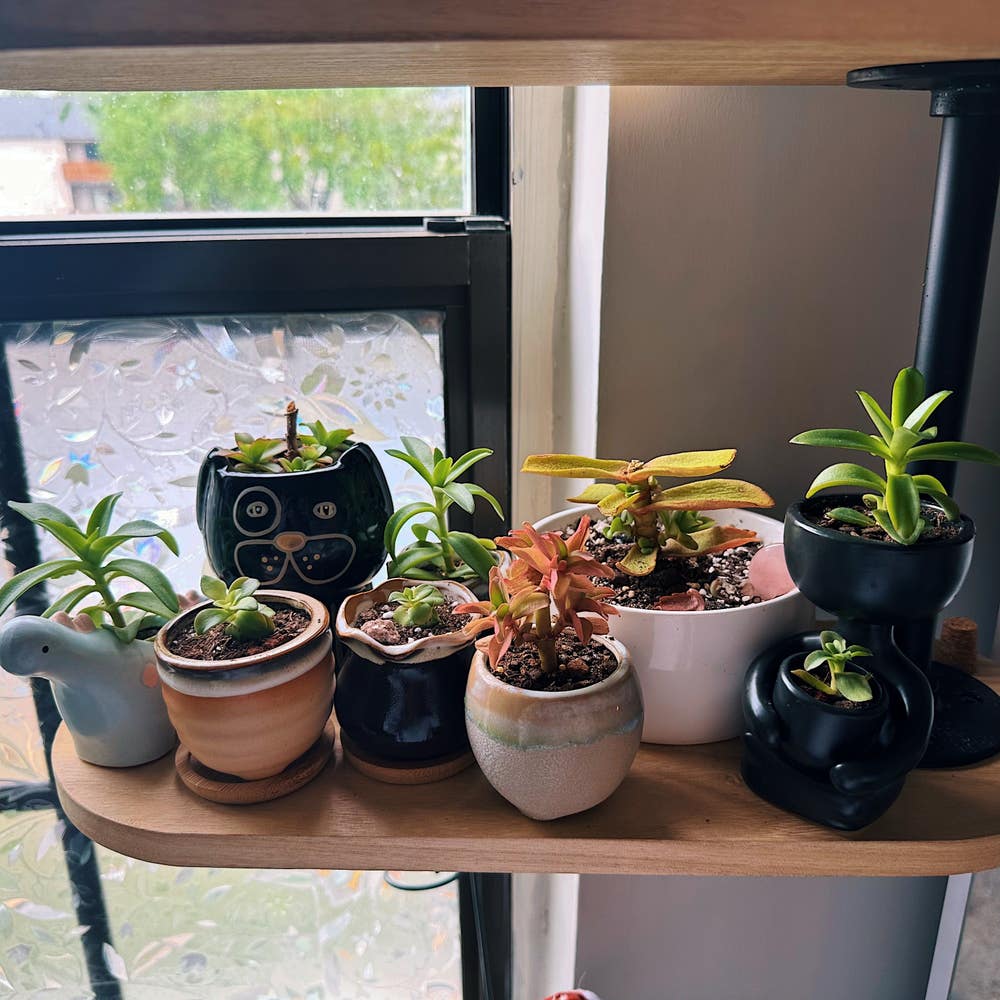
🌵 4 Secrets to Thriving Indoor Pagoda Village Succulent
Crassula capitella 'Campfire'
By the Greg Editorial Team
Oct 04, 2024•6 min read
This article was created with the help of AI so we can cover more plants for you. May contain errors. See one? Report it here.
- 🌞 Pagoda Village succulents need 6-8 hours of bright, indirect sunlight daily.
- 💧 Water every 2-3 weeks, ensuring soil dries out completely between waterings.
- 🌱 Use well-draining soil and fertilize every 4-6 weeks for optimal growth.
Light Requirements
Ideal Light Conditions for Indoor Growth 🌞
To keep your Pagoda Village succulent thriving, aim for 6-8 hours of bright, indirect sunlight each day. Use a light meter to check indoor light levels, targeting an intensity of 200-400 µmol/m²/s for optimal growth.
Signs that your succulent isn’t getting enough light include stretching or leggy growth and pale leaves. If you notice these symptoms, it’s time to reassess its light exposure.
Role of Grow Lights and How to Choose the Best One 💡
Grow lights can be a game-changer, especially during winter months or in low-light conditions. They supplement natural light, ensuring your succulent gets the brightness it craves.
When choosing a grow light, consider the options: LED lights are energy-efficient and long-lasting compared to fluorescent ones. For Pagoda Village, full-spectrum LED grow lights are ideal, as they provide the necessary spectrum for healthy growth.
Placement matters too! Position your grow lights 12-24 inches above the plant, adjusting the height based on how your succulent responds. This way, you can ensure it receives just the right amount of light without burning the leaves.
With the right light conditions, your Pagoda Village succulent will flourish, setting the stage for its watering needs next.
Watering Needs
🌊 Frequency and Method of Watering
For your Pagoda Village succulent, establishing a consistent watering schedule is key. Allow the soil to dry out completely between waterings, which typically means watering every 2-3 weeks.
When it comes to the watering method, the soak and dry approach works wonders. Water thoroughly until it drains from the bottom, ensuring the roots get the moisture they crave without sitting in excess water.
🚨 Signs of Overwatering and Underwatering
Recognizing the signs of overwatering is crucial for your plant's health. Look out for yellowing leaves, mushy stems, and root rot—these are clear indicators that you might be giving your succulent too much love.
On the flip side, underwatering can lead to wrinkled leaves, dry tips, and stunted growth. Adjust your watering frequency based on seasonal changes and your indoor climate to keep your succulent thriving.
With these watering tips, your Pagoda Village succulent will be well on its way to flourishing. Next, let’s explore the optimal humidity and temperature conditions that will further enhance its growth.
Humidity and Temperature
🌫️ Optimal Humidity Levels for Indoor Growth
Maintaining the right humidity is crucial for your Pagoda Village succulents. Aim for a relative humidity of 30-50% to keep them thriving.
To monitor humidity levels effectively, use a hygrometer. If your indoor environment is too humid, consider investing in a dehumidifier to create a more suitable atmosphere.
🌡️ Temperature Range for Thriving Succulents
For optimal growth, keep your succulents in a temperature range of 20°C to 30°C (68°F to 86°F) during the day. At night, slightly cooler temperatures are beneficial.
Be mindful of temperature extremes. Protect your plants from frost and avoid placing them near heat sources like radiators to ensure they stay healthy and vibrant.
With the right humidity and temperature, your indoor Pagoda Village succulents will flourish, setting the stage for the next crucial aspect of their care: soil and fertilization.
Soil and Fertilization
🌱 Soil Type
For your Pagoda Village succulent, the right soil mix is crucial. A well-draining succulent or cactus mix works wonders, but you can also create a DIY blend using potting soil, sand, and perlite in a 2:1:1 ratio.
Good drainage is essential. Always ensure your pots have drainage holes to prevent water from accumulating, which can lead to root rot.
🌿 Fertilization
When it comes to fertilization, a diluted, balanced liquid fertilizer with an NPK ratio of 10-10-10 is recommended during the growing season.
Feed your succulent every 4-6 weeks from spring to early fall, but remember to avoid fertilizing in winter when the plant is dormant.
With the right soil and fertilization practices, your indoor Pagoda Village succulent will thrive beautifully. Next, let’s explore how to tackle common issues that may arise in your succulent care journey.
Common Issues and Solutions
🐞 Pest Prevention
Common Pests Affecting Indoor Succulents
Indoor succulents can fall victim to pests like mealybugs, aphids, and spider mites. Look out for signs of infestation such as sticky residue, webbing, or visible insects clinging to leaves.
Prevention and Treatment Methods
Regular inspections are key. Check the undersides of leaves and the soil for any unwanted guests.
For treatment, consider using neem oil or insecticidal soap. You can also introduce beneficial insects like ladybugs, which can help keep pest populations in check.
⚠️ Other Common Problems
Leaf Drop, Discoloration, and Other Signs of Distress
Leaf drop is often a sign of overwatering or sudden temperature changes. Discoloration, particularly yellowing leaves, may indicate nutrient deficiencies or inadequate light conditions.
Solutions for Common Indoor Growing Issues
Adjust your care routines based on what you observe. If you notice distress signals, tweak your watering schedule or light exposure to better suit your succulent's needs.
Implement preventive measures like proper watering and pest control to keep your indoor garden thriving. With a little attention, your Pagoda Village succulents can flourish beautifully.
Placement and Maintenance
🌍 Best Placement in the Home
Ideal Locations for Light and Temperature
For your Pagoda Village succulent, the best spots are south or west-facing windows. These locations provide ample light without the risk of scorching your plant.
Avoid placing your succulent near drafts, such as air conditioning vents or open windows. This helps maintain a stable environment, crucial for healthy growth.
Avoiding Drafts and Direct Heat Sources
To keep your succulent thriving, use curtains or blinds to filter harsh sunlight. This simple step can prevent temperature fluctuations that stress your plant.
✨ Maintaining Appearance
Pruning and Grooming Tips
Regularly removing dead or damaged leaves is essential for promoting healthy growth. This not only enhances appearance but also prevents disease.
When pruning, always use clean, sharp scissors. This minimizes the risk of introducing pathogens that could harm your succulent.
How to Propagate
Propagation is a rewarding way to expand your succulent collection. You can use leaf cuttings or offsets for this process.
- Select healthy leaves or offsets.
- Allow cut ends to callous for 1-2 days.
- Plant in well-draining soil and water sparingly until roots develop.
With these tips, your Pagoda Village succulent will not only thrive but also look stunning in your home. Now, let’s explore common issues and solutions to keep your plant in top shape.
⚠️ Safety First
This content is for general information and may contain errors, omissions, or outdated details. It is not medical, veterinary advice, or an endorsement of therapeutic claims.
Always consult a qualified healthcare professional before using any plant as food, medicine, or supplement.
Never eat any plant (or feed one to pets) without confirming its identity with at least two trusted sources.
If you suspect poisoning, call Poison Control (800) 222-1222, the Pet Poison Helpline (800) 213-6680, or your local emergency service immediately.
Spotted an error? Please report it here.
Transform your indoor space into a succulent paradise 🌵 with Greg's tailored care reminders and light monitoring, ensuring your Pagoda Village succulents thrive beautifully!