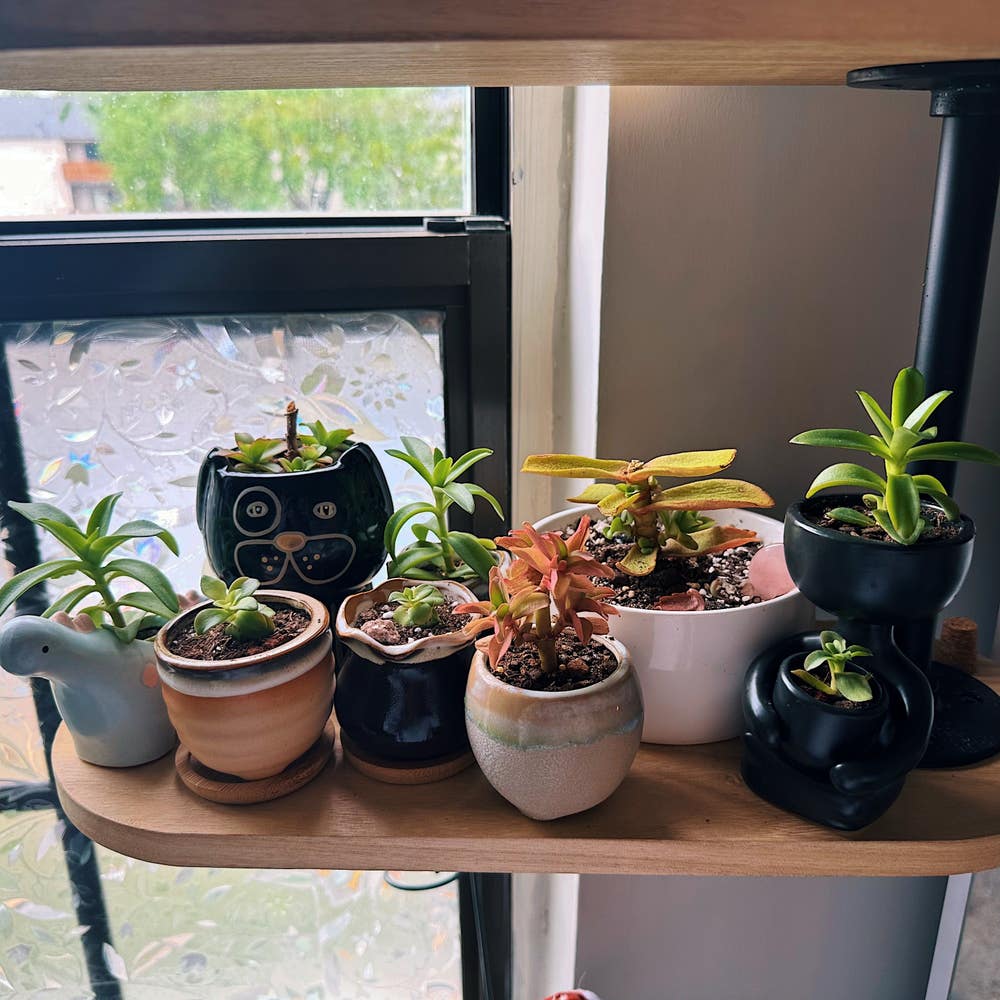
🏯 8 Tips for How to Plant Your Pagoda Village Succulent
Crassula capitella 'Campfire'
By the Greg Editorial Team
Oct 04, 2024•5 min read
This article was created with the help of AI so we can cover more plants for you. May contain errors. See one? Report it here.
- 🌱 Proper planting techniques ensure healthy growth and vibrant foliage for Pagoda Village succulents.
- 🌞 Plant in spring for optimal growth, ensuring 6-8 hours of sunlight daily.
- 💧 Avoid overwatering and poor soil to prevent root rot and transplant shock.
Importance of Proper Planting Techniques
Proper planting techniques are crucial for the growth and longevity of your Pagoda Village succulents. When done right, these methods ensure that your plants establish themselves healthily, thriving for years to come.
🌱 Impact on Growth
Using the correct techniques can significantly influence how well your succulents grow. Healthy planting leads to robust root systems, vibrant foliage, and an overall resilient plant.
❌ Common Mistakes
Novice gardeners often make frequent errors that can hinder their plants' success. Overwatering, poor soil choice, and inadequate spacing are just a few pitfalls to avoid for a flourishing garden.
By understanding the importance of proper planting techniques, you set the stage for a thriving succulent collection. Next, let’s explore the optimal timing for planting your succulents to maximize their growth potential.
Planting New Succulent
Optimal Timing for Planting 🌱
Choosing the right time to plant your succulent is crucial. The best seasons are spring and early summer, when temperatures are mild and conducive to growth.
Consider your local climate as well. Adjust your planting schedule based on regional weather patterns to ensure optimal conditions for your new succulent.
Selecting the Right Soil Mix and Containers 🪴
The right soil mix is essential for your succulent's health. A well-draining cactus or succulent soil is highly recommended to prevent root rot.
For containers, terracotta pots are a fantastic choice due to their breathability. Ensure the pot size matches the plant's size to allow for proper growth.
Proper Depth and Spacing for Planting 📏
When planting, ensure the base of the plant is level with the soil surface. This helps the plant establish itself effectively.
Spacing is equally important; keep your succulents 6-12 inches apart. This allows for adequate airflow and room for growth.
Maintaining Ideal Growing Conditions ☀️
Your succulent thrives in full sun exposure, ideally receiving 6-8 hours of sunlight daily. This is key to promoting healthy growth.
Watering should be done with care; allow the soil to dry out completely between waterings. The ideal temperature range for your succulent is between 20°C to 30°C (68°F to 86°F).
Hardening Off Process Before Outdoor Planting 🌳
Before moving your succulent outdoors, it's vital to acclimate it gradually. This hardening off process helps the plant adjust to new conditions.
Start by keeping it indoors for 1-2 weeks. Gradually increase outdoor exposure by 1-2 hours daily, and keep an eye out for any signs of stress.
Transitioning to the next section, understanding how to transplant established succulents will further enhance your gardening skills.
Transplanting Established Succulent
🌱 Optimal Timing for Transplanting
Transplanting your established succulent is best done in early spring or fall. During these seasons, the plant is not actively growing, which minimizes stress.
Avoid transplanting during extreme weather conditions, whether it's sweltering heat or freezing cold. This ensures a smoother transition for your plant.
🛠️ Step-by-Step Instructions for Transplanting
Removing the Plant from Its Current Location
- Water the plant a day before transplanting to reduce stress on the roots.
- Use a trowel to gently loosen the soil around the roots.
- Carefully lift the plant, ensuring you keep as much soil around the roots as possible.
Preparing the New Planting Site
- Select a well-draining location that receives full sun.
- Amend the soil with sand or perlite to enhance drainage.
- Dig a hole that is twice the size of the root ball for ample space.
Ensuring Proper Placement and Spacing
Position the plant in the center of the hole, making sure the top of the root ball is level with the soil surface. Maintain a spacing of 6-12 inches from other plants to allow for airflow.
💧 Tips for Watering, Mulching, and Providing Support
After transplanting, lightly water the plant to help settle the soil around the roots.
Consider using gravel or small stones as mulch to retain moisture and suppress weeds.
If you have taller varieties, use stakes for support until they establish themselves.
Transplanting can be a rewarding experience, setting your succulent up for a thriving future. With the right timing and care, your plant will flourish in its new home.
Troubleshooting Common Issues
🌱 Identifying Transplant Shock
Transplant shock can be a real bummer for your succulents. Look out for symptoms like wilting, yellowing leaves, and stunted growth, which indicate your plant is struggling.
The primary causes of transplant shock include root disturbance and sudden environmental changes. If you’ve recently moved your succulent, it might need some time to adjust.
🛠️ Solutions for Establishment Problems
To help your succulent bounce back, start with watering adjustments. Make sure the soil is moist but not soggy; overwatering can lead to root rot.
Regular monitoring is also crucial. Keep an eye out for pests or diseases that could hinder your plant's recovery.
🌼 General Care Tips for Newly Planted or Transplanted Succulents
Patience is key when caring for newly planted succulents. Give them time to acclimate to their new environment.
Regular observation can make a big difference. Look for signs of stress or health issues, and be ready to adjust your care practices based on how your plant responds.
With these tips, your succulents can thrive in their new home, setting the stage for a flourishing garden. Next, let’s explore how to ensure your plants are well-supported during their growth journey.
⚠️ Safety First
This content is for general information and may contain errors, omissions, or outdated details. It is not medical, veterinary advice, or an endorsement of therapeutic claims.
Always consult a qualified healthcare professional before using any plant as food, medicine, or supplement.
Never eat any plant (or feed one to pets) without confirming its identity with at least two trusted sources.
If you suspect poisoning, call Poison Control (800) 222-1222, the Pet Poison Helpline (800) 213-6680, or your local emergency service immediately.
Spotted an error? Please report it here.
Ensure your Pagoda Village succulents thrive with expert care tips 🌵 from Greg, who will provide personalized reminders to help you avoid common pitfalls and achieve vibrant growth!