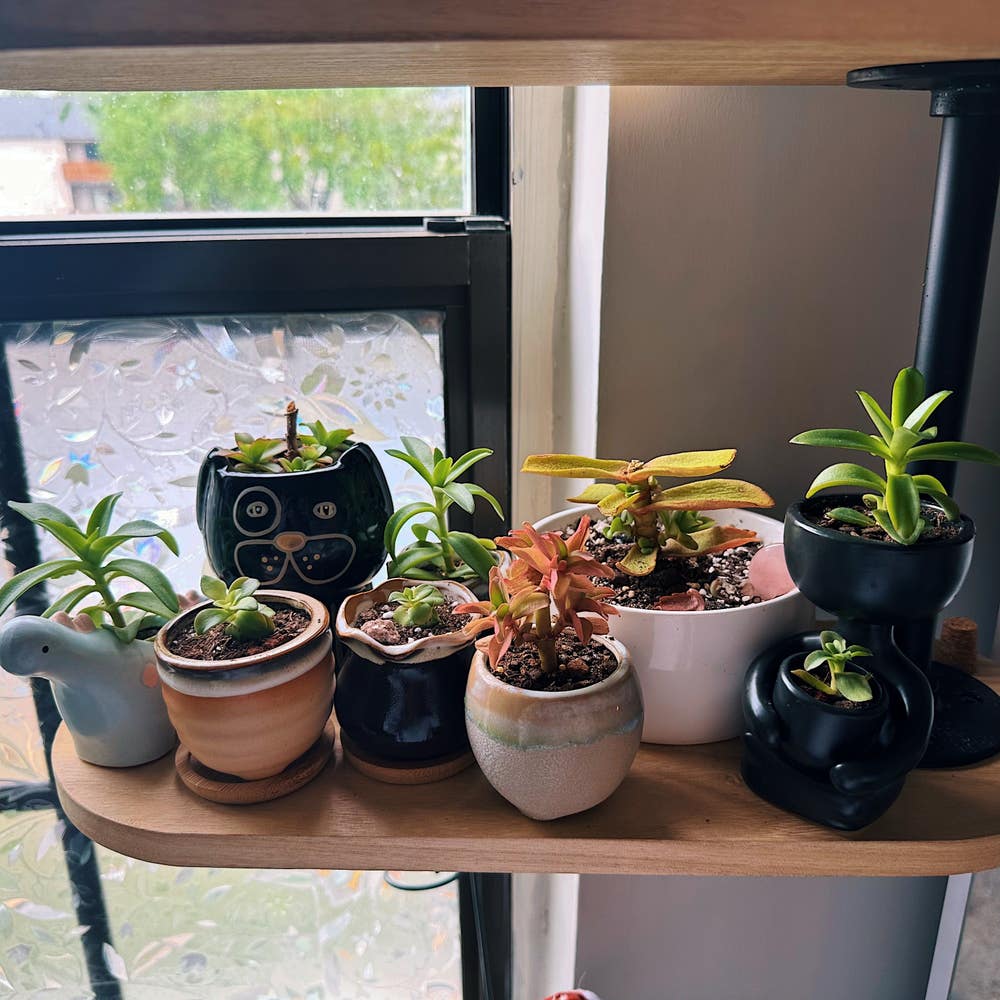
Pagoda Village Succulent: Not an Invasive Plant 🌵
Crassula capitella 'Campfire'
By the Greg Editorial Team
Oct 04, 2024•6 min read
This article was created with the help of AI so we can cover more plants for you. May contain errors. See one? Report it here.
- 🌱 Pagoda Village Succulent is non-invasive, making it safe for your garden.
- 🌞 Thrives in full sun and requires minimal water, perfect for drought-tolerant gardens.
- 🐝 Supports local biodiversity by attracting pollinators and enhancing soil health.
Plant Classification
Definition of Invasive Species 🌱
Invasive species are plants that exhibit rapid growth and spread, often outcompeting native flora. They can disrupt local ecosystems, leading to negative impacts on biodiversity and soil health.
Characteristics of Pagoda Village Succulent 🌵
The Pagoda Village Succulent stands out for its low water requirements and limited spread. Its unique rosette shape and vibrant colors make it a visually appealing choice for any garden.
Reasons for Non-Invasive Classification 🌼
This succulent has a limited spread potential, making it manageable in garden settings. It thrives in specific environmental conditions, which reduces competition with native plants and allows it to attract pollinators and beneficial insects, enhancing local biodiversity.
Incorporating the Pagoda Village Succulent into your garden not only beautifies the space but also supports a healthier ecosystem. Its non-invasive nature makes it a smart choice for sustainable gardening.
Growth Habits
Typical Growth Patterns in Gardens 🌱
Pagoda Village Succulent showcases a compact growth form, typically reaching heights of 6 to 12 inches. It thrives during spring and summer, entering dormancy in the cooler fall and winter months.
Natural Limits to Growth and Spread Potential 🌍
This succulent has a limited spread, generally extending only a few feet, making it easy to manage in garden settings. It flourishes in well-drained soils and requires full sun exposure to thrive.
Environmental Conditions for Optimal Growth 🌿
For optimal growth, Pagoda Village Succulent prefers sandy or rocky soils that drain well. Its low watering needs contribute to its drought tolerance, making it an excellent choice for water-wise gardens.
Light Requirements ☀️
This plant thrives best in full sun, needing 6 to 8 hours of sunlight daily. Such conditions not only promote healthy growth but also enhance its vibrant colors, adding visual appeal to any garden.
Incorporating Pagoda Village Succulent into your garden design can lead to a flourishing ecosystem. Next, let’s explore its ecological role and benefits to local environments.
Ecological Role
🌱 Benefits to Local Ecosystems
The Pagoda Village Succulent plays a vital role in enhancing soil health. Its robust root systems help prevent erosion, stabilizing the soil and promoting a healthier environment.
Additionally, this succulent contributes to biodiversity by providing habitat for various organisms. Its presence supports a thriving ecosystem, making gardens more vibrant and alive.
🦋 Positive Interactions with Wildlife
One of the standout features of the Pagoda Village Succulent is its ability to attract pollinators. Bees and butterflies are drawn to its unique structure and vibrant colors, making it a favorite in any garden.
Moreover, it serves as a food source for beneficial insects. This interaction not only supports wildlife but also enhances the overall health of the garden.
🌍 Role in Soil Health and Biodiversity
The succulent improves soil structure and nutrient cycling. Its growth patterns help maintain a balanced ecosystem, ensuring that nutrients are effectively recycled.
By supporting a diverse range of plant and animal life, the Pagoda Village Succulent fosters a rich garden environment. This diversity is crucial for resilience against pests and diseases, making it an excellent choice for sustainable gardening.
Incorporating the Pagoda Village Succulent into your garden not only beautifies your space but also contributes positively to the local ecosystem. Next, we’ll explore how to effectively manage this plant in your garden design.
Garden Management
Incorporating Pagoda Village Succulent into Garden Designs 🌵
Pagoda Village Succulents are versatile and can enhance various garden designs. Consider using them in rock gardens, borders, or as attractive ground cover.
Pairing them with other drought-tolerant plants creates a harmonious and low-maintenance landscape. This not only conserves water but also adds visual interest.
Aesthetic Considerations for Growth Control ✂️
To maintain their appealing shape, regular pruning is essential. This helps prevent overcrowding and keeps your garden looking tidy.
Spacing is crucial as well; plant your succulents at least 12 inches apart. This allows for adequate air circulation, promoting healthy growth.
Maintenance Tips for Healthy Growth 💧
Establishing a proper watering schedule is key. Allow the soil to dry out completely between waterings to prevent root rot.
Fertilization should be minimal. Use a diluted succulent fertilizer during the growing season to support healthy development without overwhelming the plant.
Incorporating Pagoda Village Succulents into your garden not only beautifies the space but also fosters a thriving ecosystem. Their low-maintenance nature makes them an excellent choice for both novice and experienced gardeners.
Comparison to Other Plants
🌵 Similar Non-Invasive Succulents
When considering non-invasive succulents, Echeveria, Sedum, and Haworthia stand out. These plants share key traits: they thrive on minimal water, maintain a compact growth form, and boast striking visual appeal.
🎨 Unique Qualities of Pagoda Village Succulent
What sets the Pagoda Village Succulent apart is its distinct rosette shape and vibrant colors. Additionally, it has specific adaptations that allow it to flourish in arid environments, making it a resilient choice for gardens.
🌿 Benefits of Choosing Pagoda Village Succulent Over Other Plants
Opting for the Pagoda Village Succulent means embracing a non-invasive plant that’s easy to manage. Its ability to attract beneficial wildlife not only enhances your garden's health but also contributes positively to the local ecosystem.
Incorporating this unique succulent into your garden design can create a stunning visual impact while supporting biodiversity. As you explore your options, consider how the Pagoda Village Succulent can elevate your gardening experience.
Legal and Environmental Considerations
🌱 Relevant Classifications and Guidelines
When planting non-invasive species like the Pagoda Village Succulent, it's essential to be aware of local regulations. Many areas have guidelines that promote the use of native and non-invasive plants to protect local ecosystems.
Selecting the right plants not only supports biodiversity but also aligns with sustainable gardening practices. This approach helps ensure that your garden contributes positively to the environment.
♻️ Sustainable Gardening Practices
Incorporating low-water plants such as the Pagoda Village Succulent is a smart way to conserve water. These plants thrive with minimal irrigation, making them ideal for drought-prone regions.
Additionally, promoting biodiversity by including wildlife-friendly plants can create a vibrant ecosystem in your garden. This not only attracts beneficial insects but also supports a healthy balance of local wildlife.
🌍 Environmental Impact of Planting Pagoda Village Succulent
Planting the Pagoda Village Succulent can have a positive impact on local ecosystems. Its presence enhances soil health and provides habitat for various organisms.
Moreover, by choosing non-invasive species, you help mitigate the spread of invasive plants. This careful selection fosters a more sustainable gardening environment, benefiting both your garden and the surrounding area.
As you consider these legal and environmental aspects, you’ll find that planting Pagoda Village Succulent is not just a choice for aesthetics, but a commitment to ecological responsibility. Next, let’s explore how to effectively incorporate this stunning succulent into your garden design.
⚠️ Safety First
This content is for general information and may contain errors, omissions, or outdated details. It is not medical, veterinary advice, or an endorsement of therapeutic claims.
Always consult a qualified healthcare professional before using any plant as food, medicine, or supplement.
Never eat any plant (or feed one to pets) without confirming its identity with at least two trusted sources.
If you suspect poisoning, call Poison Control (800) 222-1222, the Pet Poison Helpline (800) 213-6680, or your local emergency service immediately.
Spotted an error? Please report it here.
Enhance your garden's beauty and support local ecosystems 🌱 with the non-invasive Pagoda Village Succulent, and let Greg guide you with tailored care reminders for thriving plants!