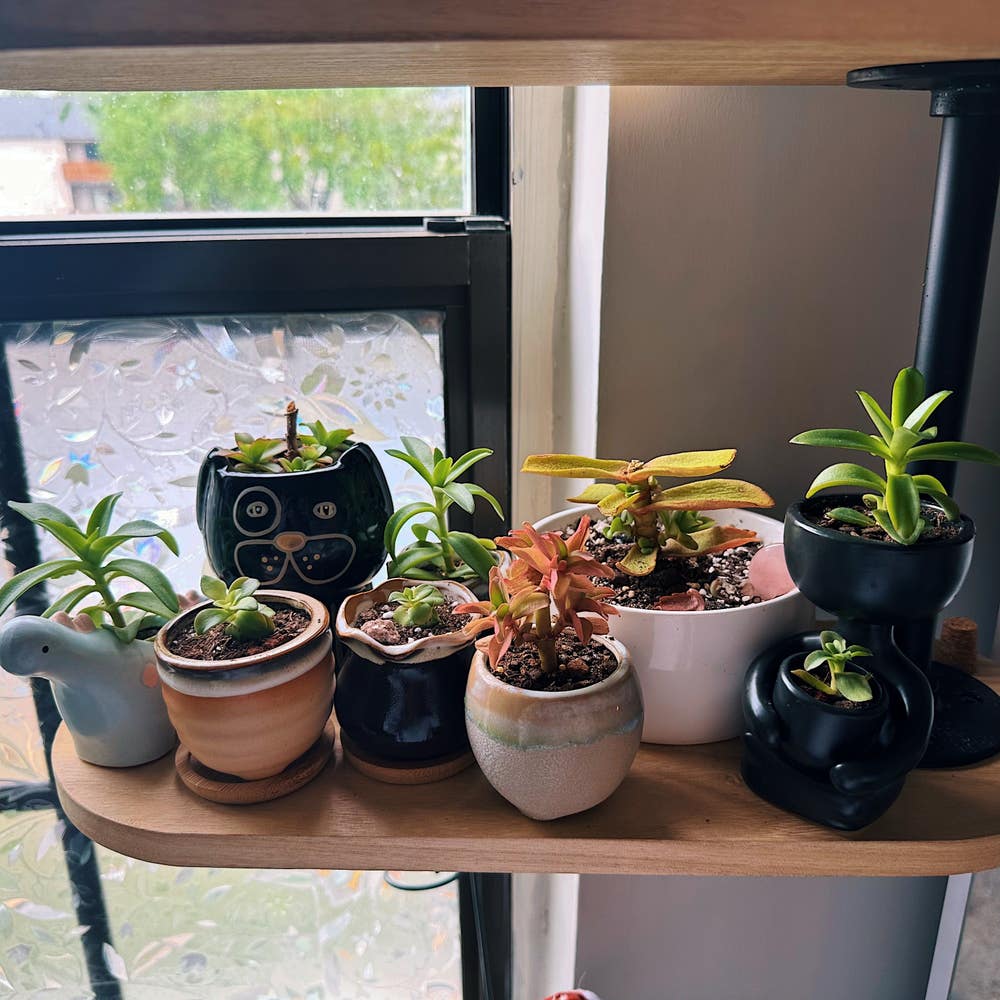
5 Facts About Pagoda Village Succulent Lifecycle 🌵
Crassula capitella 'Campfire'
By the Greg Editorial Team
Oct 04, 2024•5 min read
This article was created with the help of AI so we can cover more plants for you. May contain errors. See one? Report it here.
- 🌱 Germination takes 2-4 weeks; optimal conditions are 20-25°C and sandy soil.
- 🌞 Seedlings need bright, indirect sunlight and dry soil between waterings for healthy growth.
- 🌼 Flowering lasts 2-4 weeks, crucial for pollination and seed production in succulents.
Germination Stage
Duration of Germination 🌱
The germination period for Pagoda Village succulents typically spans 2 to 4 weeks. Various factors, such as temperature and moisture, can influence this timeframe.
Conditions for Successful Germination 🌡️
For optimal germination, maintain a temperature range of 20°C to 25°C (68°F to 77°F).
- Soil Requirements: Use well-draining, sandy soil to prevent waterlogging.
- Moisture Levels: Keep moisture consistent but avoid overly wet conditions.
Notable Changes During Germination 👀
During germination, you'll first notice the emergence of cotyledons, which are the plant's initial leaves.
As the roots develop, they play a crucial role in nutrient uptake, setting the foundation for healthy growth.
This stage is vital for the future health of your succulent, so ensure you provide the right conditions for success.
With the germination stage complete, your succulent is ready to transition into the seedling stage, where it will continue to flourish.
Seedling Stage
Duration of the Seedling Stage 🌱
The seedling stage typically lasts between 4 to 8 weeks. This period is crucial for establishing a strong foundation for future growth.
Characteristics of Seedlings 🌿
Seedlings are characterized by their small, fleshy leaves that are often plump and vibrant. You'll notice a range of color variations, from deep green to light green hues, indicating their health and vitality.
Care Requirements During This Stage 🧑🌾
Providing the right care is essential for thriving seedlings.
Light Exposure
Aim for bright, indirect sunlight to promote healthy growth without scorching the delicate leaves.
Watering Frequency
Allow the soil to dry out between waterings. This helps prevent overwatering, which can lead to root rot.
Fertilization
During this stage, light feeding with diluted succulent fertilizer can give your seedlings a boost. This ensures they receive the necessary nutrients without overwhelming them.
As your seedlings flourish, they will set the stage for the next exciting phase of their lifecycle. Stay tuned for the vegetative growth stage, where the real transformation begins!
Vegetative Growth Stage
🌱 Duration of Vegetative Growth
The vegetative growth stage typically lasts between 6 months to 1 year. This period is crucial for establishing a strong foundation for the plant's future development.
📈 Growth Patterns and Changes
During this stage, you'll notice significant leaf development. Leaves will thicken and elongate, showcasing the plant's resilience and adaptability.
Branching
New growth points will begin to form, leading to branching. This branching is essential for creating a fuller, more robust plant.
🌍 Factors Influencing Vegetative Growth
Several factors can influence how well your succulent thrives during this stage.
Environmental Factors
Light, temperature, and humidity play pivotal roles. Ensure your plant receives adequate bright light while maintaining a comfortable temperature range.
Soil Quality
Nutrient availability and drainage are vital for healthy growth. Use well-draining soil to prevent root rot and promote nutrient uptake.
💧 Watering Practices
Watering practices significantly impact growth rate and overall health. Allow the soil to dry out between waterings to mimic the plant's natural habitat.
Understanding these aspects of the vegetative growth stage will help you nurture your Pagoda Village succulent effectively. As your plant flourishes, you'll be well-prepared for the exciting transition into the flowering stage.
Flowering Stage
Duration of Flowering 🌸
The flowering stage of Pagoda Village succulents typically lasts between 2 to 4 weeks. This brief period is crucial for the plant's reproductive success.
Characteristics of Flowers 🌼
Pagoda Village succulents boast unique flowers that can vary in shape and color. You'll often see vibrant hues, which not only attract pollinators but also add a stunning visual element to your garden.
Pollination 🐝
Pollination plays a vital role during this stage. Both pollinators and self-pollination contribute to the formation of seeds, ensuring the continuation of the plant's lifecycle.
Importance of Flowering in the Lifecycle 🌱
Flowering is essential for the reproductive cycle of succulents. It not only aids in seed production but also enhances the overall health and vigor of the plant, making it more resilient to environmental stresses.
As we transition to the next stage, understanding how flowering impacts seed production will deepen your appreciation for these remarkable plants.
Seed Production and Maturation
Duration of Seed Production 🌱
The seed production phase typically lasts 4-6 weeks after flowering. This period is crucial for the development of viable seeds.
Process of Seed Formation 🌼
Seed formation begins with pollination, where pollen fertilizes the ovules. This process leads to several stages, culminating in seed maturation, where seeds develop their unique characteristics, including size, color, and viability.
Lifespan and Overall Growth Rate ⏳
Under optimal conditions, succulents can have an average lifespan of 3-5 years. Factors such as environmental conditions and care practices significantly influence their growth rate and maturation speed.
Notable Changes During Lifecycle 🍃
As succulents progress through their lifecycle, you'll notice visual changes in leaf color and texture.
Growth Habit Alterations
The plant's growth habit may shift from a compact form to a more sprawling one, reflecting its adaptation to its environment.
Environmental Adaptations
Succulents also respond to changes in light and moisture levels, showcasing their resilience. These adaptations are vital for their survival and overall health.
This stage of seed production and maturation is not just about survival; it’s a fascinating journey of transformation. Next, we’ll explore the vibrant flowering stage, where beauty and reproduction intertwine.
⚠️ Safety First
This content is for general information and may contain errors, omissions, or outdated details. It is not medical, veterinary advice, or an endorsement of therapeutic claims.
Always consult a qualified healthcare professional before using any plant as food, medicine, or supplement.
Never eat any plant (or feed one to pets) without confirming its identity with at least two trusted sources.
If you suspect poisoning, call Poison Control (800) 222-1222, the Pet Poison Helpline (800) 213-6680, or your local emergency service immediately.
Spotted an error? Please report it here.
Master the lifecycle of your Pagoda Village succulents 🌼 with Greg's tailored care tips and watering reminders, ensuring they flourish from germination to flowering!