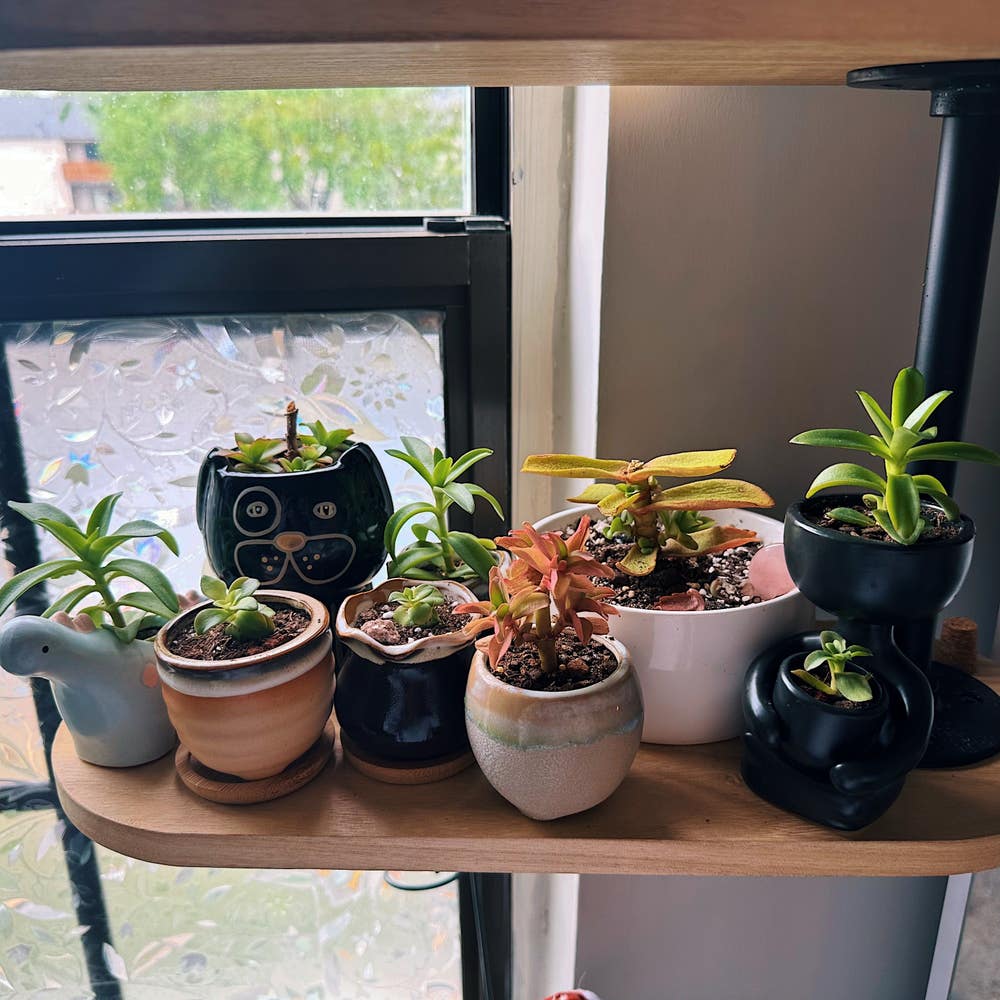
🌵 Pagoda Village Succulent Growth: Height vs. Width
Crassula capitella 'Campfire'
By the Greg Editorial Team
Oct 04, 2024•6 min read
This article was created with the help of AI so we can cover more plants for you. May contain errors. See one? Report it here.
- 🌱 Pagoda Village succulents grow 12-24 inches tall and 6-18 inches wide.
- 🌞 Optimal light and well-draining soil are crucial for healthy growth.
- ⏳ Growth takes time: 3-5 years to reach full size; patience is essential!
Mature Height and Width
Height 🌱
The typical height of a Pagoda Village succulent ranges from 12 to 24 inches (30 to 60 cm). This growth can vary significantly based on two main factors: the age of the plant and its environmental conditions.
Younger plants tend to be shorter, while mature specimens reach their full height over time. Additionally, light exposure and temperature play crucial roles in determining how tall these succulents can grow.
Width 📏
When it comes to width, Pagoda Village succulents generally measure between 6 to 18 inches (15 to 45 cm). The way a plant grows can greatly influence its width, particularly through leaf stacking and spacing.
The arrangement of leaves affects how wide the plant appears. Furthermore, the growth conditions, such as soil type and drainage, also contribute to the overall width of these fascinating plants.
Understanding these dimensions is essential for anyone looking to cultivate healthy Pagoda Village succulents. With the right care, you can ensure your plants thrive and reach their full potential.
Next, we’ll explore the growth rate and time to maturity, shedding light on how long it takes for these beauties to reach their ideal size.
Growth Rate and Time to Maturity
🌱 Growth Rate
Pagoda Village succulents exhibit a slow to moderate growth rate, making them a delightful addition to any plant collection. Under optimal conditions, these plants typically reach their full size in about 3 to 5 years.
⚙️ Factors Affecting Growth Rate
Several factors can influence this growth rate.
- Light Exposure: Bright light promotes faster growth, while low light can stunt development.
- Soil Type: Well-draining soils are essential; compacted soils can hinder growth significantly.
⏳ Time to Maturity
Understanding the timeline for growth stages is crucial for succulent enthusiasts.
- Seedling to Juvenile: This stage lasts about 1 to 2 years.
- Juvenile to Mature: Expect another 2 to 3 years for the plant to reach maturity.
🧘♀️ The Importance of Patience
Patience is key in succulent cultivation. Watching your Pagoda Village succulent grow over the years can be a rewarding experience, as each stage brings its own unique charm and beauty.
As you nurture your plant, remember that the journey is just as important as the destination. With the right care, your succulent will thrive and flourish, leading to a stunning display in your home or garden.
Next, we’ll explore the size variability of these fascinating plants and how different factors can affect their growth.
Size Variability
🌍 Environmental Impact on Size
The size of Pagoda Village succulents can significantly vary based on environmental factors. Light, temperature, and humidity all play crucial roles in determining how tall and wide these plants can grow.
Indoor succulents often exhibit different growth patterns compared to their outdoor counterparts. For instance, indoor plants may stretch toward available light, resulting in taller but narrower growth, while outdoor plants typically benefit from more natural light, leading to fuller, bushier forms.
Seasonal changes also influence size. During warmer months, succulents tend to grow more vigorously, while colder temperatures can slow down their growth, leading to smaller dimensions.
🌱 Varietal Differences
Pagoda Village succulents come in a variety of sizes, from dwarf to giant. Dwarf varieties typically reach heights of 6 to 12 inches, making them perfect for small spaces or indoor arrangements.
On the other hand, giant varieties can grow impressively tall, reaching up to 36 inches. These larger specimens can become stunning focal points in gardens or landscapes, showcasing the remarkable diversity within this succulent family.
Understanding these size variabilities helps in selecting the right succulent for your space and care routine. With the right conditions, you can nurture these plants to thrive beautifully, regardless of their size.
Factors Affecting Size
🌞 Environmental Conditions
Light exposure plays a crucial role in the growth of Pagoda Village succulents. Optimal light conditions, ideally bright but indirect sunlight, can significantly enhance their size and overall health.
Conversely, insufficient light can stunt growth, leading to leggy plants that struggle to thrive. It's essential to monitor light levels to ensure your succulent reaches its full potential.
Temperature and humidity also impact growth. The ideal temperature range for these plants is between 65°F to 85°F (18°C to 29°C), providing a comfortable environment for optimal growth.
Humidity preferences vary, but maintaining moderate humidity levels can support healthy development. Too much or too little humidity can hinder growth, so finding a balance is key.
🌱 Soil Type and Drainage
Well-draining soil is vital for the health of Pagoda Village succulents. It prevents root rot and ensures that the plant can absorb nutrients effectively.
Different soil types affect growth. Sandy soils promote drainage and aeration, while clay soils can retain too much moisture, leading to potential issues.
For the best results, consider using a mix specifically designed for succulents. This will provide the right balance of drainage and nutrients.
🪴 Container Size Effects
The size of the container can significantly influence the growth of your succulent. Smaller containers can lead to stunted growth, as the roots have limited space to expand.
On the other hand, larger containers allow for more extensive root systems, promoting healthier and larger plants. Choosing the right container size is essential for optimal growth.
As a general guideline, select a container that is slightly larger than the current root ball for young plants. For mature specimens, ensure the container provides enough room for growth without being excessively large.
By paying attention to these factors, you can create an ideal environment for your Pagoda Village succulents to thrive. Next, we'll explore how to control their size through effective pruning techniques.
Controlling Size
🌿 Pruning Techniques
Pruning is essential for maintaining the desired dimensions of your Pagoda Village Succulent. Regular trimming not only shapes the plant but also encourages healthier growth.
Timing
The best times to prune are during the growing season, typically in spring or early summer. This timing allows the plant to recover quickly and thrive after being trimmed.
Techniques
When pruning, use clean, sharp tools to make precise cuts. Focus on removing dead or overcrowded leaves to promote airflow and light penetration, ensuring the plant remains healthy and vibrant.
📏 Tips for Maintaining Dimensions
Regular monitoring of your succulent's growth is crucial. Adjust your care practices based on its size and health to keep it thriving.
Fertilization Impact
Fertilization plays a significant role in growth size. Use balanced fertilizers that promote healthy growth, applying them during the active growing season.
Frequency and Timing
Fertilize every 4-6 weeks during the growing season for optimal results. This consistent feeding helps your succulent reach its full potential without becoming overgrown.
By mastering these techniques and tips, you can effectively control the size of your Pagoda Village Succulent, ensuring it remains a stunning addition to your collection. Next, let's explore the various factors that influence the size of these unique plants.
⚠️ Safety First
This content is for general information and may contain errors, omissions, or outdated details. It is not medical, veterinary advice, or an endorsement of therapeutic claims.
Always consult a qualified healthcare professional before using any plant as food, medicine, or supplement.
Never eat any plant (or feed one to pets) without confirming its identity with at least two trusted sources.
If you suspect poisoning, call Poison Control (800) 222-1222, the Pet Poison Helpline (800) 213-6680, or your local emergency service immediately.
Spotted an error? Please report it here.
Unlock the full potential of your Pagoda Village succulents 🌿 with Greg's tailored care reminders and expert tips, ensuring they thrive beautifully at every growth stage!