💧 How Much Humidity Does My Campfire Crassula Need?
Crassula capitella 'Campfire'
By the Greg Editorial Team
Jun 18, 2024•3 min read
This article was created with the help of AI so we can cover more plants for you. May contain errors. See one? Report it here.
- 🌵 Brown tips mean more humidity needed for your Campfire Crassula.
- Group plants or use pebble trays to naturally boost humidity.
- Balance watering with humidity levels to prevent overwatering.
Spotting the Signs: Campfire Crassula and Humidity
🌵 When Your Plant is Thirsty for More Humidity
Brown tips on your Campfire Crassula? Crispy leaves? These are distress flares for more humidity. If your plant's leaves are curling like they're trying to escape, it's time to up the moisture ante. Stunted growth is another red flag; your plant's not lazy, it's just parched.
🌊 When Your Plant is Drowning in Moisture
Yellow, mushy leaves that drop off with a gentle poke are your Crassula's way of saying, "Help, I'm drowning!" Overwatering and high humidity are the usual suspects. If your plant's turning into a mushy mess or losing its vibrant color, it's begging for drier conditions. Cut back on the waterworks and let some air in.

Creating the Perfect Humidity Oasis for Campfire Crassula
🌿 Grouping Plants: The More, The Merrier
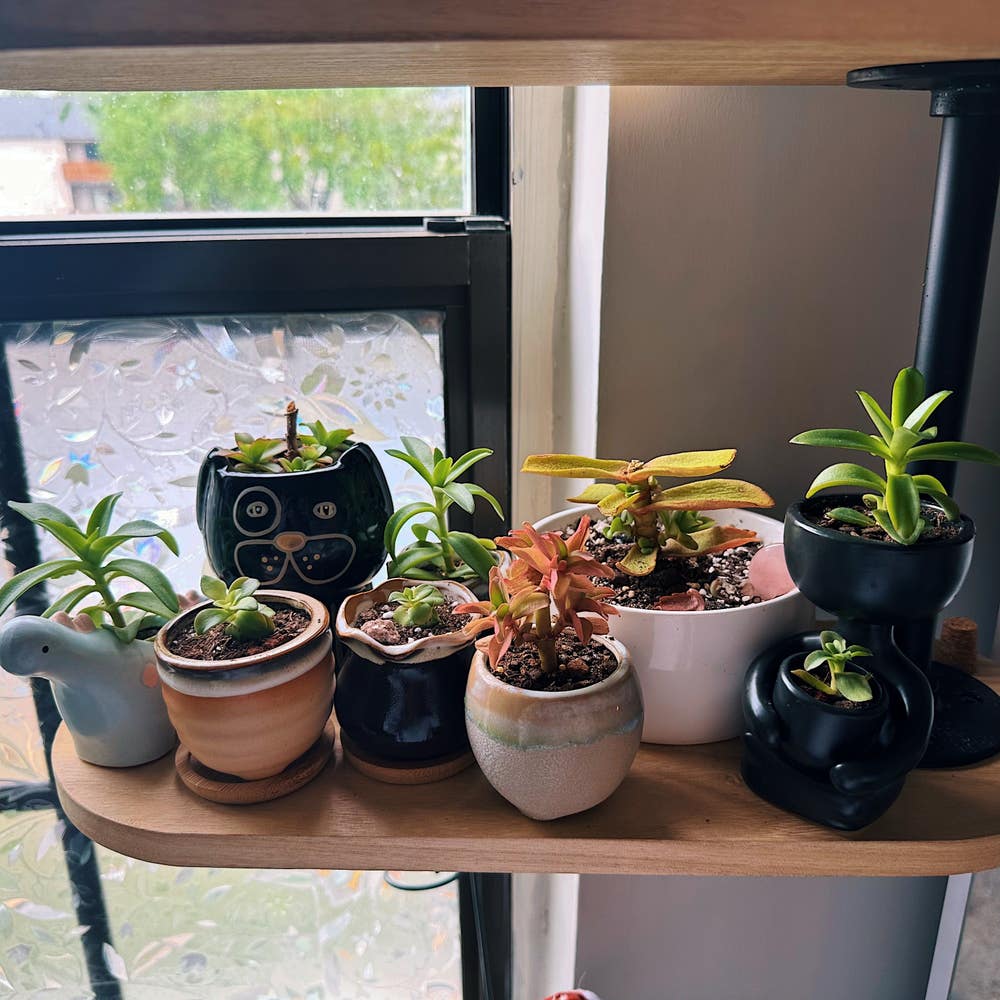
Grouping your Campfire Crassula with other plants isn't just a visual treat; it's a humidity hack. Plants release moisture into the air through transpiration, creating a communal microclimate. Just ensure there's enough airflow to prevent any unwanted fungal parties.
💦 The Magic of Misting: A Spritz for Success
Misting your Campfire Crassula can be like a refreshing splash on a hot day, but it's not a humidity cure-all. It's a quick fix, a temporary boost, but don't let it become the backbone of your strategy. Overdoing it can lead to moisture issues, so use this tactic sparingly and wisely.

When Less is More: Reducing Humidity for Campfire Crassula
💨 Airflow is Your Friend
Proper air circulation is crucial for keeping humidity levels in check for your Campfire Crassula. A stagnant environment invites trouble, like mold and pests, which are no friends to your succulent.
Keep It Moving
To promote airflow, position a fan nearby or crack open a window. This isn't about creating a tornado in your living room; it's about providing a gentle breeze that keeps the air fresh and the humidity balanced.
🌬️ The Dehumidifier: Your Humidity Regulator
Sometimes, natural airflow isn't enough, especially in climates that are naturally more humid. That's where a dehumidifier comes into play.
⏰ Timing is Everything
Use a dehumidifier when the air feels as if you could squeeze water out of it. It's a straightforward device: turn it on and let it do its job. But remember, it's not just about flipping a switch; monitor your plant to ensure it's not going too far in the opposite direction.

Humidity Hacks: Tools and Tricks for Your Campfire Crassula
💨 Humidifiers and Pebble Trays: Boosting Humidity with Ease
Humidifiers are the hydration heroes for your Campfire Crassula, especially during those dry, winter months. Choose one that's quiet enough to hear your plant's sigh of relief.
🌊 The Pebble Tray Method
For a DIY approach, the pebble tray is a classic. Water evaporates from the tray, providing a steady stream of moisture. Just ensure the pot's not soaking in water – we're not running a Crassula bathhouse.
The Watering Balance: Not Too Much, Not Too Little
Watering your Campfire Crassula? It's a delicate dance. Overwatering can raise humidity too much, but underwatering turns your plant's world into a parched desert. Aim for moist soil that's not soggy.
Understanding Your Plant's Thirst
Your Crassula's watering needs will shift with the humidity. High humidity? Ease up on the watering can. Low humidity? Your plant might need a drink more often. It's about finding that sweet spot.
⚠️ Safety First
This content is for general information and may contain errors, omissions, or outdated details. It is not medical, veterinary advice, or an endorsement of therapeutic claims.
Always consult a qualified healthcare professional before using any plant as food, medicine, or supplement.
Never eat any plant (or feed one to pets) without confirming its identity with at least two trusted sources.
If you suspect poisoning, call Poison Control (800) 222-1222, the Pet Poison Helpline (800) 213-6680, or your local emergency service immediately.
Spotted an error? Please report it here.
Ensure your Campfire Crassula thrives 🌱 by letting Greg tailor your watering plan to your home's unique humidity levels, ensuring just the right moisture touch.