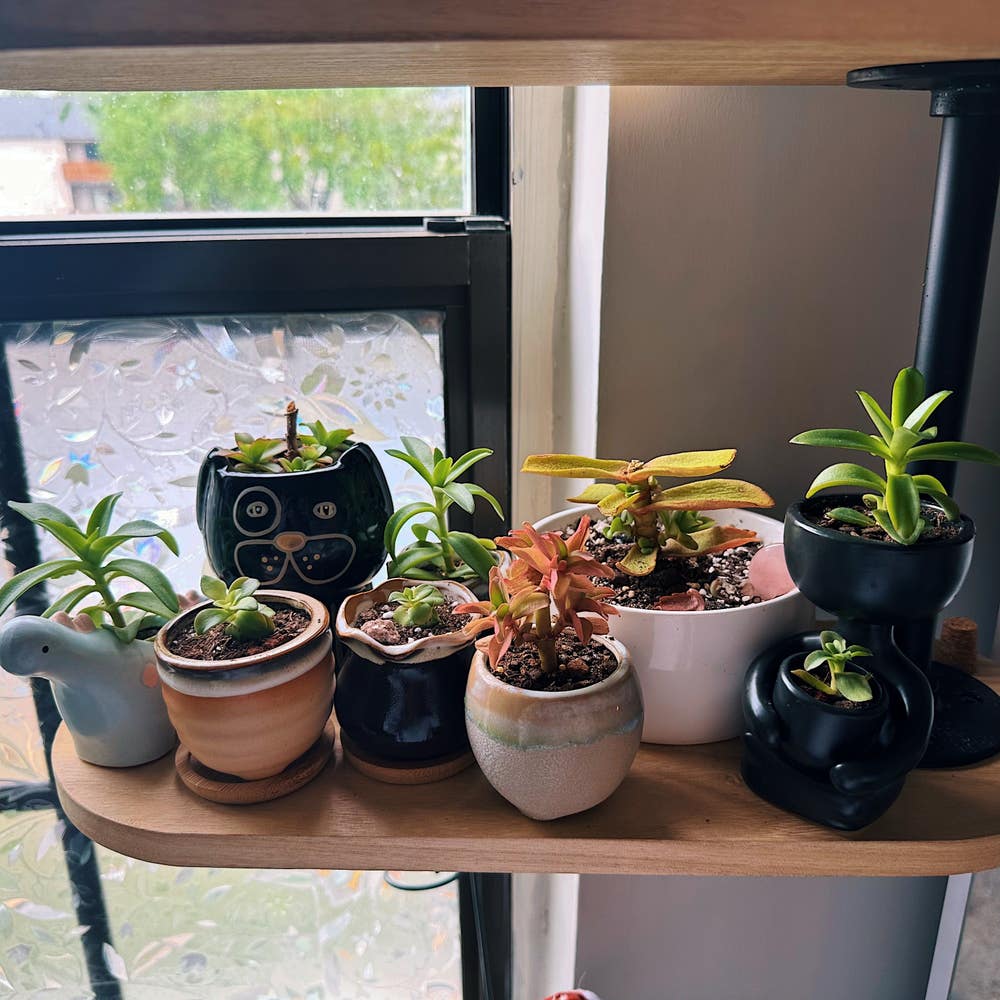
🌞 Why Are My Campfire Crassula Leaves Turning Yellow?
Crassula capitella 'Campfire'
By the Greg Editorial Team
Jun 18, 2024•3 min read
This article was created with the help of AI so we can cover more plants for you. May contain errors. See one? Report it here.
- Over/underwatering and sunlight balance are key to Campfire Crassula health.
- Proper drainage and soil health prevent yellow leaves; repot if needed.
- Nutrient management with balanced fertilizer and soil testing keeps leaves vibrant.
Pinpointing the Culprits Behind Yellow Leaves
💦 Overwatering Woes
Soggy soil is a telltale sign your Campfire Crassula is drowning in excess water. Leaves may turn yellow, feel squishy, and drop off like confetti at the worst party ever.
To rescue your waterlogged friend, ease up on the H2O. Let the soil dry out before you even think about watering again. Consider repotting with fresh, well-draining soil to give those roots a break from their underwater escapade.
🏜️ Thirsty Roots
On the flip side, underwatering is like sending your plant on a forced march with no canteen. Look for crispy leaves and growth that's slower than a lazy Sunday.
Find the sweet spot by watering when the top inch of soil feels like a dry handshake—not too moist, not too arid. Your plant's thirst will dictate the schedule, so pay attention and adjust accordingly.
🌞 Sunlight: Finding the Balance
Campfire Crassula needs sunlight to strut its stuff, but too much can turn it into a crispy critter. Moderate light stress can enhance those fiery red hues, but overdo it and you'll have a sunburnt succulent on your hands.
Adjust your plant's tan time to avoid the extremes. Aim for a spot that gets bright, indirect light—like a rock star basking in the glow of the spotlight without getting scorched.

First Aid for Yellowing Leaves
🚨 SOS: Save Our Soil
Drainage is crucial. If your Campfire Crassula is sitting in waterlogged soil, it's time to act. Check if water pools at the bottom of the pot. If so, consider adding more perlite or sand to the mix to improve drainage.
Repotting might be your next move. Choose a pot with adequate drainage holes and a well-draining potting mix. If the roots are black or mushy, trim the damaged parts to encourage healthy growth.
🍽️ Feeding Frenzy: Nutrients Needed
Yellow leaves can signal a nutrient deficiency. A balanced, water-soluble fertilizer can help, but remember, less is more. Over-fertilization can cause root burn, so follow the instructions carefully.
Soil testing isn't just for the pros. It can pinpoint what's missing in your soil. If you're not into testing, a general-purpose fertilizer is usually a safe bet. Apply it to moist soil to prevent root burn.
When in doubt, flush the soil with water to dilute excess nutrients. If you prefer a more organic approach, adding compost or manure can enrich the soil naturally. Remember, your Campfire Crassula doesn't need a feast, just a steady diet of the right stuff.

Prevention: Keeping Your Campfire Crassula Happy
💧 Watering Wisdom
To prevent yellowing leaves, nailing your watering routine is key. Moderation is your mantra; water more in the summer and less in winter. Always check the soil's moisture before giving your plant a drink. Overwatering is a no-go; it's the fast track to root rot and a one-way ticket to pest town.
☀️ Light the Way
Your Campfire Crassula craves that sweet spot of sunlight—not too much, not too little. Aim for a spot where it can bask in bright, indirect light. If it's getting too much sun and starting to look like a lobster, provide some shade. Remember, a little light stress can actually enhance those fiery red hues, but sunburn is a definite buzzkill.
🌱 Soil and Supplementation
Keep the soil's quality in check; it should be well-draining and rich in organic matter. Terracotta pots are your best bet for breathability. Fertilize sparingly—half-strength organic fertilizer during the growing season does the trick. And don't forget, when it's time to repot, be gentle with those roots. Prune if necessary, but always with clean tools.

⚠️ Safety First
This content is for general information and may contain errors, omissions, or outdated details. It is not medical, veterinary advice, or an endorsement of therapeutic claims.
Always consult a qualified healthcare professional before using any plant as food, medicine, or supplement.
Never eat any plant (or feed one to pets) without confirming its identity with at least two trusted sources.
If you suspect poisoning, call Poison Control (800) 222-1222, the Pet Poison Helpline (800) 213-6680, or your local emergency service immediately.
Spotted an error? Please report it here.
Banish yellow leaves and thrive 🌟 with your Campfire Crassula by letting Greg tailor your watering and sunlight regimen for plant perfection!