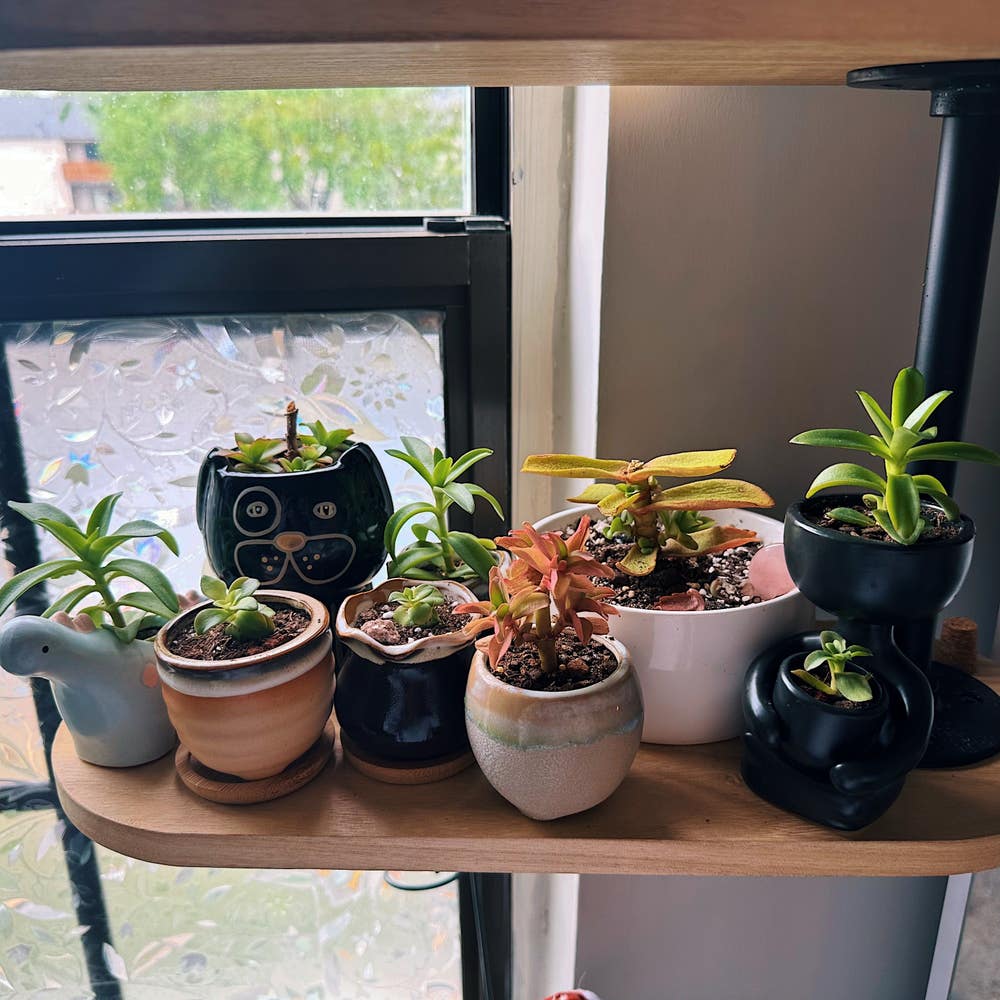
Am I Starving My Campfire Crassula? Fertilizing 101
Crassula capitella 'Campfire'
By the Greg Editorial Team
Jun 18, 2024•4 min read
This article was created with the help of AI so we can cover more plants for you. May contain errors. See one? Report it here.
- Organic vs. Synthetic: Choose wisely for plant's future and environment.
- Balanced N-P-K ratio essential for Campfire Crassula's health and growth.
- Fertilize responsibly: Avoid over-fertilization and adjust for growth phases.
Choosing the Right Fertilizer for Your Campfire Crassula
💡 Organic vs. Synthetic: Which Way to Go?
Organic fertilizers are like a slow-cooked meal for your Campfire Crassula, releasing nutrients as they break down. They improve soil health, making them a long-term investment in your plant's future. Synthetic options, on the other hand, are like a fast food fix—quick and targeted, but with a higher risk of overfeeding and potential harm to the environment.
💡 The Perfect N-P-K Ratio
The N-P-K ratio is your plant's dietary label. For Campfire Crassula, a balanced blend, like 10-10-10, is key. Nitrogen promotes foliage growth, phosphorus encourages roots and blooms, and potassium is the overall health booster. Don't ignore micronutrients; they're the side dishes that complete the meal.
💡 Liquid Gold: Water-Soluble Fertilizers
Liquid fertilizers are the espresso shots of plant nutrition—fast-acting and potent. They're especially handy during the growth phase, as they can be easily diluted and quickly taken up by the plant. But remember, less is more. A half-strength solution can prevent the dreaded nutrient overload, keeping your succulent happy and not hyper.

Timing is Everything: When to Fertilize
🌱 Growing Season Guidelines
Campfire Crassula, like most succulents, enters its growth phase in spring and summer. This is when you should fertilize—think of it as giving your plant a hearty breakfast to start its day.
- Start applying fertilizer in early spring as new growth appears.
- Continue every two to four weeks with a balanced mix, following package instructions.
- Cease fertilization by the end of summer to prevent tender growth that won't withstand cooler temperatures.
💤 Dormancy Do's and Don'ts
When Campfire Crassula hits its snooze button in winter, ease up on the feeding.
- Avoid fertilizing during dormancy; your plant is resting, not feasting.
- Monitor your plant for signs of unexpected growth and adjust accordingly.
- Remember, over-fertilizing during dormancy is like waking someone with an air horn—it's jarring and unnecessary.

How to Fertilize Without Harming Your Plant
💧 Getting the Dose Right
Dilution is the secret sauce to fertilizing your Campfire Crassula without causing harm. Mix your fertilizer at half-strength to start, ensuring you don't overwhelm the plant's roots. Frequency is another balancing act; a biweekly schedule during the growing season hits the sweet spot. Keep an eye out for a white crust on the soil, the telltale sign of over-fertilization, which calls for an immediate watering to flush out excess salts.
🎯 Application Techniques
When it's time to apply, think precision rather than a free-for-all. Directly target the soil, circumventing the leaves to prevent fertilizer burn. If you're using granular types, they're like a slow drip of nutrients, releasing over time and reducing the risk of overdoing it. For liquid fertilizers, remember to avoid the foliage and stems, focusing on the soil around the plant. Always follow the product's instructions like it's the holy grail of plant care.

Recognizing and Fixing Fertilizer Faux Pas
🚩 Spotting the Signs of Over-Fertilization
Campfire Crassula, like any succulent, can suffer from our overzealous attempts at care. Over-fertilization is a common misstep that can lead to a host of unsightly and unhealthy symptoms. If you notice a white crust on the soil or the edges of your pot, that's a telltale sign of salt buildup from too much fertilizer. Yellowing or browning of leaves, especially at the tips and margins, is another red flag. Your plant's roots may turn black or limp, and in severe cases, leaves might wilt or drop despite the soil being moist.
🛠️ The Recovery Plan
Caught in the act of over-fertilizing? Time to switch into damage control mode. First, remove any visible fertilizer from the soil surface. Next, flush the soil with water to dilute and wash away excess salts—think of it as a detox for your plant's roots. You may need to repeat this every few days, monitoring your plant for signs of recovery. Pruning damaged foliage is also a good idea, as these parts won't bounce back. If the situation is dire, consider repotting your Campfire Crassula with fresh, nutrient-free soil. Hold off on the fertilizer for a while, at least three to four weeks, to give your plant a chance to recover. Remember, it's always easier to add more nutrients later than to reverse the damage of too much.
⚠️ Safety First
This content is for general information and may contain errors, omissions, or outdated details. It is not medical, veterinary advice, or an endorsement of therapeutic claims.
Always consult a qualified healthcare professional before using any plant as food, medicine, or supplement.
Never eat any plant (or feed one to pets) without confirming its identity with at least two trusted sources.
If you suspect poisoning, call Poison Control (800) 222-1222, the Pet Poison Helpline (800) 213-6680, or your local emergency service immediately.
Spotted an error? Please report it here.
Nurture a thriving Campfire Crassula with just-right feedings, as Greg's timely reminders help you dodge over-fertilization pitfalls for a lush, happy plant 🌿.