🌵 Pagoda Village Succulent Care: Preventing Wilting
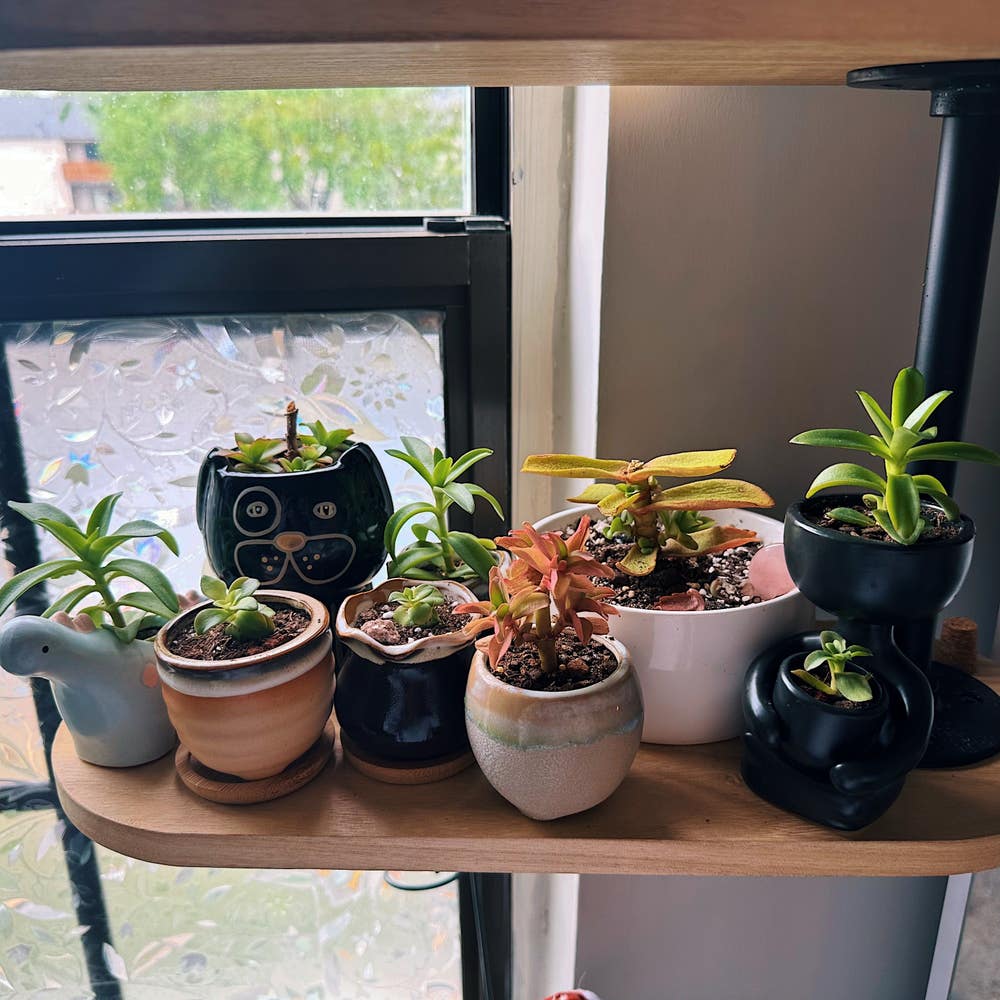
Crassula capitella 'Campfire'
By the Greg Editorial Team
Oct 04, 2024•5 min read
This article was created with the help of AI so we can cover more plants for you. May contain errors. See one? Report it here.
- 🌱 Diagnose wilting by checking leaves, soil moisture, and environmental factors.
- 💧 Watering balance is key: avoid both overwatering and underwatering for healthy succulents.
- 🌡️ Stable conditions are crucial; protect succulents from temperature and humidity fluctuations.
Diagnosing Wilting in Pagoda Village Succulent
Step-by-Step Guide to Diagnose Wilting 🌱
Diagnosing wilting in your Pagoda Village succulent is crucial for its health. Follow these simple steps to pinpoint the issue.
Observe Leaf Condition: Start by checking the leaves for any discoloration, unusual texture, or lack of firmness. Healthy leaves should be vibrant and plump.
Assess Soil Moisture: Use a moisture meter or your finger to test the soil. If it feels dry several inches down, it may need water; if it's soggy, you might be overwatering.
Evaluate Environmental Conditions: Look at the temperature and humidity levels in your space. Pagoda Village succulents thrive in stable conditions, so fluctuations can lead to stress.
Inspect for Pests: Examine both the leaves and soil for any signs of pests. Look for tiny bugs or webbing that could indicate an infestation.
Identifying Symptoms and Environmental Factors 🧐
Recognizing symptoms early can save your succulent. Common leaf symptoms include limpness, discoloration, or shriveling.
Environmental factors also play a significant role. Temperature fluctuations, high humidity levels, and inadequate light exposure can all contribute to wilting.
By staying vigilant and following these diagnostic steps, you can ensure your Pagoda Village succulent remains healthy and vibrant. Next, let’s explore effective solutions for wilting leaves.
Solutions for Wilting Leaves
🌊 Addressing Water Stress
Water stress is a common culprit behind wilting in Pagoda Village succulents.
For overwatering, allow the soil to dry out completely before watering again. If root rot is present, repot your succulent in well-draining soil to promote recovery.
On the flip side, underwatering can also lead to wilting. Water thoroughly until excess drains out, and implement a regular watering schedule based on your succulent's environmental conditions.
☀️ Managing Heat Stress
Heat stress can quickly sap the vitality of your succulent.
To combat this, relocate your plant to a shaded area during peak sunlight hours. You can also use a humidity tray or mist the leaves to increase moisture in the air, helping your succulent thrive.
🦠 Solutions for Disease-Related Wilting
If your succulent is wilting due to disease, prompt action is essential.
Start by identifying and removing any affected leaves to prevent further spread. If you suspect a fungal infection, applying fungicide can help restore your plant's health.
🌱 Techniques for Reviving a Wilted Succulent
Reviving a wilted succulent requires a few practical techniques.
One effective method is bottom watering: place the pot in a shallow dish of water for about 30 minutes. This allows the roots to absorb moisture without over-saturating the soil.
Consider temporarily relocating your succulent to a more suitable environment with stable temperature and humidity. Additionally, pruning damaged leaves with clean, sharp scissors can encourage new growth and improve overall health.
By addressing these issues, you can help your Pagoda Village succulent bounce back and flourish. Next, let’s explore preventive measures to minimize the risk of wilting in the future.
Preventive Measures
Best Practices to Minimize Wilting Risk 🌱
Establishing a consistent watering routine is crucial for your Pagoda Village succulent. Adjust your schedule based on seasonal changes to ensure your plant receives the right amount of moisture.
Regularly monitoring environmental conditions can make a significant difference. Keep an eye on temperature and humidity levels to create a stable environment for your succulent.
Environmental Adjustments for Pagoda Village Succulent 🌞
Proper drainage in pots is essential to prevent waterlogging. Make sure your pots have drainage holes to allow excess water to escape.
Providing filtered light is another key adjustment. Avoid direct sun exposure during peak hours to protect your succulent from scorching and wilting.
By implementing these preventive measures, you can significantly reduce the risk of wilting in your Pagoda Village succulent. This proactive approach will help ensure your plant thrives in its environment, setting the stage for healthy growth.
Next, let’s explore the unique characteristics of the Pagoda Village succulent and how they influence care.
Unique Characteristics of Pagoda Village Succulent
🌡️ Sensitivity to Environmental Changes
Pagoda Village succulents are particularly sensitive to rapid temperature fluctuations. Sudden changes can stress these plants, leading to wilting or even death if not addressed promptly.
Maintaining stable humidity levels is equally crucial for their health. These succulents thrive in environments where humidity is consistent, as drastic shifts can hinder their growth and vitality.
By understanding these unique characteristics, you can create a nurturing environment that supports your Pagoda Village succulent's well-being. This knowledge empowers you to make informed decisions, ensuring your plant remains vibrant and healthy.
As we explore solutions for wilting leaves next, keep these environmental factors in mind to prevent future issues.
When to Seek Help
Signs That Require Expert Assistance 🆘
If your Pagoda Village succulent continues to wilt despite your best care efforts, it may be time to seek professional help. Persistent wilting can indicate deeper issues that simple adjustments won’t resolve.
Additionally, if you notice pests or signs of disease that seem unmanageable, don’t hesitate to reach out for expert advice. Ignoring these signs can lead to further damage to your plant.
Resources for Assistance 📚
Local nurseries are excellent resources for expert advice tailored to your specific situation. They often have knowledgeable staff who can provide insights into your succulent's needs.
You can also connect with Greg, an online plant care community, where fellow plant enthusiasts share tips and support. Engaging with others who share your passion can be incredibly helpful as you navigate your succulent care journey.
⚠️ Safety First
This content is for general information and may contain errors, omissions, or outdated details. It is not medical, veterinary advice, or an endorsement of therapeutic claims.
Always consult a qualified healthcare professional before using any plant as food, medicine, or supplement.
Never eat any plant (or feed one to pets) without confirming its identity with at least two trusted sources.
If you suspect poisoning, call Poison Control (800) 222-1222, the Pet Poison Helpline (800) 213-6680, or your local emergency service immediately.
Spotted an error? Please report it here.
Keep your Pagoda Village succulents thriving 🌵 by using Greg's tailored care reminders and expert tips to prevent wilting and ensure vibrant, healthy growth!