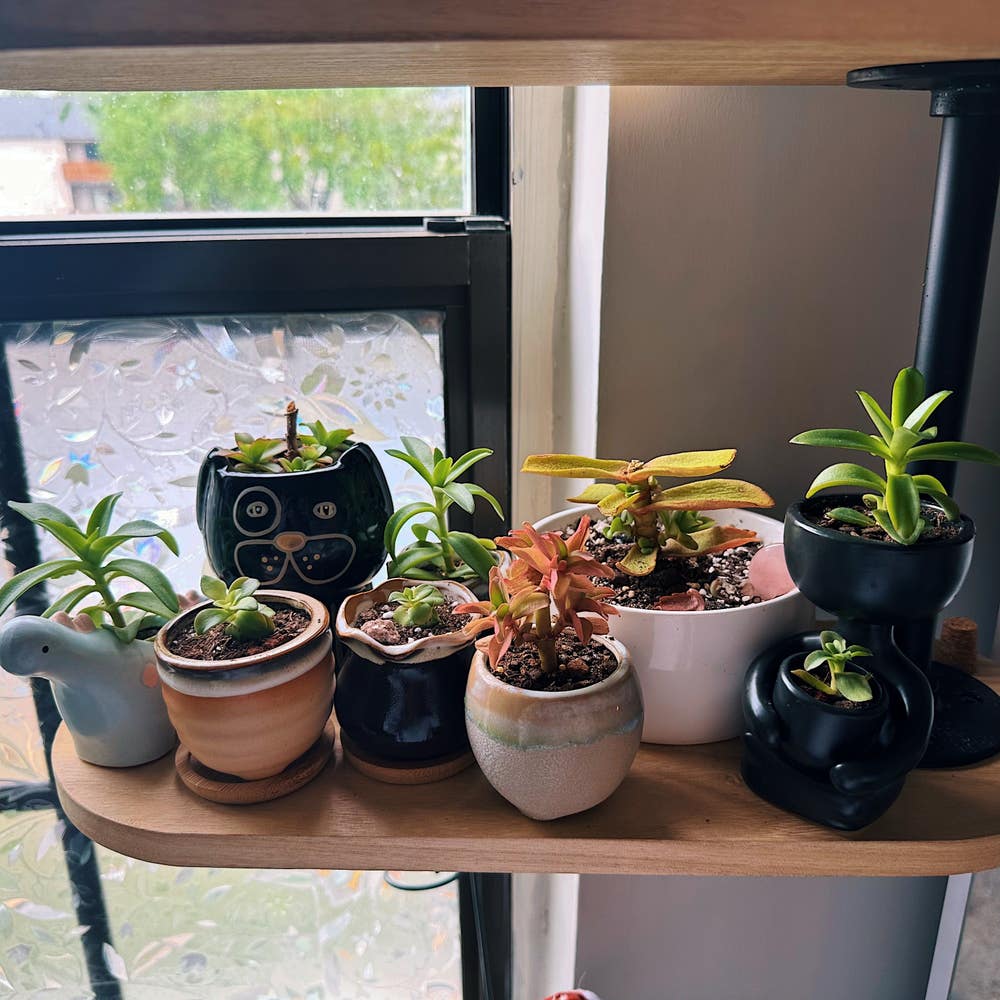
❄️ Ultimate Guide to Winter Care for Pagoda Village Succulent
Crassula capitella 'Campfire'
By the Greg Editorial Team
Oct 04, 2024•4 min read
This article was created with the help of AI so we can cover more plants for you. May contain errors. See one? Report it here.
- 💧 Water less in winter to prevent root rot; only water when soil is dry.
- ❄️ Protect from frost using cloth; check for wilting or discoloration as damage signs.
- 🌞 Ensure bright, indirect light indoors; consider grow lights if natural light is low.
Winter Care Requirements
🌊 Adjusting Watering Schedules for Winter
Reducing watering frequency is crucial during winter to prevent root rot while your Pagoda Village Succulent is dormant. Water only when the soil is completely dry, ensuring your plant stays healthy through the colder months.
Watch for signs of overwatering, such as yellowing leaves and mushy stems. These indicators can help you adjust your watering schedule effectively.
🥬 Fertilizing Practices During Dormancy
During winter, the general guideline is minimal to no fertilization for your succulents. High-nitrogen fertilizers should be avoided, as they promote unwanted growth during this dormant phase.
Resume fertilization in early spring when growth begins again. This timing will help your succulent thrive as it wakes up from its winter slumber.
💡 Importance of Light Exposure in Winter
Pagoda Village Succulents thrive in bright, indirect light, making light exposure essential during winter. If natural light is insufficient, consider using grow lights to supplement their needs.
Signs of inadequate light include stretching or elongated growth patterns. Keeping an eye on these indicators will help you maintain optimal light conditions for your succulent.
With these winter care requirements in mind, your Pagoda Village Succulent will be well-prepared to thrive until spring. Next, let’s explore how to protect your succulent from frost.
Protection from Frost
🌨️ Methods for Frost Protection
When winter hits, protecting your Pagoda Village Succulent from frost is crucial. One effective strategy is to cover your plants with frost cloth or burlap, which acts as a barrier against freezing temperatures.
Location matters too. Placing your pots in sheltered areas, away from harsh winds, can significantly reduce frost exposure. Additionally, using mulch around the base of your plants helps insulate the soil, retaining warmth and protecting roots from the cold.
❄️ Signs of Frost Damage and Recovery
Frost damage can manifest in several ways. Look for signs like wilting, discoloration, or blackened leaves, which indicate your succulent is struggling.
If you notice these symptoms, recovery is possible. Start by pruning any damaged areas and providing optimal care conditions. Keep an eye on temperatures using thermometers to track nighttime lows, ensuring your plants stay safe as they recover.
With the right precautions and care, your succulents can bounce back from winter's chill, ready to thrive in the warmer months ahead.
Indoor Winter Care
🌱 Transitioning Succulents Indoors
Bringing your Pagoda Village succulents indoors is crucial before the first frost hits. Aim to transition them gradually over a week to help them acclimate to the new environment.
Before moving them inside, inspect for any pests. This step is essential to ensure your indoor plants remain healthy and pest-free.
❄️ Ideal Indoor Conditions for Winter
Maintaining the right temperature is vital for your succulents. Keep indoor temperatures between 60°F to 75°F (15°C to 24°C) for optimal growth.
Humidity is another factor to consider. Low humidity levels help prevent rot, which can be detrimental to your plants.
Light exposure is equally important. Position your succulents near south-facing windows to maximize their light intake during the shorter winter days.
As you prepare your succulents for winter, remember that proper indoor care sets the stage for a thriving spring. Transitioning them smoothly will ensure they remain healthy and vibrant until it's time to return them outdoors.
Spring Preparation and Recovery
🌱 Signs of Spring Growth and Readiness for Outdoor Return
As winter fades, your Pagoda Village Succulent will show signs of awakening. Look for new growth and vibrant color changes in the leaves; these are clear indicators that your plant is ready to thrive again.
Timing is crucial for transitioning your succulent outdoors. Wait until after the last frost date in your area to ensure a safe move.
🛡️ Importance of Hardening Off
Before placing your succulent outside, hardening off is essential. Gradually expose your plant to outdoor conditions over a week to help it adjust without shock.
🔧 Steps for Recovering from Winter Damage
Assessing damage is the first step in recovery. Check for any signs of frost or water damage, as this will guide your next actions.
Recovery techniques include pruning dead or damaged foliage. This not only helps the plant focus its energy on healthy growth but also improves its overall appearance.
🌞 Adjusting Care Practices
As you adjust care practices, consider the specific needs of your succulent. Ensure it receives adequate light and water, tailored to its recovery phase.
🐛 Monitoring for Pests
Increased vigilance is necessary as your plant begins to recover and grow. Keep an eye out for pests that may have taken advantage of winter's dormancy.
With these steps, your Pagoda Village Succulent will be well on its way to a vibrant spring. Next, let’s explore the ideal indoor conditions to keep your succulent thriving during the colder months.
⚠️ Safety First
This content is for general information and may contain errors, omissions, or outdated details. It is not medical, veterinary advice, or an endorsement of therapeutic claims.
Always consult a qualified healthcare professional before using any plant as food, medicine, or supplement.
Never eat any plant (or feed one to pets) without confirming its identity with at least two trusted sources.
If you suspect poisoning, call Poison Control (800) 222-1222, the Pet Poison Helpline (800) 213-6680, or your local emergency service immediately.
Spotted an error? Please report it here.
Keep your Pagoda Village Succulent thriving this winter ❄️ with Greg's tailored watering alerts and light tips to ensure it flourishes despite the cold!