☀️ Direct Sunlight and Your Pagoda Village Succulent
Crassula capitella 'Campfire'
By the Greg Editorial Team
Oct 04, 2024•3 min read
This article was created with the help of AI so we can cover more plants for you. May contain errors. See one? Report it here.
- 🌞 Pagoda Village succulents need 6-8 hours of direct sunlight for optimal growth.
- 🌿 Signs of too much sunlight include scorched leaves; insufficient light causes stretching.
- 🪟 Window direction matters: south-facing offers ideal sunlight, while north-facing needs supplements.
Sunlight Needs of Pagoda Village Succulent
Direct Sunlight Requirements 🌞
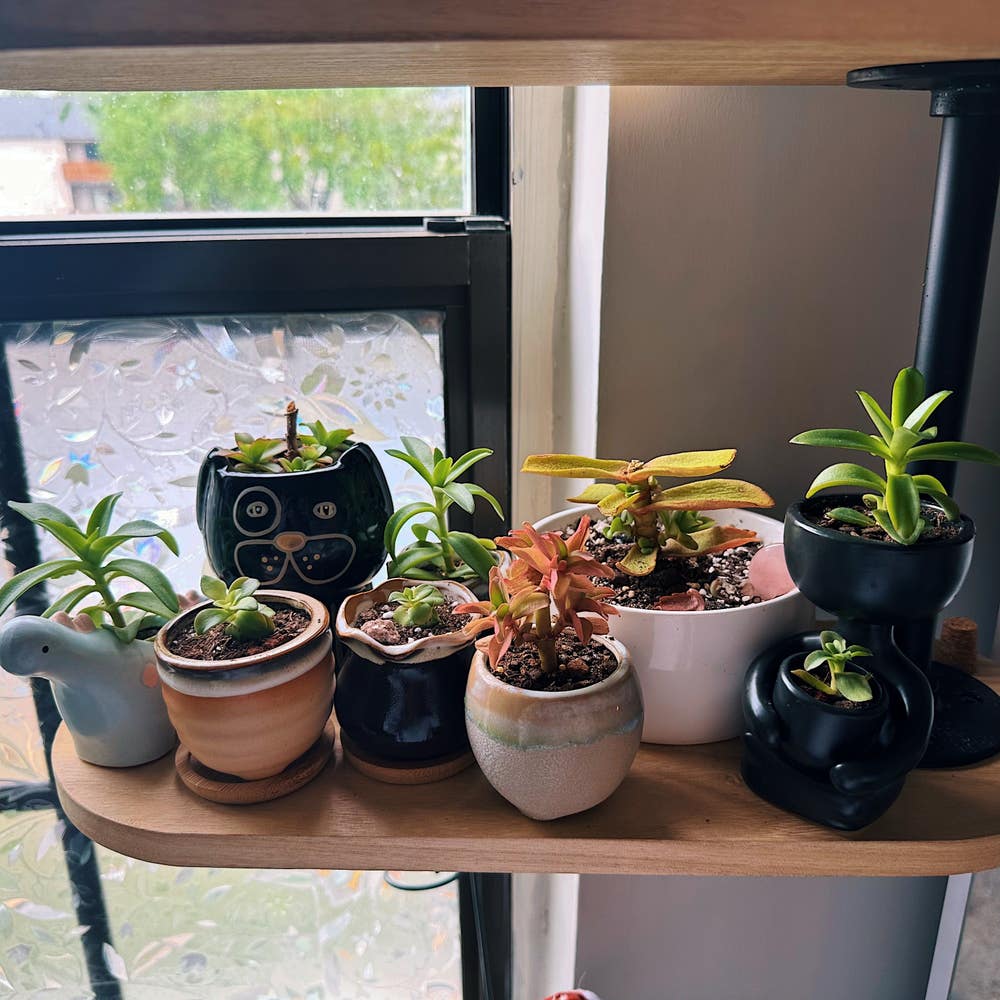
Pagoda Village succulents thrive in bright light conditions, mirroring the arid regions they hail from. For optimal growth, aim for 6-8 hours of direct sunlight daily.
Tolerance Levels for Direct Sunlight 🕶️
These succulents can handle high levels of direct sunlight, thanks to their native habitat. However, keep in mind that some varieties may prefer a bit of partial shade.
Signs of Sunlight Imbalance 🚨
Too much sunlight can lead to scorched leaves or sunburn, which is a clear red flag. Conversely, if your succulent is stretching or showing pale leaves, it’s likely not getting enough light.
Understanding these sunlight needs is crucial for keeping your Pagoda Village succulent healthy and vibrant. Next, let’s explore how environmental factors, like window direction, can impact your succulent’s light exposure.
Environmental Factors
Role of Window Direction 🌞
The direction of your windows plays a crucial role in how much sunlight your Pagoda Village succulent receives.
- North-facing windows typically offer low light, which may require you to supplement with artificial lighting to keep your succulent thriving.
- South-facing windows are ideal, providing the maximum direct sunlight exposure that these plants crave.
- East-facing windows give gentle morning sun, making them a great choice for succulents that prefer softer light.
- West-facing windows can deliver intense afternoon sunlight, so keep an eye out for signs of sunburn on your plant.
Impact of Hemisphere on Sunlight Exposure 🌍
The hemisphere you live in also affects how your succulent interacts with sunlight.
In the Northern Hemisphere, the sun moves from east to west, and seasonal changes can impact light intensity.
Conversely, in the Southern Hemisphere, you'll see similar patterns, but the seasonal intensity may vary, requiring adjustments in care.
Understanding these factors can help you create the perfect environment for your Pagoda Village succulent to flourish.
Troubleshooting Sunlight Issues
🌞 Identifying Sunburn or Damage
Sunburn on your Pagoda Village succulent is easy to spot. Look for brown, crispy edges on the leaves and faded color, which indicate too much direct sunlight.
Additionally, if you notice wilting or drooping leaves, that’s another sign of stress. Your plant may be struggling to cope with its light conditions.
🛡️ Solutions for Overexposure to Sunlight
If your succulent is showing signs of sunburn, it’s time to take action. Move the plant to a location with filtered light to protect it from harsh rays.
Another effective method is to use sheer curtains. These can diffuse the intense sunlight while still allowing some light to reach your succulent.
💡 Adjusting Light Conditions for Optimal Growth
Monitoring your plant's growth patterns is crucial. If you notice any changes, adjust its placement accordingly to ensure it gets the right amount of light.
If natural light is insufficient, consider using grow lights. They can provide the necessary illumination for your succulent to thrive, especially during darker months.
With these adjustments, your Pagoda Village succulent can flourish in its environment. Next, let’s explore how environmental factors like window direction can further impact your plant’s sunlight exposure.
⚠️ Safety First
This content is for general information and may contain errors, omissions, or outdated details. It is not medical, veterinary advice, or an endorsement of therapeutic claims.
Always consult a qualified healthcare professional before using any plant as food, medicine, or supplement.
Never eat any plant (or feed one to pets) without confirming its identity with at least two trusted sources.
If you suspect poisoning, call Poison Control (800) 222-1222, the Pet Poison Helpline (800) 213-6680, or your local emergency service immediately.
Spotted an error? Please report it here.
Ensure your Pagoda Village succulent gets its daily dose of sunshine ☀️ with Greg's tailored care reminders, helping you find the perfect light for vibrant growth!