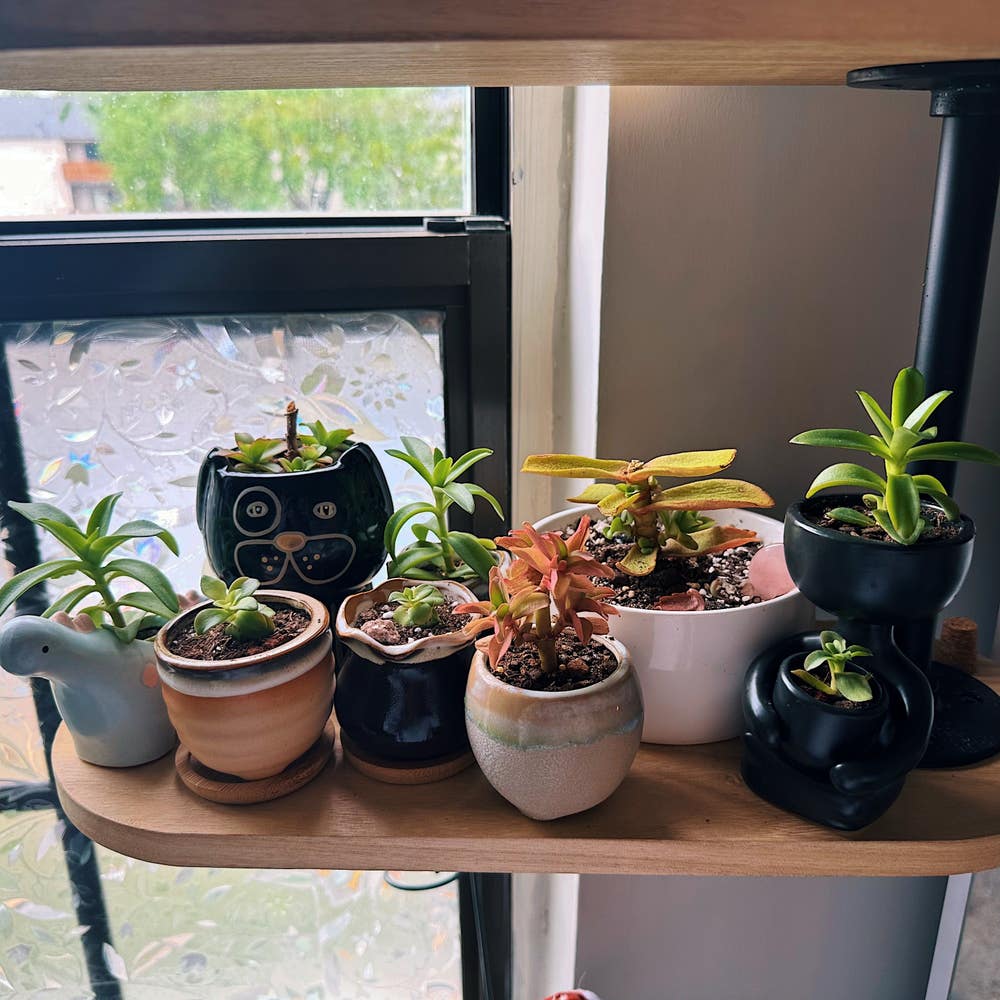
🏯 Propagating Pagoda Village Succulent: Step-by-Step Guide
Crassula capitella 'Campfire'
By the Greg Editorial Team
Oct 04, 2024•3 min read
This article was created with the help of AI so we can cover more plants for you. May contain errors. See one? Report it here.
- 🌱 Leaf propagation is easy: select healthy leaves, let them callous, then plant.
- 🌞 Bright, indirect sunlight and well-draining soil are crucial for successful propagation.
- 💧 Water lightly and infrequently; allow soil to dry completely to prevent rot.
Propagation Methods
🍃 Leaf Propagation
Step-by-step instructions (difficulty: easy)
Select healthy leaves:
Choose mature, plump leaves from the lower part of the plant.Remove leaves carefully:
Twist gently to ensure a clean break without damaging the stem.Allow leaves to callous:
Place leaves on a dry surface for 1-2 days to form a protective callous.Prepare soil:
Use a well-draining succulent soil mix.Plant leaves:
Lay leaves flat on the soil surface or slightly bury the base.Water lightly:
Mist the soil to avoid overwatering.Monitor for roots:
Check for root development in 2-4 weeks.
Ideal conditions for success
- Temperature: 20°C to 25°C (68°F to 77°F).
- Light: Bright, indirect sunlight.
- Humidity: Low to moderate, mimicking arid environments.
✂️ Stem Cutting Propagation
Step-by-step instructions (difficulty: moderate)
Choose a healthy stem:
Select a stem with several leaves and no signs of disease.Cut the stem:
Use clean, sharp scissors to cut a 4-6 inch section.Allow cutting to callous:
Place the cutting in a dry area for 1-2 days.Prepare soil:
Use a well-draining succulent soil mix.Plant the cutting:
Insert the cut end into the soil, burying it about 1-2 inches deep.Water lightly:
Mist the soil to avoid overwatering.Wait for roots to develop:
Check for root growth in 3-6 weeks.
Best practices for cutting and rooting
- Use sterilized tools to prevent disease.
- Ensure the cutting has at least one node for better rooting success.
🌱 Soil and Environment for Propagation
Recommended soil types
- Well-draining succulent soil mix:
Ingredients: 50% potting soil, 25% perlite, 25% coarse sand.
Proper drainage is crucial to prevent rot.
Container options for propagation
Shallow trays or pots:
Ideal for leaf propagation.Standard pots with drainage holes:
Suitable for stem cuttings.Consider using recycled containers:
A sustainable choice for your propagation needs.
💧 Watering and Care During Propagation
Watering techniques for new cuttings
Initial watering:
Light misting to avoid waterlogging.Subsequent watering:
Allow soil to dry out completely between waterings.
Signs of successful rooting
New growth:
Look for small leaves or offsets.Firmness:
Cuttings should feel firm and not mushy.Root visibility:
Check through drainage holes if using transparent containers.
⚠️ Common Challenges and Solutions
Issues with rot and overwatering
Symptoms:
Yellowing leaves and mushy stems.Solutions:
Ensure proper drainage and reduce watering frequency.
Pests and diseases during propagation
Common pests:
Mealybugs and aphids.Prevention methods:
Regular inspection and removal of pests, and use neem oil as a natural pesticide.
📅 Timing and Seasonal Considerations
Best seasons for propagation
- Spring and early summer:
These seasons offer optimal growth conditions and increased light availability.
How seasonal changes affect propagation success
Temperature fluctuations:
Ensure stable indoor conditions.Light availability:
Adjust positioning to maximize sunlight exposure during shorter days.
With these methods and insights, you're well-equipped to propagate your Pagoda Village succulent successfully. Next, let’s explore the essential soil and environmental factors that will support your propagation journey.
⚠️ Safety First
This content is for general information and may contain errors, omissions, or outdated details. It is not medical, veterinary advice, or an endorsement of therapeutic claims.
Always consult a qualified healthcare professional before using any plant as food, medicine, or supplement.
Never eat any plant (or feed one to pets) without confirming its identity with at least two trusted sources.
If you suspect poisoning, call Poison Control (800) 222-1222, the Pet Poison Helpline (800) 213-6680, or your local emergency service immediately.
Spotted an error? Please report it here.
Propagate your Pagoda Village succulent like a pro 🌿 with Greg's tailored reminders and expert tips to ensure your cuttings thrive every step of the way!