🌸 6 Tips for Blooming Your Pagoda Village Succulent
Crassula capitella 'Campfire'
By the Greg Editorial Team
Oct 04, 2024•4 min read
This article was created with the help of AI so we can cover more plants for you. May contain errors. See one? Report it here.
- 🌼 Pagoda Village Succulent rarely flowers, thriving more on striking foliage than blooms.
- ☀️ Ensure 6-8 hours of sunlight and proper care to encourage rare flowering.
- 🌱 Dormant phases affect blooming; patience is key for successful succulent care.
Flowering Status
Clarification on Flowering Status 🌸
The Pagoda Village Succulent is primarily cherished for its stunning foliage rather than its flowers. While it can produce blooms under the right conditions, this is not what makes it a favorite among plant lovers.
Reasons for Non-Flowering 🚫
Flowering in this succulent is quite rare and largely depends on environmental factors. Here are some common reasons it may not flower:
- Insufficient light conditions: Without enough sunlight, the plant may focus on foliage growth instead.
- Inadequate watering or nutrient levels: Poor care can hinder its ability to bloom.
- Dormant phases in its life cycle: Like many succulents, it goes through periods of dormancy that can affect flowering.
Understanding these factors can help you create the ideal conditions for your Pagoda Village Succulent to thrive, even if it doesn't flower.
If It Flowers
🌼 Flower Characteristics
Description of Colors and Structure
The Pagoda Village Succulent produces small, tubular flowers that typically showcase vibrant shades of yellow or orange. These flowers often appear in clusters, adding a delightful visual interest to the plant.
Pollination
This succulent is generally self-pollinating, meaning it can produce seeds without external help. However, inviting external pollination can enhance fruit and seed production, making it a fun experiment for plant enthusiasts.
🌸 Blooming Process
Stages of Blooming
The blooming process begins with bud formation, where the initial development of flower spikes occurs. This is followed by the blooming stages, transitioning from bud to fully open flowers, usually peaking in late summer depending on environmental conditions.
Duration from Bud Formation to Full Bloom
Once the buds form, it takes approximately 2-4 weeks for them to fully bloom. This timeframe allows for anticipation as you watch your succulent transform.
Lifespan of Flowers
Once in bloom, the flowers typically last for about 1-2 weeks before wilting. This brief lifespan adds to the excitement of witnessing the blooming process.
🌱 Encouraging Blooms
Tips for Encouraging Flowering
To encourage your Pagoda Village Succulent to flower, consider these tips:
- Ensure it receives adequate sunlight exposure, ideally 6-8 hours daily.
- Maintain well-draining soil to prevent root rot.
- Fertilize during the growing season with a balanced fertilizer.
Factors Influencing Flowering
Several factors can influence flowering, including:
- Light intensity and duration
- Soil quality and drainage
- Watering frequency and nutrient availability
🌿 Post-Flowering
What Happens After Flowering
After flowering, your succulent may enter a dormant phase, conserving energy for future growth. While the flowers will wilt and drop, the plant remains healthy if you continue to care for it properly.
Does It Die After Flowering?
Rest assured, the Pagoda Village Succulent does not die after flowering. It can continue to thrive and even produce offsets, ensuring your gardening journey continues.
This section highlights the beauty and resilience of the Pagoda Village Succulent, showcasing its unique flowering characteristics and care tips. Next, we’ll explore what to appreciate when it doesn’t flower, emphasizing its ornamental features and propagation methods.
If It Doesn't Flower
🌿 Primary Ornamental Features
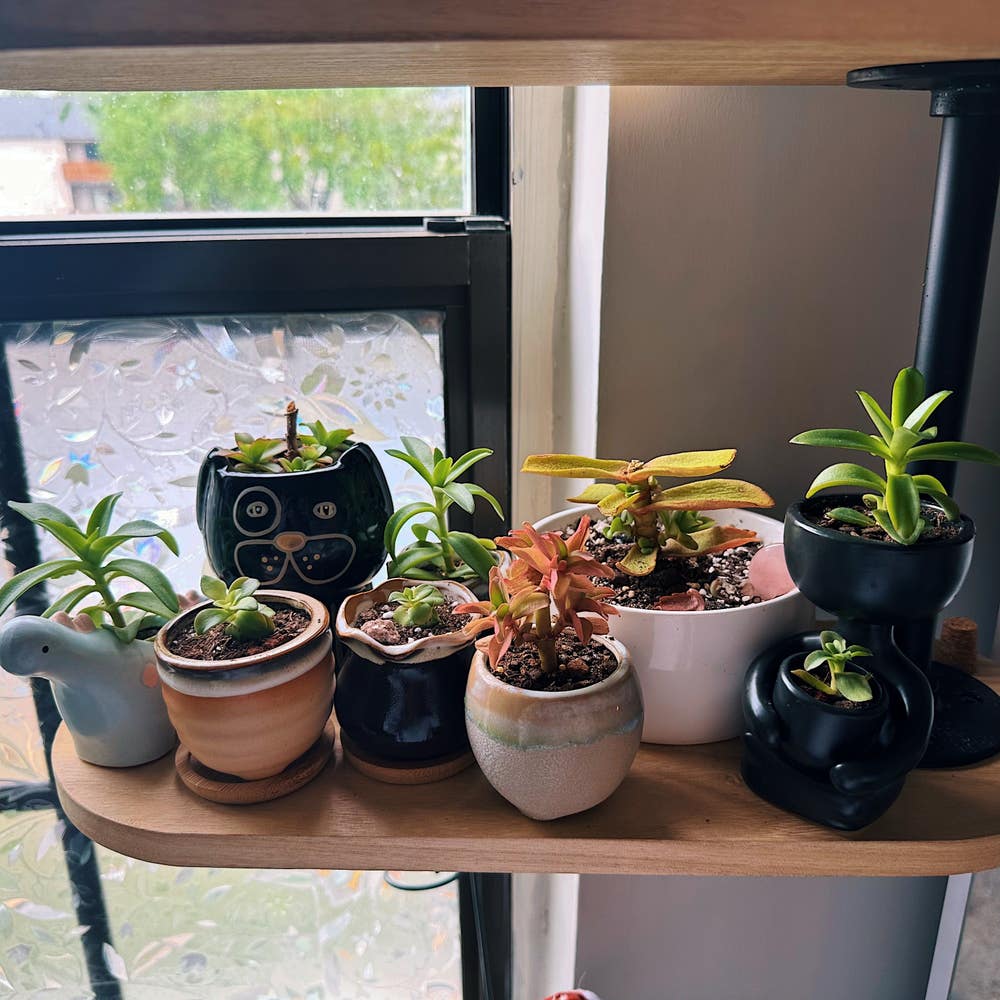
The Pagoda Village Succulent is a showstopper, celebrated for its unique, architectural foliage. Its striking leaves make it a standout choice for both indoor and outdoor decor.
This plant's resilience adds to its charm, making it an ideal option for those who may not have a green thumb. Whether perched on a windowsill or gracing a garden, it brings a touch of elegance.
🌱 Reproduction Without Flowers
Even without flowers, the Pagoda Village Succulent has a clever way of reproducing. It thrives through offsets or leaf cuttings, ensuring that you can easily propagate new plants.
Offsets can be separated and planted, allowing you to expand your succulent collection effortlessly. This method of propagation means you can share the joy of gardening with friends, all without waiting for blooms.
With its ability to flourish without flowering, the Pagoda Village Succulent proves to be a resilient and rewarding choice for any plant lover.
Unique Aspects
🌸 Unusual Characteristics
Pagoda Village Succulent surprises many growers with its rare flowering spikes. This unexpected bloom adds a delightful twist to its care routine, making it a captivating addition to any plant collection.
The plant's resilience shines through as it thrives even without flowers. This quality makes it an excellent choice for those who appreciate low-maintenance greenery.
📚 Interesting Facts
One of the standout features of the Pagoda Village Succulent is its offsets. These little offshoots allow for easy propagation, making it simple to share your plant love with friends and fellow enthusiasts.
Additionally, the plant's life cycle includes a dormant phase. This period can influence its flowering potential and overall growth, reminding us that patience is key in gardening.
As you nurture your Pagoda Village Succulent, remember that its unique characteristics and fascinating life cycle are part of what makes it so special. Embrace the journey, and enjoy the surprises it brings!
⚠️ Safety First
This content is for general information and may contain errors, omissions, or outdated details. It is not medical, veterinary advice, or an endorsement of therapeutic claims.
Always consult a qualified healthcare professional before using any plant as food, medicine, or supplement.
Never eat any plant (or feed one to pets) without confirming its identity with at least two trusted sources.
If you suspect poisoning, call Poison Control (800) 222-1222, the Pet Poison Helpline (800) 213-6680, or your local emergency service immediately.
Spotted an error? Please report it here.
Unlock the rare blooms of your Pagoda Village Succulent 🌼 with Greg's tailored care reminders and tips, ensuring it thrives in the right light and nutrients for a rewarding gardening experience!