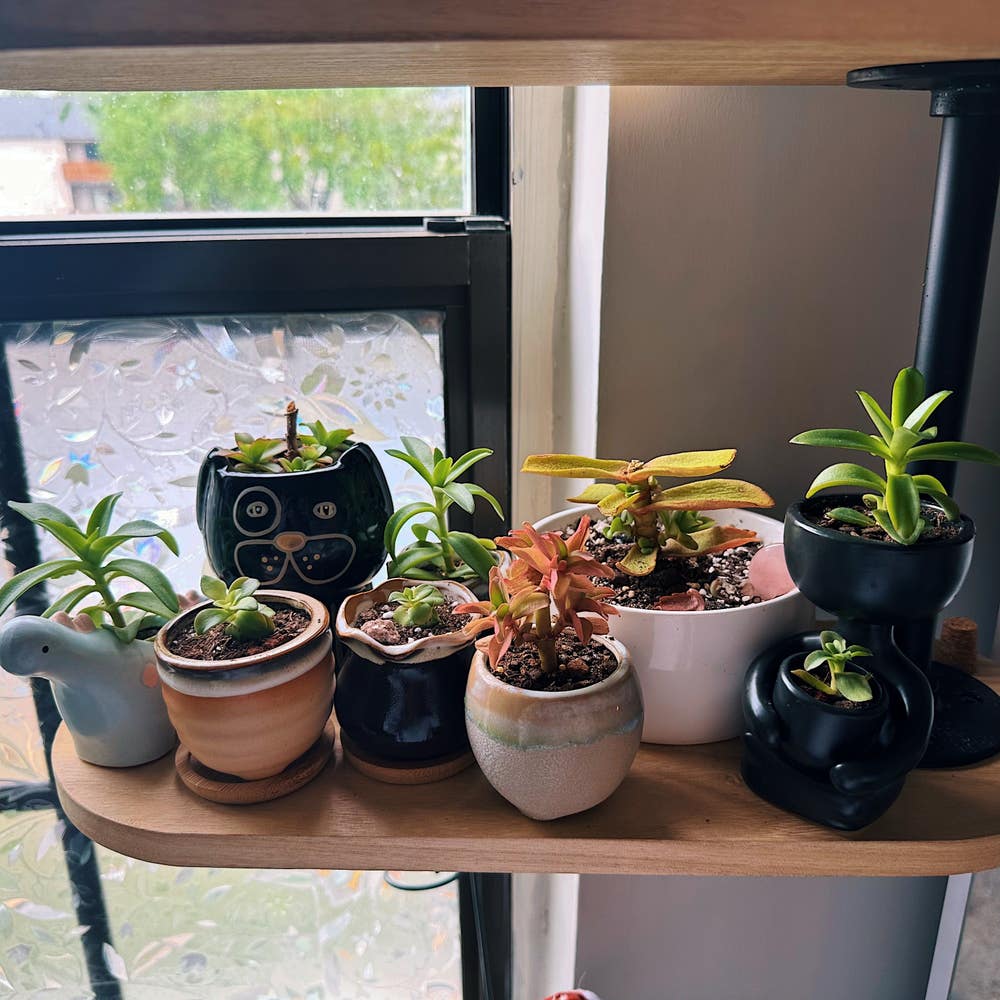
🌵 How to Fix Brown Spots on Your Pagoda Village Succulent
Crassula capitella 'Campfire'
By the Greg Editorial Team
Oct 04, 2024•6 min read
This article was created with the help of AI so we can cover more plants for you. May contain errors. See one? Report it here.
- 💧 Overwatering causes brown spots; adjust watering to every 2-3 weeks for health.
- ☀️ Excessive light leads to sunburn, creating crispy patches on succulent leaves.
- 🐛 Pests and fungal infections can cause brown spots; inspect regularly for early treatment.
Causes of Brown Spots
💧 Overwatering and Root Rot
Overwatering is a common culprit behind brown spots on your Pagoda Village Succulent. Symptoms include yellowing leaves and a mushy texture, indicating that the roots are drowning.
Root rot occurs when excess moisture leads to fungal growth, severely impacting your succulent's health. Ensuring proper soil drainage is crucial to prevent this issue.
☀️ Sunburn and Excessive Light Exposure
Sunburn manifests as crispy, brown patches on the leaves of your succulent. Pagoda Village Succulents thrive in bright, indirect light, so it's essential to avoid placing them in direct sunlight for extended periods.
Excessive light can cause environmental stress, leading to further complications. Monitor your plant's exposure to ensure it remains healthy and vibrant.
🦠 Fungal Infections and Diseases
Fungal infections are another significant cause of brown spots. Common types include powdery mildew and root rot, which can lead to dark brown spots with a wet appearance.
For treatment, fungicides are effective options. Always follow label instructions to ensure safety and efficacy.
🐞 Pest Infestations
Pests like mealybugs and aphids can wreak havoc on your succulent. Look for signs of pest damage, such as sticky residue or webbing on the leaves.
Regular inspections are vital for early detection of pests and diseases. Catching these issues early can save your plant from severe damage.
🌱 Nutrient Deficiencies
Nutrient deficiencies can also lead to brown spots on your succulent. Common signs include pale leaves and stunted growth, indicating that your plant isn't getting the nutrients it needs.
To avoid these deficiencies, consider using a balanced fertilizer. Regular fertilization can help maintain your succulent's overall health and vibrancy.
Understanding these causes is the first step in addressing brown spots on your Pagoda Village Succulent. Next, we’ll explore how to diagnose these issues effectively.
Diagnosing Brown Spots
🕵️ Identifying the Type of Brown Spots
When diagnosing brown spots on your Pagoda Village Succulent, start by differentiating between dry and wet spots. Dry brown spots often indicate sunburn or dehydration, while wet brown spots suggest overwatering or fungal issues.
Accurate diagnosis is crucial for effective treatment. Misidentifying the cause can lead to ineffective remedies, prolonging the plant's distress.
🌞 Assessing Environmental Conditions
Next, evaluate the light exposure your succulent receives. Direct sunlight can scorch leaves, while indirect light is generally more suitable for healthy growth.
Humidity and temperature also play significant roles in your plant's well-being. Pagoda Village Succulents thrive in warm, dry conditions, so ensure your environment meets these needs.
🐛 Checking for Pests and Signs of Infection
Regularly inspect your succulent for pests like mealybugs and aphids. Look for sticky residue or webbing, which are telltale signs of infestations.
Additionally, be vigilant for signs of fungal infections. Dark brown spots with a wet appearance can indicate a serious problem that requires immediate attention.
Treatment Options
🌊 Adjusting Watering Practices
To keep your Pagoda Village Succulent thriving, aim to water it every two to three weeks. Always check the soil moisture; it should be dry at least an inch down before you water again.
Signs of proper soil moisture include a firm texture and a lack of mushiness. If the leaves are plump and vibrant, you're likely on the right track.
☀️ Improving Light Conditions
Finding the right light is crucial for your succulent's health. Ideally, place it in a spot with bright, indirect sunlight for several hours each day.
If natural light is limited, consider using artificial grow lights. These can provide the necessary light spectrum to keep your succulent happy and healthy.
🦠 Treating Fungal Infections
If you suspect a fungal infection, act quickly. Start by selecting a suitable fungicide and read the label carefully for application instructions.
Apply the fungicide according to the guidelines, ensuring even coverage on affected areas. Following the instructions is vital for both effectiveness and safety.
🐞 Pest Control Methods
Pests can wreak havoc on your succulent, so be proactive. Effective treatments include insecticidal soap and neem oil, both of which are safe and easy to use.
For best results, apply these treatments in the early morning or late afternoon. This timing helps prevent leaf burn and maximizes absorption.
✂️ Pruning Affected Leaves
Pruning is essential for maintaining your succulent's health. Remove any leaves with brown spots as soon as you notice them to prevent further spread.
Use clean, sharp scissors or pruning shears for the job. This ensures a clean cut and minimizes stress on the plant.
By following these treatment options, you can effectively address brown spots on your Pagoda Village Succulent. Next, let’s explore preventive measures to keep your plant in top shape.
Preventive Measures
Best Soil Mix 🌱
Choosing the right soil mix is crucial for your Pagoda Village Succulent. A blend of potting soil, sand, and perlite ensures optimal drainage, preventing brown spots caused by overwatering.
Well-draining soil allows excess moisture to escape, keeping roots healthy and reducing the risk of root rot. This simple adjustment can make a world of difference in your succulent's health.
Proper Watering Techniques 💧
Watering your succulent correctly is key to its vitality. Aim to water every two weeks, allowing the soil to dry out completely between waterings.
This practice prevents soggy roots and promotes a strong, resilient plant. Remember, it's better to underwater than to overwater!
Ideal Light Conditions ☀️
Providing the right light conditions is essential for your succulent's growth. Place your Pagoda Village Succulent in bright, indirect sunlight to avoid sunburn.
During the changing seasons, adjust its placement to ensure it receives adequate light without the risk of crispy leaves. Your plant will thrive with just a little attention to its light needs.
Regular Inspection for Pests and Diseases 🔍
Regular inspections are vital for early detection of pests and diseases. Aim to check your succulent every week for signs of trouble, such as sticky residue or webbing.
Catching issues early can save your plant from severe damage. A little vigilance goes a long way in keeping your succulent healthy.
Fertilization Tips 🌼
Fertilizing your Pagoda Village Succulent helps maintain balanced nutrients. Use a diluted, balanced fertilizer every month during the growing season for optimal results.
This simple step supports overall plant health and can prevent the development of brown spots. Your succulent will thank you for the extra care!
Incorporating these preventive measures will help keep your Pagoda Village Succulent vibrant and healthy. Next, let’s explore how to diagnose those pesky brown spots effectively.
⚠️ Safety First
This content is for general information and may contain errors, omissions, or outdated details. It is not medical, veterinary advice, or an endorsement of therapeutic claims.
Always consult a qualified healthcare professional before using any plant as food, medicine, or supplement.
Never eat any plant (or feed one to pets) without confirming its identity with at least two trusted sources.
If you suspect poisoning, call Poison Control (800) 222-1222, the Pet Poison Helpline (800) 213-6680, or your local emergency service immediately.
Spotted an error? Please report it here.
Revive your Pagoda Village Succulent and banish those brown spots 🌱 with Greg's tailored watering reminders and pest control tips for thriving plants!