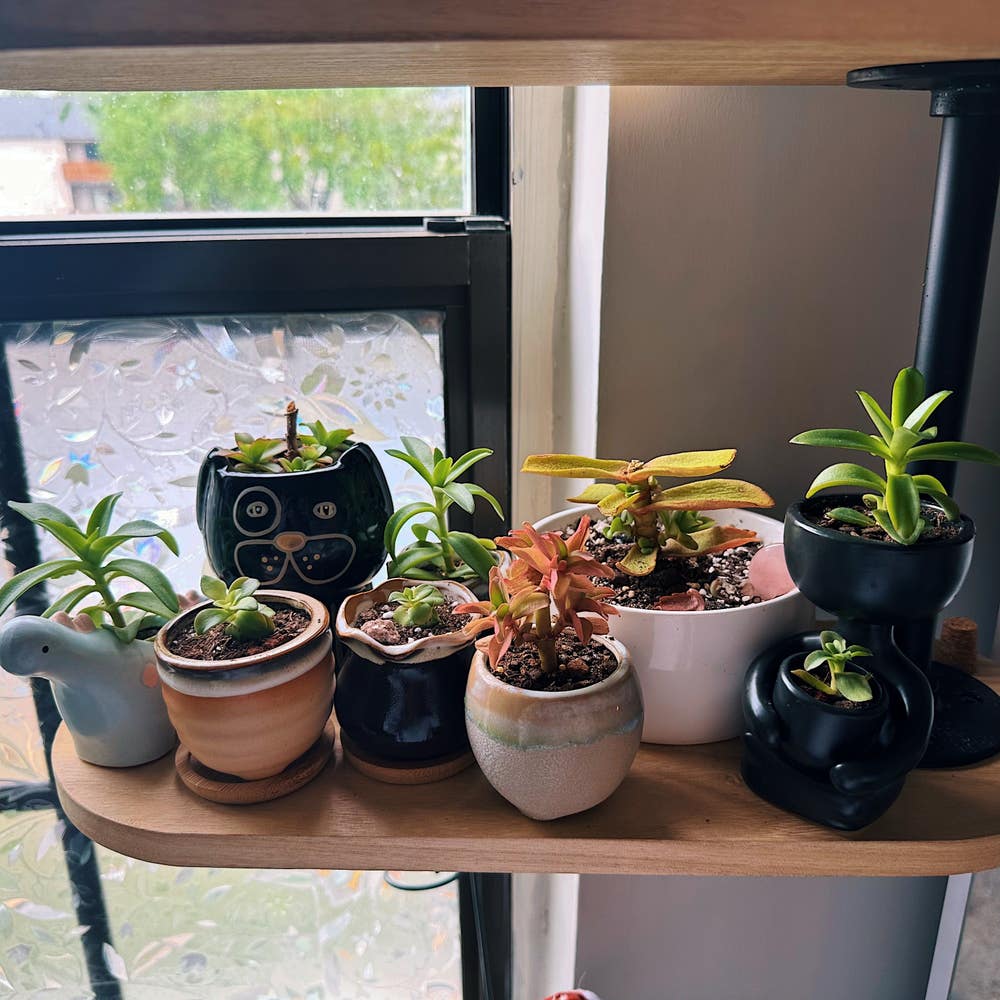
🏯 3 Ideal Companions for Your Pagoda Village Succulent
Crassula capitella 'Campfire'
By the Greg Editorial Team
Oct 04, 2024•5 min read
This article was created with the help of AI so we can cover more plants for you. May contain errors. See one? Report it here.
- 🌵 Echeveria and Haworthia are perfect companions for Pagoda Village Succulent's care needs.
- 🐞 Sedum repels pests like aphids, protecting your Pagoda Village Succulent effectively.
- 🎨 Design your garden with contrasting plants for enhanced visual appeal and health.
Ideal Companions for Pagoda Village Succulent
🌼 Echeveria
Echeveria is a fantastic companion for your Pagoda Village Succulent due to its similar care needs. It thrives in well-draining soil and full sun, requiring minimal watering, which aligns perfectly with the drought-tolerant nature of your succulent.
Visually, Echeveria brings a delightful variety of colors and shapes to your garden. Its unique forms create a harmonious balance alongside the tiered leaves of the Pagoda Village Succulent, enhancing the overall aesthetic.
🛡️ Sedum
Sedum is another excellent choice, known for its pest-repellent properties. It effectively deters common pests like aphids and mealybugs, acting as a natural barrier that protects your Pagoda Village Succulent.
In terms of growth compatibility, Sedum shares similar habits and water requirements. This makes it a perfect complement to the architectural form of your Pagoda Village Succulent, creating a cohesive garden design.
🌱 Haworthia
Haworthia is a low-maintenance companion that shares environmental preferences with the Pagoda Village Succulent. Both plants thrive in similar light and soil conditions, making them ideal partners in your succulent garden.
Adding Haworthia enriches the diversity of your garden. Its unique texture and form not only enhance visual interest but also attract beneficial insects that can aid in pest management, promoting a healthier ecosystem.
Plants to Avoid
🌱 Aloe Vera
Aloe Vera might seem like a great companion, but it can actually cause some issues. Both plants have similar water needs, which can lead to overwatering problems for your Pagoda Village Succulent.
Additionally, Aloe Vera's roots can compete with those of the Pagoda, potentially stunting its growth. It's best to keep these two apart to ensure a thriving garden.
🌳 Ficus
Ficus plants can create more trouble than they're worth in your succulent setup. They tend to produce excessive shade, which can block the sunlight that your Pagoda Village Succulent craves.
Moreover, Ficus can attract pests that may harm your succulent. Avoiding these plants will help maintain a healthy and vibrant garden.
By steering clear of Aloe Vera and Ficus, you can create a more harmonious environment for your Pagoda Village Succulent. Next, let's explore how companion planting can enhance pest management in your garden.
Pest Management through Companion Planting
🌱 How Companion Plants Can Deter Pests
Companion planting is a smart strategy for keeping your Pagoda Village Succulent healthy. Certain plants can naturally repel harmful insects, significantly reducing infestations.
This method not only protects your succulents but also fosters a more resilient garden ecosystem. By planting companions that deter pests, you create a harmonious environment where your plants can thrive.
🐞 Specific Pests That Pagoda Village Succulent May Face
Your Pagoda Village Succulent may encounter a few common threats. Watch out for aphids, mealybugs, and spider mites, as these pests can wreak havoc on your plants.
Being aware of these potential invaders helps you take proactive measures to protect your garden. Early detection is key to maintaining plant health.
🌿 Role of Companion Plants in Maintaining Plant Health
Companion plants do more than just deter pests; they enhance the overall vitality of your Pagoda Village Succulent. By reducing stress on your plants, these companions promote a balanced environment that supports healthy growth.
Incorporating the right companions can lead to a flourishing garden. This synergy not only keeps your succulents safe but also enriches the entire ecosystem.
With the right companion planting strategies, you can enjoy a vibrant and pest-resistant succulent garden. Next, let’s explore how to create a visually appealing arrangement that showcases your plants beautifully.
Visual Appeal and Aesthetic Considerations
🌵 Creating a Visually Appealing Succulent Garden
Designing a succulent garden is all about color, shape, and texture. These elements work together to create a stunning visual experience that draws the eye and enhances your outdoor space.
Layering plants is a fantastic strategy to boost visual interest. By placing taller plants in the back and shorter ones in the front, you create depth and dimension, making your garden feel more dynamic.
🎨 Color and Texture Combinations with Companion Plants
Selecting companion plants that either contrast or complement your Pagoda Village Succulent can elevate your garden's aesthetic. For instance, pairing it with vibrant Echeveria can create a striking visual contrast.
Consider using Sedum for its unique textures. Its fleshy leaves can beautifully offset the tiered structure of the Pagoda Village Succulent, adding richness to your garden's design.
🍂 Seasonal Changes and Their Impact on Visual Appeal
Plants change throughout the seasons, offering a fresh look year-round. Understanding these changes can help you plan for continuous visual interest in your succulent garden.
For example, some succulents may bloom in spring, while others might showcase vibrant foliage in fall. By choosing a diverse array of plants, you can ensure your garden remains captivating no matter the season.
Incorporating these aesthetic considerations will not only enhance your garden's beauty but also create a thriving ecosystem for your plants. Next, let’s explore how companion planting can help manage pests effectively.
⚠️ Safety First
This content is for general information and may contain errors, omissions, or outdated details. It is not medical, veterinary advice, or an endorsement of therapeutic claims.
Always consult a qualified healthcare professional before using any plant as food, medicine, or supplement.
Never eat any plant (or feed one to pets) without confirming its identity with at least two trusted sources.
If you suspect poisoning, call Poison Control (800) 222-1222, the Pet Poison Helpline (800) 213-6680, or your local emergency service immediately.
Spotted an error? Please report it here.
Elevate your Pagoda Village Succulent garden with perfect companions like Echeveria and Sedum 🌱, and let Greg provide you with tailored care tips and pest alerts to keep your plants thriving together!