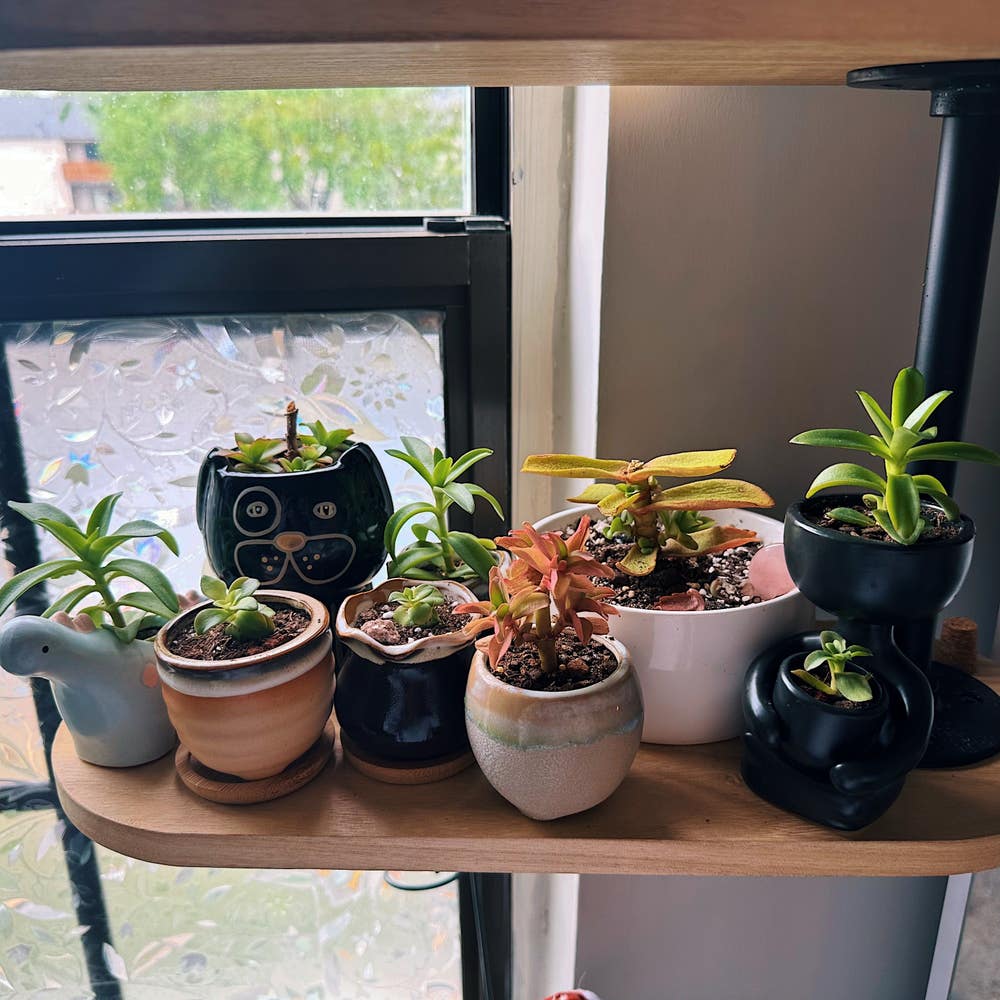
🌵 5 Secrets to Successfully Grow Pagoda Village Succulent
Crassula capitella 'Campfire'
By the Greg Editorial Team
Oct 04, 2024•6 min read
This article was created with the help of AI so we can cover more plants for you. May contain errors. See one? Report it here.
- 🌞 Provide 6-8 hours of sunlight daily to prevent leggy growth in succulents.
- 🌱 Use well-draining soil and pots with drainage holes to prevent root rot.
- 🔄 Rotate pots seasonally for even light exposure and optimal growth.
Choosing the Right Location
🌱 Indoor vs Outdoor Growing
When deciding where to grow your Pagoda Village succulent, consider temperature stability and humidity levels indoors. A consistent environment helps your plant thrive, so keep it away from drafts and heating vents.
Proximity to windows is crucial for natural light. Ideally, place your succulent near a south-facing window to maximize sunlight exposure.
For outdoor growing, assess climate compatibility and hardiness zones. Pagoda Village succulents prefer warm conditions, so ensure your local climate supports their growth.
Protection from extreme weather is essential. If you live in an area with harsh winters or scorching summers, consider using shade cloths or bringing your plant indoors during severe weather.
☀️ Sunlight Requirements and Exposure
Pagoda Village succulents thrive in full sun, requiring 6-8 hours of direct sunlight daily. Insufficient light can lead to stretching or leggy growth, which is a sign your plant is searching for more light.
Adjusting exposure based on seasonal changes is vital. Rotate your pots regularly to ensure even light distribution, helping your succulent maintain a balanced shape and vibrant color.
Soil Preparation
Best Soil Types 🌱
Choosing the right soil mix is crucial for your Pagoda Village succulent's health. A commercial cactus and succulent mix is often the easiest option, providing the right balance of nutrients and drainage.
For those who enjoy a DIY approach, create your own mix using 50% potting soil, 25% coarse sand, and 25% perlite. This combination ensures aeration and prevents compaction, which is vital for succulent roots.
Maintaining the correct soil pH is also essential. Aim for a pH level between 6.0 and 7.0 to promote optimal growth and nutrient absorption.
Importance of Drainage 🚰
Well-draining soil is a game-changer for preventing root rot. Succulents thrive in conditions where excess water can escape, allowing their roots to breathe.
To enhance drainage, consider adding materials like gravel or pumice to your soil mix. Additionally, always use pots with drainage holes to ensure that any excess moisture can easily escape, keeping your plants happy and healthy.
With the right soil and drainage in place, your Pagoda Village succulent will be well on its way to thriving. Next, let’s explore effective planting techniques to set your succulent up for success.
Planting Techniques ((difficulty:easy))
Step-by-Step Planting Guide 🌱
Planting your Pagoda Village succulent is straightforward and rewarding. Follow these simple steps for success:
- Choose the right pot size: Select a pot that is 1-2 inches larger than the root ball.
- Fill the pot with prepared soil mix: Leave enough space for the plant to settle comfortably.
- Position the succulent: Place it at the same depth as it was in the nursery pot.
- Firm the soil around the base: Water lightly to help the plant establish itself.
Container vs. Ground Planting 🏡
Deciding between container and ground planting can impact your succulent's growth. Here’s what to consider:
Advantages of Container Gardening
- Mobility: Easily move pots to optimize sunlight exposure.
- Soil control: Tailor the soil mix to your succulent's needs.
- Pest management: Containers make it simpler to spot and treat pests.
Ground Planting Considerations
- Soil amendments: Enhance garden beds with organic matter for better drainage.
- Spacing requirements: Ensure adequate space between multiple plants to promote airflow and growth.
With these planting techniques, your Pagoda Village succulent will thrive in its new home. Next, let’s explore how to effectively water and fertilize your plants for optimal health.
Watering and Fertilizing
Watering Schedule and Techniques 🌊
Watering your Pagoda Village succulent requires a bit of finesse. Start by allowing the soil to dry out completely between waterings; this prevents root rot and keeps your plant healthy.
Seasonal adjustments are crucial. In winter, reduce your watering frequency since succulents enter a dormant phase and require less moisture.
Techniques for Effective Watering 💧
Employ the deep watering method to ensure moisture reaches the roots. This technique involves soaking the soil thoroughly, allowing excess water to drain out.
Be mindful to avoid getting water on the leaves. This simple step can prevent rot and keep your succulent thriving.
Types of Fertilizers Suitable 🌱
When it comes to fertilizers, choose wisely. A balanced, diluted liquid fertilizer works wonders during the growing season, providing essential nutrients.
For long-term feeding, consider slow-release granules. They offer a steady supply of nutrients without the need for frequent applications.
Timing of Fertilization ⏰
Timing is everything in the world of succulents. Fertilize monthly during spring and summer when your plant is actively growing.
As fall and winter approach, cease fertilization altogether. Your succulent will appreciate the break during its dormancy.
With proper watering and fertilizing techniques, your Pagoda Village succulent will flourish. Next, let’s explore the art of pruning and maintenance to keep your plant in top shape.
Pruning and Maintenance
🪴 When and How to Prune
Pruning is essential for maintaining the health and aesthetics of your Pagoda Village succulent. Start by removing any dead or damaged leaves to promote overall vitality.
To encourage bushier growth, trim back any leggy stems. This not only enhances the plant's appearance but also stimulates new growth.
For effective pruning, always use clean, sharp scissors or pruning shears. Making clean cuts helps prevent disease, ensuring your succulent remains healthy.
🔍 Ongoing Care Routine
Regular inspections are crucial for catching pests and diseases early. Keep an eye out for any signs of trouble, as early intervention can save your plant.
Adjust your care routine based on seasonal changes. Increase watering during the summer months, but remember to reduce it in winter when your succulent is dormant.
By staying attentive and proactive, you can ensure your Pagoda Village succulent thrives year-round. Next, let’s explore common challenges and solutions to keep your succulent in top shape.
Common Challenges and Solutions
🐛 Identifying and Treating Pests
Succulents can fall prey to several common pests, including mealybugs, aphids, and spider mites. These pests can weaken your plants, so it's crucial to spot them early.
To treat infestations, consider using neem oil or insecticidal soap. For minor issues, manual removal can be effective—just wipe the pests off with a damp cloth or gently scrub them away.
💧 Addressing Overwatering and Underwatering Issues
Overwatering is a frequent problem for succulent owners. Look for signs like yellowing leaves and mushy stems, which indicate your plant is drowning.
On the flip side, underwatering can lead to wrinkled leaves and stunted growth. Adjust your watering frequency based on these signs, and always prioritize good soil drainage to keep your succulents thriving.
🌱 Seasonal Care Adjustments
As winter approaches, prepare your succulents for dormancy by reducing watering and stopping fertilization. This helps them conserve energy during the colder months.
In summer, keep an eye out for heat stress. Adjust your watering schedule accordingly to ensure your plants remain hydrated and healthy.
By staying vigilant and making these adjustments, you can tackle common challenges and keep your Pagoda Village succulents flourishing. Next, let’s dive into the essential pruning and maintenance techniques to ensure your plants continue to thrive.
⚠️ Safety First
This content is for general information and may contain errors, omissions, or outdated details. It is not medical, veterinary advice, or an endorsement of therapeutic claims.
Always consult a qualified healthcare professional before using any plant as food, medicine, or supplement.
Never eat any plant (or feed one to pets) without confirming its identity with at least two trusted sources.
If you suspect poisoning, call Poison Control (800) 222-1222, the Pet Poison Helpline (800) 213-6680, or your local emergency service immediately.
Spotted an error? Please report it here.
Grow your Pagoda Village succulent like a pro 🌵 with Greg's tailored care tips and watering reminders that ensure your plant thrives in its perfect environment!