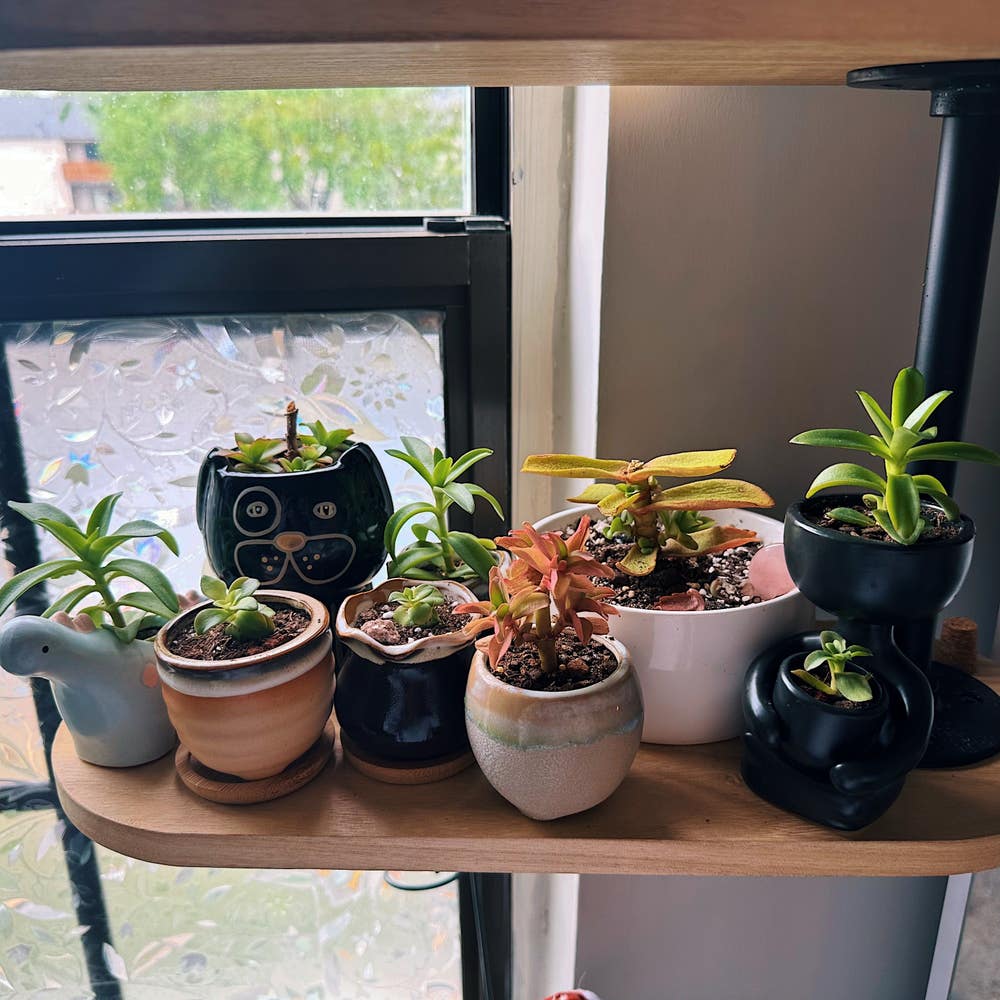
🌵 How to Cure Droopy Leaves on Your Pagoda Village Succulent
Crassula capitella 'Campfire'
By the Greg Editorial Team
Oct 04, 2024•5 min read
This article was created with the help of AI so we can cover more plants for you. May contain errors. See one? Report it here.
- 💧 Overwatering causes droopy leaves; let soil dry and repot if root rot occurs.
- 🌡️ Ideal temperature is 20°C to 30°C; extreme temps lead to drooping.
- 🐛 Inspect for pests regularly; mealybugs and spider mites can worsen droopiness.
Causes of Droopy Leaves
💧 Overwatering: Signs and Solutions
Overwatering is a common culprit behind droopy leaves in your Pagoda Village succulent. Look for yellowing leaves, which indicate excess moisture, and a mushy texture that feels soft and squishy.
If you suspect root rot, check for dark, slimy roots. To remedy overwatering, allow the soil to dry out completely before rewatering. If root rot is present, repot your succulent in fresh, well-draining soil. Always use pots with drainage holes to prevent water accumulation.
🚰 Underwatering: Identifying and Addressing
Underwatering can also lead to droopy leaves. Symptoms include wrinkled leaves that appear shriveled and dry, along with premature leaf drop.
To address underwatering, water thoroughly until excess drains out. Establish a consistent watering schedule based on environmental conditions, and monitor soil moisture levels regularly to keep your succulent happy.
🌡️ Environmental Stress: Temperature and Humidity Effects
Temperature and humidity play significant roles in your succulent's health. The ideal temperature range is between 20°C to 30°C (68°F to 86°F). If temperatures stray too far from this range, you may notice drooping leaves.
Low humidity can lead to dehydration, so consider maintaining indoor humidity levels. Using a humidifier or pebble trays can help create a more suitable environment for your succulent.
🐛 Pest Infestation: Common Pests and Their Impact
Pests can wreak havoc on your succulent, causing droopy leaves as they sap the plant's nutrients. Common offenders include mealybugs, which appear as white, cotton-like masses on leaves, and spider mites, which leave fine webbing and stippled leaves.
These pests weaken your plant by feeding on its sap. Control methods include using neem oil or insecticidal soap for treatment. Regular inspection and early intervention are key to keeping your succulent healthy and pest-free.
Understanding these causes will help you take the right steps to revive your droopy leaves. Next, let’s dive into diagnosing the specific issues affecting your succulent.
Diagnosing Droopy Leaves
👀 Visual Symptoms: What to Look For
When diagnosing droopy leaves on your Pagoda Village succulent, start by observing the leaf color. Yellowing or browning edges often indicate a problem.
Next, check the leaf texture. Softness or wrinkling can signal distress, while the overall plant appearance—like stunted growth or wilting—provides further clues.
💧 Soil Check: Assessing Moisture Levels
To assess soil moisture, employ the finger test. Insert your finger into the soil up to 2 inches; if it feels dry, your plant needs water.
Alternatively, use a soil moisture meter for precise readings. Remember, well-draining soil is crucial to prevent waterlogging, which can exacerbate droopy leaves.
🌿 Leaf Texture and Color Changes
Identifying texture changes is key. Soft, mushy leaves typically indicate overwatering, while wrinkled, dry leaves suggest underwatering.
Color changes also offer insights. Yellow leaves often signal overwatering, whereas brown tips may indicate underwatering or environmental stress.
By carefully observing these symptoms, you can pinpoint the cause of droopy leaves and take appropriate action. Next, we’ll explore immediate actions you can take to revive your succulent.
Treatment and Recovery
🌱 Immediate Actions for Droopy Leaves
First, assess the cause of the droopy leaves. Is it overwatering or underwatering?
Once you've identified the issue, adjust your watering accordingly. If overwatered, reduce the frequency; if underwatered, increase it.
Next, remove any severely damaged leaves. This helps the plant focus its energy on recovery.
📅 Adjusting Watering Schedule
Establish a consistent watering routine. Aim to water every 2-3 weeks during the growing season.
In winter, reduce the frequency to prevent excess moisture. Consider using the Greg plant care app for AI-powered reminders to keep you on track.
🪴 Soil Amendments for Better Drainage
For optimal drainage, use a recommended soil mix of 50% potting soil, 25% perlite, and 25% sand. This combination allows for excellent aeration and prevents waterlogging.
When repotting, ensure the new pot has adequate drainage holes. This simple step can make a significant difference in your succulent's health.
By taking these immediate actions and adjusting your care routine, you can help your Pagoda Village succulent bounce back from droopy leaves. Next, let’s explore preventative measures to keep your plant thriving.
Preventative Measures
Best Practices for Watering Succulents 🌊
Watering your succulents correctly is crucial for their health. Always water deeply but infrequently, allowing the soil to dry out completely between waterings.
Adjust your watering routine with the seasons. During active growth periods, you may need to increase the frequency to keep your plants thriving.
Ideal Soil Mix for Healthy Growth 🌱
A well-draining soil mix is essential for succulent health. You can use a cactus mix or create your own blend with 50% potting soil, 25% perlite, and 25% sand.
The right soil composition prevents root rot and supports robust growth. This simple step can make a significant difference in your plant's vitality.
Regular Monitoring for Pests and Diseases 🔍
Regular inspections are key to keeping your succulents healthy. Aim to check your plants bi-weekly for any signs of pests or diseases.
Implement preventative measures like using organic pest control methods. Maintaining overall plant health is your best defense against infestations.
By following these preventative measures, you'll create a thriving environment for your Pagoda Village succulent. Next, let’s explore how to diagnose droopy leaves effectively.
⚠️ Safety First
This content is for general information and may contain errors, omissions, or outdated details. It is not medical, veterinary advice, or an endorsement of therapeutic claims.
Always consult a qualified healthcare professional before using any plant as food, medicine, or supplement.
Never eat any plant (or feed one to pets) without confirming its identity with at least two trusted sources.
If you suspect poisoning, call Poison Control (800) 222-1222, the Pet Poison Helpline (800) 213-6680, or your local emergency service immediately.
Spotted an error? Please report it here.
Revive your droopy Pagoda Village succulent by mastering its watering routine and environmental needs, and let Greg's tailored reminders and pest alerts help you keep your plant thriving 🌿!