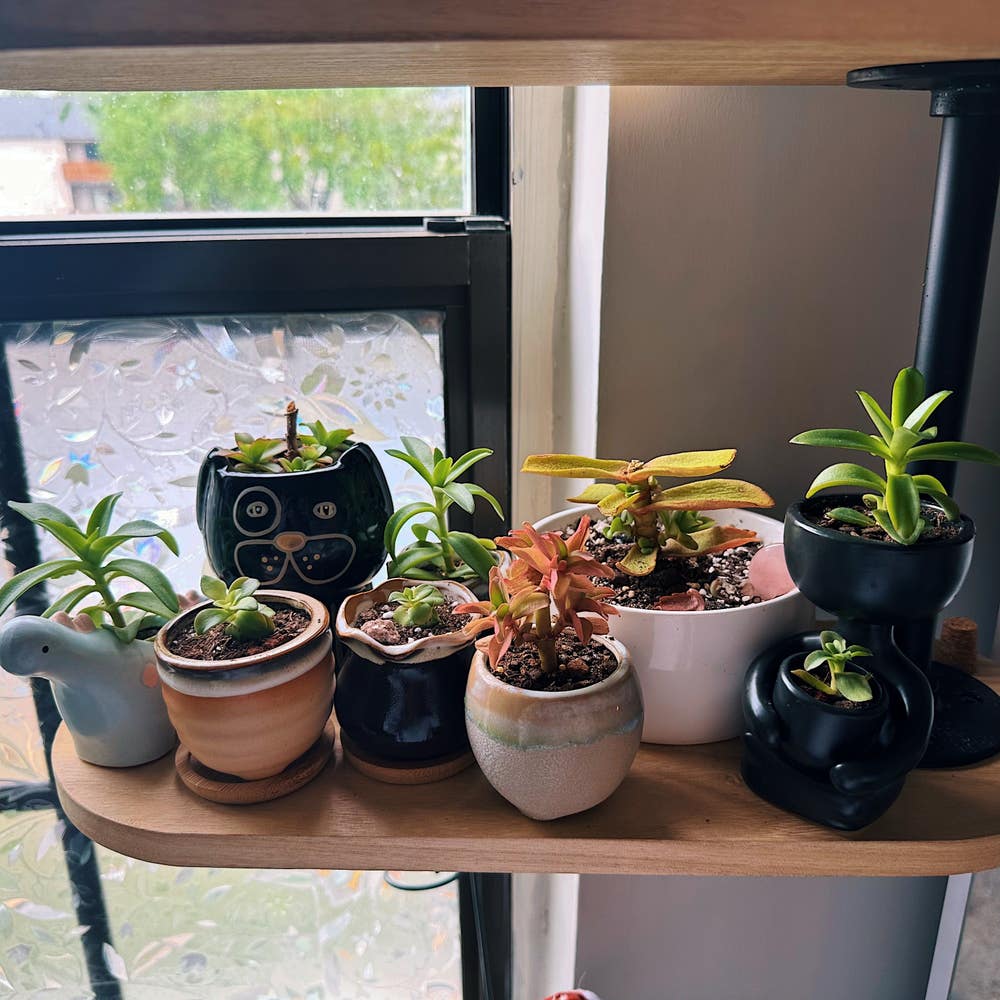
Where to Plant: Pagoda Village Succulent 🌵
Crassula capitella 'Campfire'
By the Greg Editorial Team
Oct 04, 2024•5 min read
This article was created with the help of AI so we can cover more plants for you. May contain errors. See one? Report it here.
- ☀️ Pagoda Village Succulents need 6-8 hours of sunlight for vibrant growth and color.
- 🌱 Well-draining soil is crucial; use sandy loam or cactus mix for best results.
- 🌬️ Wind protection is essential; natural barriers like trees can shield your succulents.
Sunlight Exposure
🌞 Full Sun vs. Partial Shade
Pagoda Village Succulents thrive best with 6-8 hours of direct sunlight each day. This exposure not only promotes robust growth but also enhances the plant's vibrant colors.
☀️ Benefits of Full Sun Exposure
Full sun conditions encourage the succulent to develop a compact shape and rich hues. When basking in sunlight, these plants exhibit their true beauty, making them a stunning addition to any garden.
🌑 Effects of Too Much Shade
If your succulent isn't getting enough light, you may notice elongated stems and pale leaves. These signs indicate that the plant is stretching towards the light, a clear signal it's time to adjust its location.
🕶️ Long-Term Effects of Insufficient Sunlight
Over time, inadequate sunlight can weaken your Pagoda Village Succulent. This vulnerability increases the risk of pest infestations, making it crucial to monitor their light conditions regularly.
By ensuring your succulent receives the right amount of sunlight, you set the stage for a thriving, healthy plant. Next, let’s explore the ideal soil conditions to keep your succulent flourishing.
Soil Type and Conditions
Well-Draining Soil Requirements 🌊
For your Pagoda Village Succulent, soil drainage is crucial. These plants thrive best in sandy loam or a specialized cactus mix, which allows excess water to escape easily.
Recommended Soil Amendments 🧪
To enhance drainage, consider adding perlite or coarse sand to your soil mix. Aim for a pH level that is slightly acidic to neutral, ideally between 6.0 and 7.0, to keep your succulent healthy and vibrant.
By ensuring the right soil conditions, you set the stage for your succulent to flourish. Next, let’s explore how to position your plants for optimal growth.
Proximity to Other Plants and Structures
🌱 Companion Planting Considerations
When planting your Pagoda Village Succulent, consider pairing it with other drought-tolerant succulents and cacti. These companions not only thrive in similar conditions but also enhance the visual appeal of your garden.
Spacing is crucial for healthy growth. Adequate air circulation reduces the risk of disease, allowing your plants to flourish without the threat of rot.
🚫 Avoiding Overcrowding
To ensure optimal growth, maintain a spacing of 12-18 inches between each plant. This distance allows each succulent to access sunlight and nutrients without competing for resources.
Overcrowding can lead to increased humidity around the plants, creating a breeding ground for rot. Keep your garden vibrant and healthy by giving each succulent the space it deserves.
As you plan your succulent garden, remember that thoughtful placement can make all the difference. Next, let’s explore how to assess the best spot for your plants, focusing on sunlight patterns and seasonal changes.
Assessing the Best Spot
🌞 Evaluating Sunlight Patterns
Morning vs. Afternoon Sun
Choosing the right sunlight exposure is crucial for your Pagoda Village Succulent. Morning sun offers gentle light, which helps reduce heat stress and promotes healthy growth.
In contrast, afternoon sun can be intense, especially during peak summer months. This can lead to scorching, so it's essential to monitor how your plant responds to different light conditions.
🍂 Seasonal Changes in Light Exposure
As the seasons change, so do the angles of sunlight. Adjusting your succulent's placement according to seasonal sun patterns can make a significant difference in its health.
Observing light patterns throughout the year is vital. This awareness allows you to optimize your plant's exposure, ensuring it thrives no matter the season.
With the right sunlight conditions, your Pagoda Village Succulent will flourish, setting the stage for the next important factor: wind protection and drainage.
Wind Protection and Drainage
Importance of Windbreaks 🌬️
Wind can be a silent enemy for your Pagoda Village Succulent. Strong gusts can damage delicate leaves and disrupt growth, making windbreaks essential.
Natural vs. Artificial Wind Protection 🌳
Utilizing existing trees or shrubs as natural windbreaks is a great first step. They not only shield your succulents but also enhance the garden's aesthetic.
If natural options are limited, consider installing garden structures like trellises or fences. These artificial barriers can effectively reduce wind exposure and create a more stable environment.
Placement Strategies for Optimal Protection 📍
Positioning your succulents in sheltered areas can significantly minimize wind stress. Look for spots that are naturally protected, such as near walls or larger plants.
Assessing the direction of prevailing winds is crucial for strategic placement. This ensures your succulents receive the best possible protection from harsh weather conditions.
With the right wind protection, your Pagoda Village Succulent will thrive, setting the stage for the next important factor: ensuring proper drainage.
Ensuring Proper Drainage
Assessing Drainage in Potential Planting Spots 🌧️
To ensure your Pagoda Village Succulent thrives, start by evaluating the drainage of your chosen planting spot. A simple technique involves digging a hole about 12 inches deep and filling it with water; observe how quickly it drains.
If water pools or the soil remains soggy for an extended period, you've identified a problem area. These signs indicate poor drainage, which can lead to root rot and other issues.
Solutions for Poor Drainage Areas 💧
If you find yourself in a location with inadequate drainage, don’t worry—there are effective solutions. One popular method is creating raised beds or mounds, which elevate the plant roots above the waterlogged soil.
Additionally, consider incorporating gravel or rocks at the base of your planting holes. This not only improves drainage but also provides a stable foundation for your succulent to flourish.
By ensuring proper drainage, you're setting your Pagoda Village Succulent up for success. Next, let’s explore how to protect these beauties from wind exposure.
⚠️ Safety First
This content is for general information and may contain errors, omissions, or outdated details. It is not medical, veterinary advice, or an endorsement of therapeutic claims.
Always consult a qualified healthcare professional before using any plant as food, medicine, or supplement.
Never eat any plant (or feed one to pets) without confirming its identity with at least two trusted sources.
If you suspect poisoning, call Poison Control (800) 222-1222, the Pet Poison Helpline (800) 213-6680, or your local emergency service immediately.
Spotted an error? Please report it here.
Maximize your Pagoda Village Succulent's health with full sunlight ☀️ and well-draining soil, and let Greg guide you with tailored tips for a thriving garden!