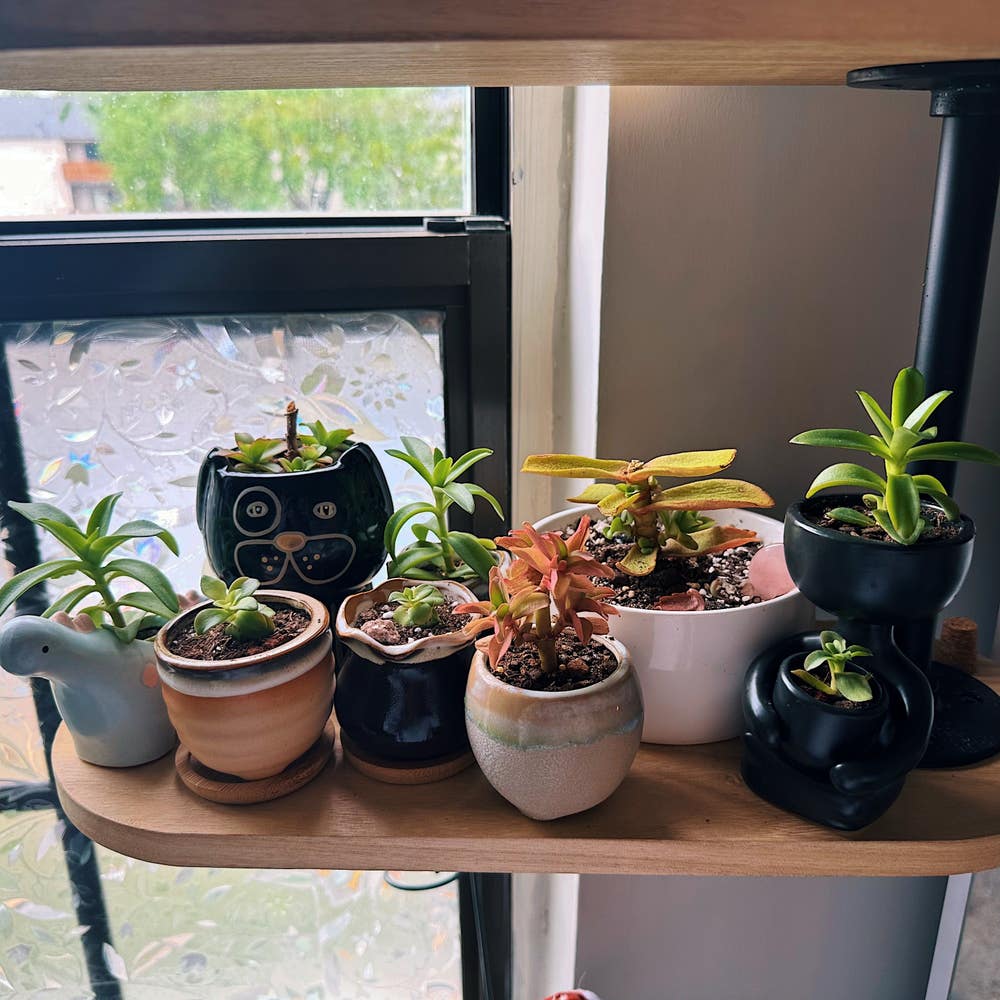
Optimal Hardiness Zones for Pagoda Village Succulent: 9a-11b 🌵
Crassula capitella 'Campfire'
By the Greg Editorial Team
Oct 04, 2024•4 min read
This article was created with the help of AI so we can cover more plants for you. May contain errors. See one? Report it here.
- 🌞 Pagoda Village Succulents thrive in hardiness zones 9a-11b, ideal for warmer climates.
- ❄️ They tolerate cold down to 20°F, but frost can cause severe damage.
- 🌵 Drought-resistant and heat-loving, they excel in hot, dry conditions.
Temperature Tolerance
❄️ Cold Tolerance
Pagoda Village Succulent can withstand temperatures as low as 20°F (-6°C). However, it’s crucial to understand how frost can affect its health.
Frost sensitivity can lead to significant damage, especially if the plant is unprotected. Knowing the first and last frost dates in your area is essential for successful cultivation.
🔥 Heat Tolerance
On the flip side, Pagoda Village Succulent thrives in heat, tolerating temperatures up to 100°F (38°C). This resilience is thanks to its unique adaptations.
The succulent's leaves are designed for water storage, allowing it to survive during dry spells. Additionally, its drought resistance traits make it a champion in hot climates.
Understanding these temperature tolerances is key to ensuring your Pagoda Village Succulent flourishes in your garden. Next, let’s explore the ideal growing regions for this remarkable plant.
Ideal Growing Regions
🌍 Suitable US States
If you're looking to cultivate the Pagoda Village Succulent, certain states shine as the best options. These include:
- California
- Florida
- Texas
- Arizona
These states fall within hardiness zones 9a-11b, making them ideal for this succulent. Their warm climates and minimal frost occurrences create a perfect environment for growth.
🌱 Factors Contributing to Ideal Conditions
To thrive, Pagoda Village Succulents require specific conditions.
- Soil Requirements: They prefer well-draining soil to prevent root rot.
- Climate Characteristics: Low humidity and high sunlight exposure are crucial for their health.
- Seasonal Temperature Patterns: Mild winters and hot summers help maintain optimal growth conditions.
Understanding these factors can significantly enhance your chances of successfully growing this unique succulent. With the right environment, your Pagoda Village Succulent can flourish beautifully.
As you consider where to plant, keep these ideal conditions in mind to ensure your succulent thrives. Next, we’ll explore how microclimates can extend the growing range for these resilient plants.
Microclimates and Their Impact
🌱 Extending Growing Range
Microclimates can significantly expand the growing range for the Pagoda Village Succulent, allowing it to thrive even outside its typical hardiness zones. These localized climate variations create pockets of favorable conditions that can support plant growth in otherwise unsuitable areas.
For instance, a south-facing wall can absorb sunlight and radiate warmth, creating a microclimate that protects the succulent from colder temperatures. Similarly, areas shielded from harsh winds or frost can provide a more stable environment, enhancing the plant's chances of survival.
🌍 Examples of Microclimate Effects
Consider urban gardens where buildings and pavement generate heat, creating warmer conditions than surrounding rural areas. In such settings, Pagoda Village Succulents can flourish, benefiting from the increased warmth and reduced frost risk.
Another example is coastal regions where ocean breezes moderate temperatures. These breezes can prevent extreme heat and cold, allowing succulents to thrive year-round. Understanding and leveraging these microclimates can lead to successful cultivation of Pagoda Village Succulents in diverse environments.
In summary, recognizing the potential of microclimates can empower gardeners to push the boundaries of where these resilient plants can grow. This knowledge not only enhances gardening success but also fosters a deeper appreciation for the intricate interplay between plants and their environments.
As we explore state-level suitability, let’s delve into which regions are best suited for the Pagoda Village Succulent.
State-Level Suitability Analysis
Suitable and Unsuitable States 🌱
When it comes to growing the Pagoda Village Succulent, understanding the hardiness zones is crucial. The ideal states fall within zones 9a to 11b, where the climate supports the succulent's needs.
Ideal States for Growth
- California
- Florida
- Texas
- Arizona
These states boast warm climates with minimal frost occurrences, making them perfect for the Pagoda Village Succulent. The combination of ample sunlight and mild winters creates an environment where these plants can thrive.
Characteristics of Ideal Conditions
The key characteristics of these suitable states include:
- Warm Temperatures: Consistent warmth allows for year-round growth.
- Low Frost Risk: Minimal frost ensures the plants remain unharmed during colder months.
- Well-Draining Soil: Essential for preventing root rot and promoting healthy growth.
Unsuitable States for Growth ❄️
Not all states are friendly to the Pagoda Village Succulent. States in colder zones, such as:
- North Dakota
- Minnesota
These regions face extreme cold and prolonged frost periods, making them unsuitable for this succulent. The harsh winters and unsuitable growing conditions pose significant challenges.
Challenges in Unsuitable States
In colder climates, the Pagoda Village Succulent struggles to survive. The main challenges include:
- Frost Damage: Extended frost can severely damage or kill the plant.
- Limited Growing Season: Shorter growing periods hinder the plant's development.
- Soil Issues: Heavy, poorly draining soils can lead to root problems.
Understanding these factors helps gardeners make informed decisions about where to plant their Pagoda Village Succulent. With the right conditions, these plants can flourish beautifully.
As we explore the next topic, consider how microclimates might extend the growing range for these succulents, even in less-than-ideal states.
⚠️ Safety First
This content is for general information and may contain errors, omissions, or outdated details. It is not medical, veterinary advice, or an endorsement of therapeutic claims.
Always consult a qualified healthcare professional before using any plant as food, medicine, or supplement.
Never eat any plant (or feed one to pets) without confirming its identity with at least two trusted sources.
If you suspect poisoning, call Poison Control (800) 222-1222, the Pet Poison Helpline (800) 213-6680, or your local emergency service immediately.
Spotted an error? Please report it here.
Cultivating thriving Pagoda Village Succulents 🌵 is easy when you leverage Greg's personalized care tips and reminders to meet their unique environmental needs in hardiness zones 9a to 11b!