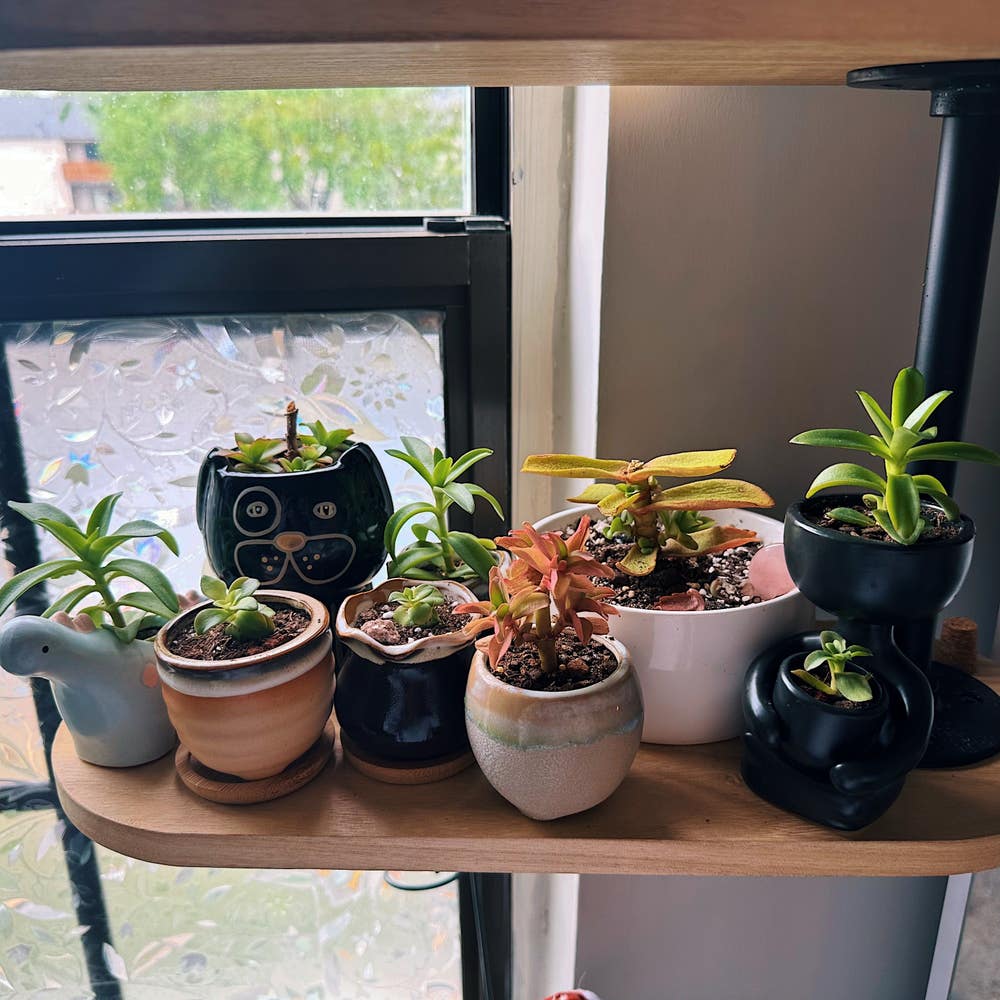
Black Spots on My Campfire Crassula Leaves
Crassula capitella 'Campfire'
By the Greg Editorial Team
Jun 18, 2024•3 min read
This article was created with the help of AI so we can cover more plants for you. May contain errors. See one? Report it here.
- Overwatering leads to black spots; let soil dry between waterings.
- Sunburn can cause spots; provide bright light without overexposure.
- Prevent infections with good airflow, dry leaves, and clean practices.
Spotting the Culprits: Common Causes of Black Spots
💦 Too Much Love: Overwatering Woes
Overwatering is like a love letter gone wrong—it can cause black spots on your Campfire Crassula. The excess moisture creates a playground for root rot and pathogens. If your soil feels more like a wet sponge than a nurturing habitat, it's time to rethink your watering routine.
🌞 Sun Kissed or Sunburnt?
Your plant craves sunlight, but too much can lead to a sunburn, leaving behind black or brown spots that scream "ouch." These spots are often dry and crispy, especially on leaves that get the most sun. If your Crassula is looking more fried than thriving, it's a sign to dial back on the sunbathing.
🦠 Unwanted Guests: Fungal and Bacterial Invasions
Fungal and bacterial infections are like uninvited party crashers, leaving black spots as their calling card. Soft, dark spots or ones with yellow halos are giveaways. High humidity and poor air circulation roll out the red carpet for these microbial gatecrashers. Keep an eye out for these signs and consider the need for better airflow around your plant.

Turning the Tide: Effective Remedies for Black Spots
💧 Drying Out: Balancing Your Watering Habits
💦 Watering Schedule Tips
Adjust your watering routine to allow the soil to dry slightly between sessions. If the leaves droop, it's a sign—too soggy, back off; too dry, time to hydrate.
🚰 Drainage Is Key
Ensure your pot has drainage holes. Mix in perlite or sand to laugh in the face of water retention.
🌥️ Shady Solutions: Managing Sunlight
🌞 Sweet Spot for Sunlight
Your Campfire Crassula needs a bright spot without the burn. Rotate the pot to avoid one-sided tanning sessions.
🕰 Timing the Tan
Move your plant as the seasons shift. Less direct sun in summer, a bit more in winter—like adjusting your wardrobe for the weather.
🐜 Kick Out the Critters: Treating Infections
🍃 Fungal Foes
For early signs, neem oil in the evening is your green thumb's best friend. Advanced issues? Bring out the big guns: systemic fungicides.
🦠 Bacterial Battles
Keep leaves dry and water from the bottom. It's not just advice; it's a plant-saving move.
🛒 DIY vs. Commercial
A homemade baking soda mix can be a wallet-friendly fungus fighter. For tougher cases, commercial products may be the way to go.

Armor Up: Preventive Strategies to Keep Black Spots at Bay
💧 Water Wisdom: Perfecting Your Watering Technique
Watering your Campfire Crassula is less about sticking to a strict schedule and more about understanding its needs. Check the soil before giving it a drink; it should feel dry to the touch. Water at the base to avoid wet leaves, which are a playground for fungi. And remember, drainage is not just a good-to-have, it's essential.
🌞 Light It Right: Preventing Sunburn Before It Starts
Your Crassula loves the sun, but too much can lead to a sunburn. Monitor the light it receives throughout the day. Provide shade during the intense midday sun, especially in summer. As the seasons change, so should your plant's position. It's all about finding that perfect balance of light without the burn.
🌬 Clean and Clear: Promoting Good Airflow and Hygiene
Good airflow is like a breath of fresh air for your Campfire Crassula, helping to keep those black spots in check. Make sure your plant isn't crammed in a corner or suffocating among a jungle of other plants. Cleanliness is also crucial; wipe down leaves and prune away any dead or dying parts to prevent disease spread. And when repotting, always go for sterile soil and clean pots. It's like giving your plant a fresh start.

⚠️ Safety First
This content is for general information and may contain errors, omissions, or outdated details. It is not medical, veterinary advice, or an endorsement of therapeutic claims.
Always consult a qualified healthcare professional before using any plant as food, medicine, or supplement.
Never eat any plant (or feed one to pets) without confirming its identity with at least two trusted sources.
If you suspect poisoning, call Poison Control (800) 222-1222, the Pet Poison Helpline (800) 213-6680, or your local emergency service immediately.
Spotted an error? Please report it here.
Prevent black spots and keep your Campfire Crassula thriving 🛡️ with Greg's custom care plans that perfectly balance watering and sunlight exposure for your plant's unique needs.