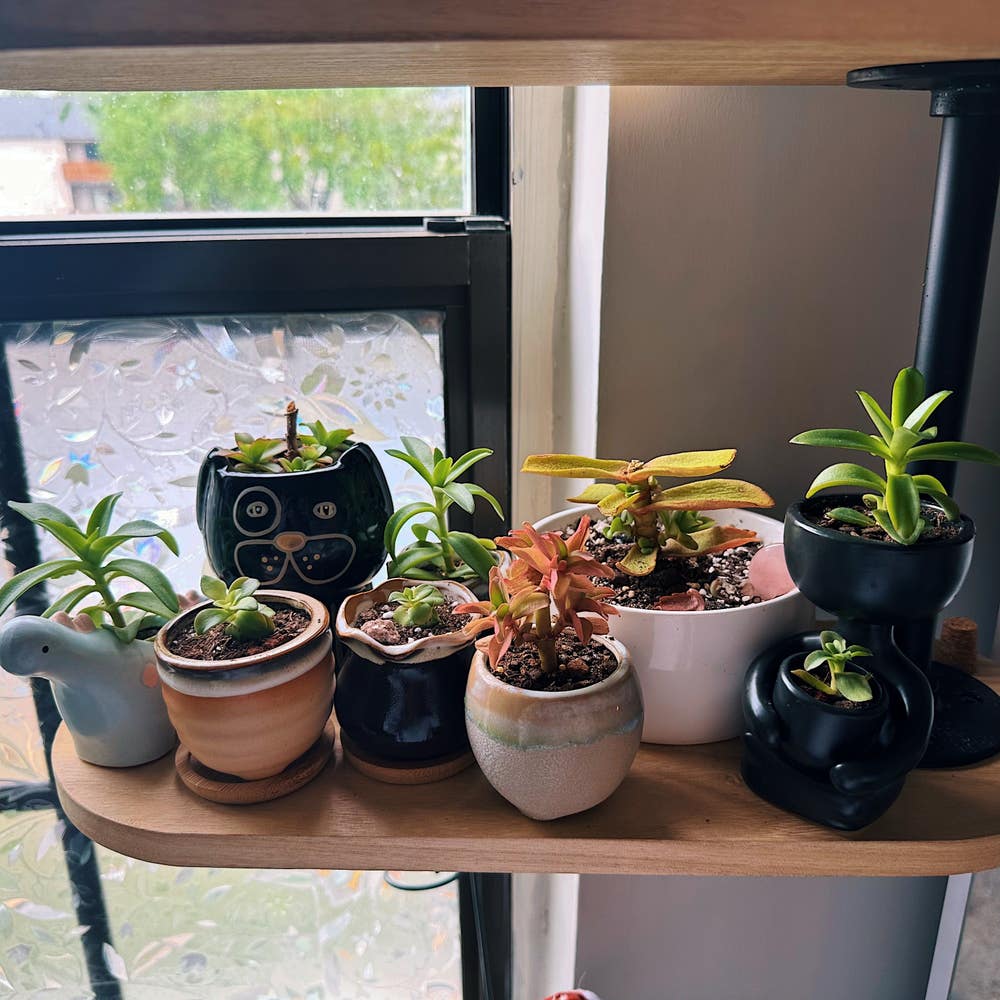
💧 How Often Do I Need to Water My Campfire Crassula?
Crassula capitella 'Campfire'
By the Greg Editorial Team
Jun 18, 2024•3 min read
This article was created with the help of AI so we can cover more plants for you. May contain errors. See one? Report it here.
- Test soil moisture to prevent over or underwatering Campfire Crassula.
- Seasonal watering adjustments are crucial; more in summer, less in winter.
- Observe plant signs like droopy or yellow leaves to gauge water needs.
When to Water: Reading Your Plant's Thirst
💧 Checking Soil Moisture
Test the soil before you water. If it's dry up to 2-3 inches deep, your Campfire Crassula is calling for a drink. For a clean check, use a moisture meter or a simple wooden chopstick. These tools are your allies in the quest to avoid over or underwatering.
👀 Observing Plant Signals
Your plant's got a visual language all its own. Droopy leaves are a cry for hydration, while yellowing or mushy stems scream 'too much!' Keep an eye out for these signs and adjust your watering accordingly. Remember, balance is key, and your plant's appearance is a treasure map to its needs.

The Impact of Environment on Watering Rhythms
🏡 Home and Hearth: Indoor vs. Outdoor Settings
Indoor Campfire Crassulas demand a watchful eye for watering. Shielded from the elements, these succulents rely on you to mimic nature's hydration cycle. Outdoor counterparts, however, may get a sip from the skies, but beware of drenching downpours that could overwhelm them.
🌦 Seasonal Shifts: Summer Sips and Winter Whiffs
Summer's blaze ups the ante on watering, with your Crassula's thirst peaking in the heat. Come winter, it's more about the occasional quench as growth slows and the plant enters a restful phase. Adjust your watering to the rhythm of the seasons, not the calendar.
🌱 Potting Mix and Planter Perks
The right soil mix is your secret weapon in water management. Aim for a blend that's well-draining yet retains enough moisture for those roots to drink up. Your choice of container also matters—terra cotta breathes, reducing the risk of soggy soil, while plastic pots hold moisture longer, requiring a lighter touch with the watering can.

Watering Techniques: From Drip to Deep Soak
💧 The Art of Bottom Watering
Bottom watering is a roots-first approach, promoting deep root growth. Here's how to nail it:
- Place your Campfire Crassula in a tray filled with water.
- Let the plant drink up from below until the soil's top feels moist.
- Remove the plant and let excess water drain away.
💦 Top Watering Tips
Top watering is more than just a splash; it's a calculated drizzle. To do it right:
- Water evenly around the plant base, avoiding the leaves.
- Stop when water begins to escape through the drainage holes, signaling a thorough soak.

Troubleshooting: Too Much Splash or Not Enough Dash?
🌊 Spotting Trouble: Overwatering vs. Underwatering
In the delicate world of plant care, overwatering is the equivalent of a flooded basement – it's messy and nothing good comes of it. Your Campfire Crassula will show signs like yellowing leaves or a general look of unhappiness. If the soil feels more like a wet sponge that's been left in the sink rather than just pleasantly damp, you've gone too far. Conversely, underwatering turns your plant into a parched desert wanderer, with leaves as dry and crispy as autumn leaves on a sidewalk.
Fine-Tuning Your Watering Strategy
Getting your watering strategy on point is like finding the perfect coffee strength – it's personal and might take some tweaking. Observe your plant's feedback; if it perks up after watering, you're on the right track. If it starts looking like it's wearing yesterday's wilting salad, dial back on the H2O. Remember, your plant's needs change with the seasons and its environment. It might need a drink more often during a heatwave or less when it's cooler. Keep your watering can in check and your plant will thank you by not turning into a botanical cautionary tale.
⚠️ Safety First
This content is for general information and may contain errors, omissions, or outdated details. It is not medical, veterinary advice, or an endorsement of therapeutic claims.
Always consult a qualified healthcare professional before using any plant as food, medicine, or supplement.
Never eat any plant (or feed one to pets) without confirming its identity with at least two trusted sources.
If you suspect poisoning, call Poison Control (800) 222-1222, the Pet Poison Helpline (800) 213-6680, or your local emergency service immediately.
Spotted an error? Please report it here.
Avoid turning your Campfire Crassula into a cautionary tale by letting Greg customize 📅 your watering reminders based on the seasons and your home environment for perfect hydration every time!