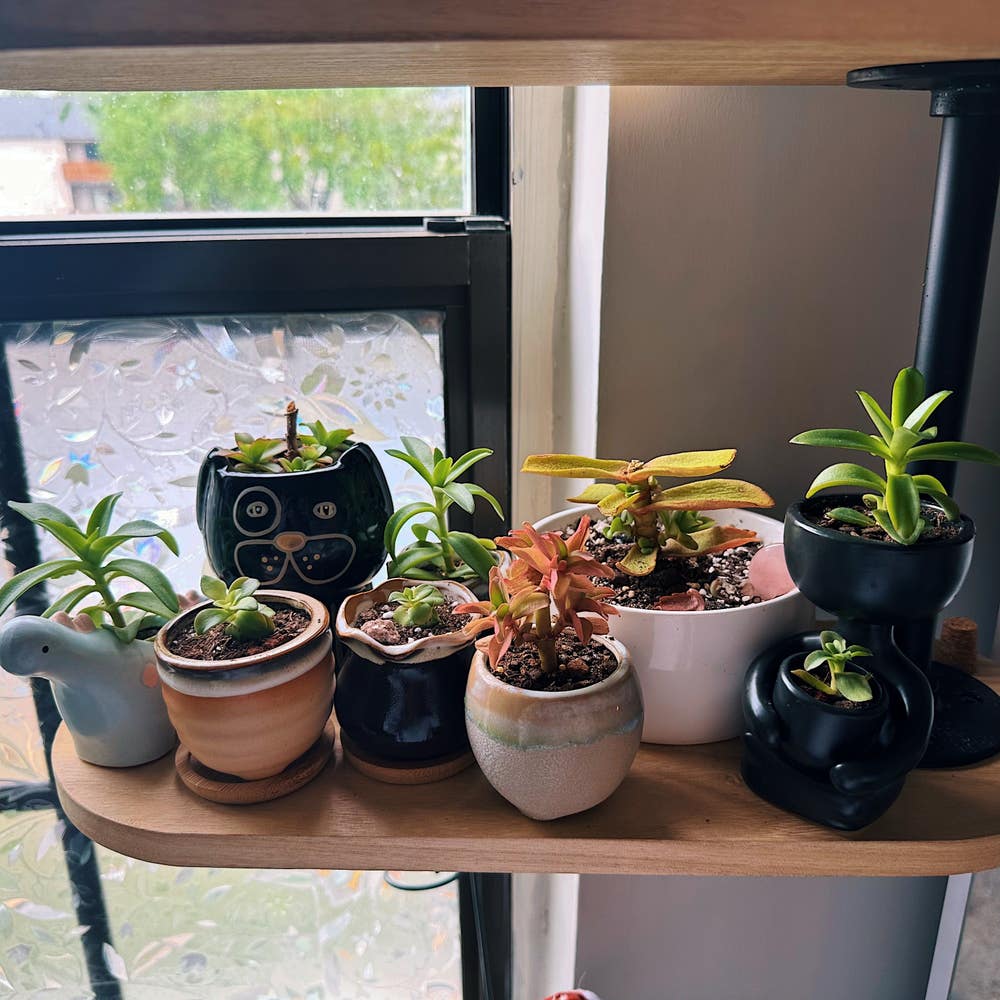
Why Are My Campfire Crassula Leaves Curling?
Crassula capitella 'Campfire'
By the Greg Editorial Team
Jun 18, 2024•5 min read
This article was created with the help of AI so we can cover more plants for you. May contain errors. See one? Report it here.
- 🌱 Leaf curling signals distress in Campfire Crassula, often due to care issues.
- ☀️💧 Balance sunlight and watering to prevent curling from too much or too little.
- 🕵️♂️ Inspect roots and for pests regularly to maintain plant health and prevent curling.
Spotting the Signs: When Your Campfire Crassula Needs Help
🍃 Recognizing Leaf Curling
Leaf curling in Campfire Crassula isn't a new yoga trend; it's a distress signal. Look for leaves folding inwards, as if they're trying to hug themselves. This behavior is your cue to play plant detective.
🕵️ Common Culprits Behind the Curl
💧 Water Woes: Hydration and Soil Snafus
Overwatering is the equivalent of giving your plant water wings; it doesn't need them and won't thank you for it. Telltale signs include a pot that's suspiciously heavy and leaves that are yellower than a highlighter. On the flip side, underwatering turns leaves brittle, like they've been through a leafy apocalypse.
🐜 Pests: Uninvited Guests
Pests such as spider mites and mealybugs treat your Crassula like an all-you-can-eat buffet. If you see tiny webs or white cottony clumps, it's time for pest control boot camp.
🌿 Environmental Stressors
A Campfire Crassula's leaves curling more than a fiddlehead fern in spring could mean it's getting too much sun or not enough humidity. The goal is to find that Goldilocks zone of just-right conditions.
🚨 Early Distress Signals
Keep an eye out for early warnings like discoloration or stunted growth. Catching these signs early can prevent the full-blown leaf-curling crisis.

Sunburnt or Shady: Light's Role in Leaf Curling
⛅️ Too Much Sun
Campfire Crassula leaves curling? Sunburn could be the culprit. These succulents enjoy light, but direct sunlight is a no-go. It's like a beach day without sunscreen – leaves curl up, trying to shield themselves from the intense rays. To mitigate this, provide bright, indirect light. A sheer curtain can work wonders, diffusing the harsh sunlight while still keeping your plant in its happy place.
💡 Not Enough Light
Conversely, insufficient light makes Campfire Crassula leaves reach and curl, a desperate attempt to soak up more sun. Pale, elongated leaves are a sign your plant is starved for light. To correct this, move your plant closer to a light source but ensure it's not too direct. Remember, it's about finding that sweet spot where your plant gets enough light without feeling like it's in the spotlight. Rotate your plant periodically for even growth and prevent one-sided leaf curling.

Thirsty or Drowning: Watering Woes and Leaf Curling
🌊 The Perils of Overwatering
Overwatering your Campfire Crassula can lead to leaf curling. This happens when roots are so swamped they can't take in oxygen or nutrients. The leaves curl downwards, a silent SOS from your plant. To fix this, let the soil dry out before watering again, and ensure your pot has adequate drainage. It's a balancing act—too much water and you're drowning it, too little and you're leaving it parched.
🏜️ The Risks of Underwatering
On the flip side, underwatering causes leaves to curl upwards, conserving moisture in a last-ditch effort to survive. If the soil feels like a dry wasteland and the pot is as light as your post-holiday wallet, it's time to water. But don't just drench it; water slowly and deeply to encourage roots to grow downward. Regular checks of soil moisture can prevent your plant from becoming a crispy critter.

Getting to the Root: Soil and Root Health
🌱 Soil Quality and Drainage
Well-draining soil is not just a luxury; it's a necessity for Campfire Crassula. Without it, you're basically giving your plant a pair of concrete shoes—not ideal. To avoid this, mix in some grit or perlite to your soil. This isn't a one-time fix; think of it as a regular check-up for your plant's home.
🔍 Root Check
When it's time for a root inspection, don your detective hat. Gently remove your plant from its pot and examine the roots. Healthy roots are firm and white, while rotten roots are mushy and dark. If you find the latter, it's time for surgery—snip the bad parts away. Afterward, repot with fresh, well-draining soil and consider it a fresh start. Remember, overwatering is like a death hug for roots, so embrace the "soak and dry" method to keep them happy.
Defending Your Plant: Pests, Diseases, and Prevention
🐛 Identifying Pests and Diseases
Visual cues are your first hint that pests or diseases have gatecrashed your Campfire Crassula party. Aphids might be the culprits if you see leaves curling, puckering, or taking on a distorted, sad look as they suck out the plant's essence. Caterpillars leave behind holes and their calling cards in the form of black droppings. Spider mites, the ninjas of the pest world, spin thin webs and leave leaves looking pale and under the weather.
🛡️ Prevention and Treatment
Prevention is your plant's best friend. Keep a hawk's eye on your green buddy with regular inspections, especially under those leaves. It's like checking for monsters under the bed – you never know what's lurking. If you spot pests, a blast of water or an application of neem oil might just be the hero you need. For fungal foes, good air circulation and avoiding wet leaves are your armor; consider copper spray as your sword. And remember, the best offense is a good defense – keep your plant strong and healthy to fend off the party crashers.
⚠️ Safety First
This content is for general information and may contain errors, omissions, or outdated details. It is not medical, veterinary advice, or an endorsement of therapeutic claims.
Always consult a qualified healthcare professional before using any plant as food, medicine, or supplement.
Never eat any plant (or feed one to pets) without confirming its identity with at least two trusted sources.
If you suspect poisoning, call Poison Control (800) 222-1222, the Pet Poison Helpline (800) 213-6680, or your local emergency service immediately.
Spotted an error? Please report it here.
Keep your Campfire Crassula thriving by recognizing distress signals and adjusting care with Greg's personalized reminders 🛠, ensuring your succulent stays curl-free and healthy!