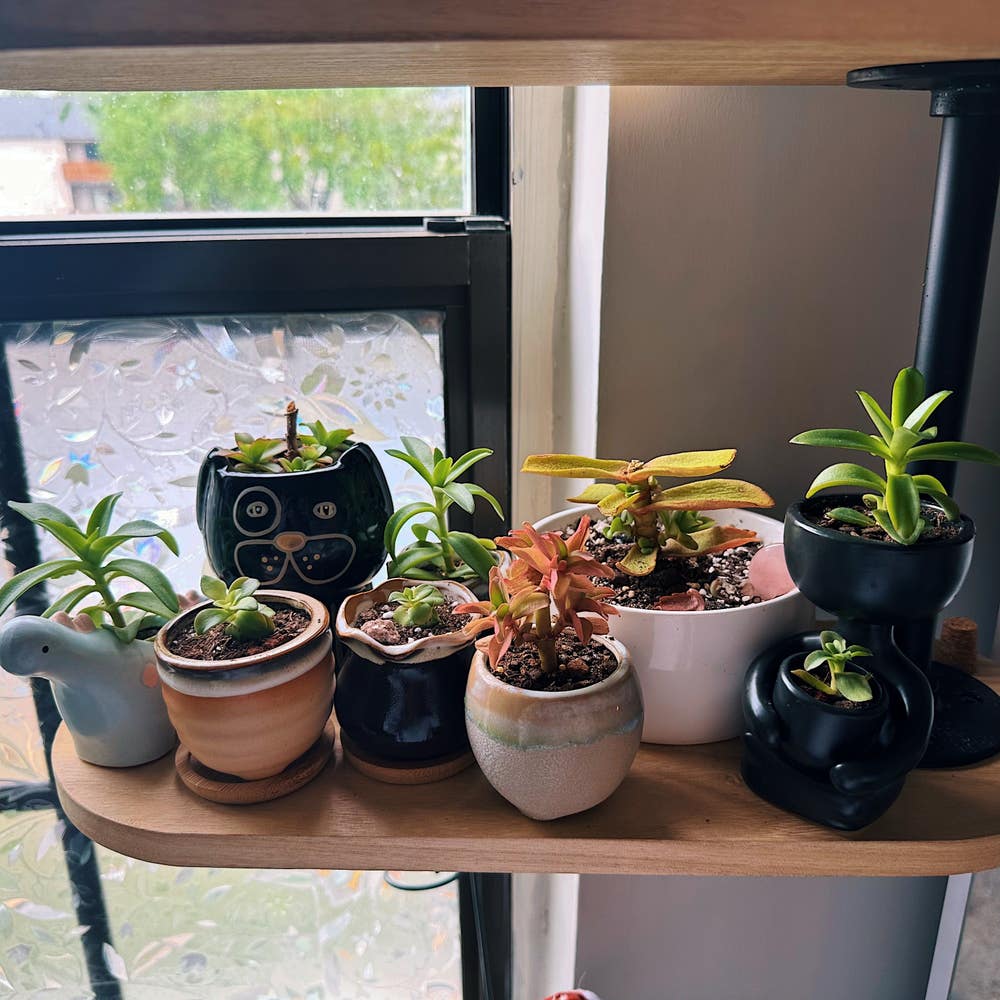
Why Is My Campfire Crassula Dropping Leaves?
Crassula capitella 'Campfire'
By the Greg Editorial Team
Jun 18, 2024•4 min read
This article was created with the help of AI so we can cover more plants for you. May contain errors. See one? Report it here.
- Overwatering? Stop watering, check roots, repot with well-draining soil.
- Underwatering signs: Leaves curl inward, turn brown. Adjust watering schedule.
- Bright, indirect light and 18-24ºC keep Campfire Crassula healthy.
When Too Much Love Drowns: Overwatering Woes
🚰 Spotting Overwatering Signs
Yellowing leaves are your plant's white flag, signaling surrender to excessive moisture. Brown spots encircled by a yellow halo scream 'help' in plant language. If the soil emits a musty odor, it's a distress call from the microbial life suffocating below. A pot that feels heavier than your conscience after skipping the gym is waterlogged.
🚑 Saving an Overwatered Plant
First, halt all watering; give your plant a break from the drink. Gently remove it from its pot to inspect the root health. If you encounter mushy or black roots, it's time for surgery—snip the damaged parts with sterilized scissors. Let the root system air out, then repot with fresh, well-draining soil. Ensure the pot has unobstructed drainage holes; they're as vital as a lifeguard at a pool party. Resume watering with a measured approach, only when the topsoil feels like a dry handshake, not a wet fish.

Thirsty for Attention: The Underwatering Problem
🚰 Recognizing Underwatering Symptoms
Your Campfire Crassula could be sending distress signals if it's not getting enough water. Watch for leaves curling inward, a sign they're trying to conserve moisture. If the tips are turning brown and crispy, like a piece of toast that's seen too much toaster, it's time to act. Soil dryness is another giveaway; if the top inch feels like a desert, your plant is parched. Don't wait for wilting; by then, your Crassula is already on a thirst strike.
Quenching Your Plant's Thirst
To remedy underwatering, adjust your watering schedule. This isn't about sticking to a rigid calendar but responding to your plant's needs. When the soil's top layer feels dry, it's time for a drink. Use a moisture meter if you're unsure; it's like a hydration translator for your plant. And remember, consistency is key. If you're forgetful, set a watering reminder on your phone. It's better to water deeply and less frequently than to give shallow sips that don't reach the roots. Think of it as a satisfying gulp for your plant, not just a wetting of its whistle.

A Balancing Act: Light and Temperature Factors
🌞 Finding the Sweet Spot for Sunlight
Campfire Crassula demands bright, indirect light to flourish. Direct sunlight can be a harsh critic, leading to leaf scorch, while too little light turns its vibrant leaves into a dull performance. Position your plant where it can bask in the glow without the burn, like a spot near a window with sheer curtains. Rotate the plant regularly to give each side its moment in the spotlight.
❄️ Keeping the Chill Away
Consistent temperature is the unsung hero for your Campfire Crassula. Aim for a stable range, ideally between 18-24ºC (64-75ºF), to keep your plant from throwing a temperature tantrum. Steer clear of drafty windows and air vents that could blast your plant with an unwanted cold front or a desert-like heat wave. It's about creating a microclimate that doesn't swing to extremes—think of it as setting the perfect stage for your plant's ongoing show.

Unwanted Guests: Tackling Pest Infestations
🐛 Identifying Common Culprits
Pests are the uninvited guests of the plant world, and your Campfire Crassula is no exception. Speckled leaves or a sticky residue are the red flags of an infestation. Common perpetrators include spider mites, mealybugs, and scale insects. They're tiny but mighty, causing significant damage if left unchecked. Regular inspections of the undersides of leaves and stems are crucial for early detection. If you spot any tiny bugs or webbing, it's time to take action.
🌿 Natural and Chemical Defenses
When it comes to evicting these pests, think of insecticidal soaps and neem oil as the bouncers of the botanical club. They're effective yet gentle on your plant. For more stubborn cases, a targeted miticide might be necessary. Always follow the label instructions to the letter—this isn't the time for creative experimentation. Remember, overuse of any product can lead to pest resistance, so consider rotating treatments. As a preventative measure, keep the area clean and prune any affected leaves to maintain plant health and deter future infestations.
⚠️ Safety First
This content is for general information and may contain errors, omissions, or outdated details. It is not medical, veterinary advice, or an endorsement of therapeutic claims.
Always consult a qualified healthcare professional before using any plant as food, medicine, or supplement.
Never eat any plant (or feed one to pets) without confirming its identity with at least two trusted sources.
If you suspect poisoning, call Poison Control (800) 222-1222, the Pet Poison Helpline (800) 213-6680, or your local emergency service immediately.
Spotted an error? Please report it here.
Keep your Campfire Crassula thriving 🌿 with Greg's personalized watering schedules and pest management tips, ensuring you avoid the pitfalls discussed in this article.