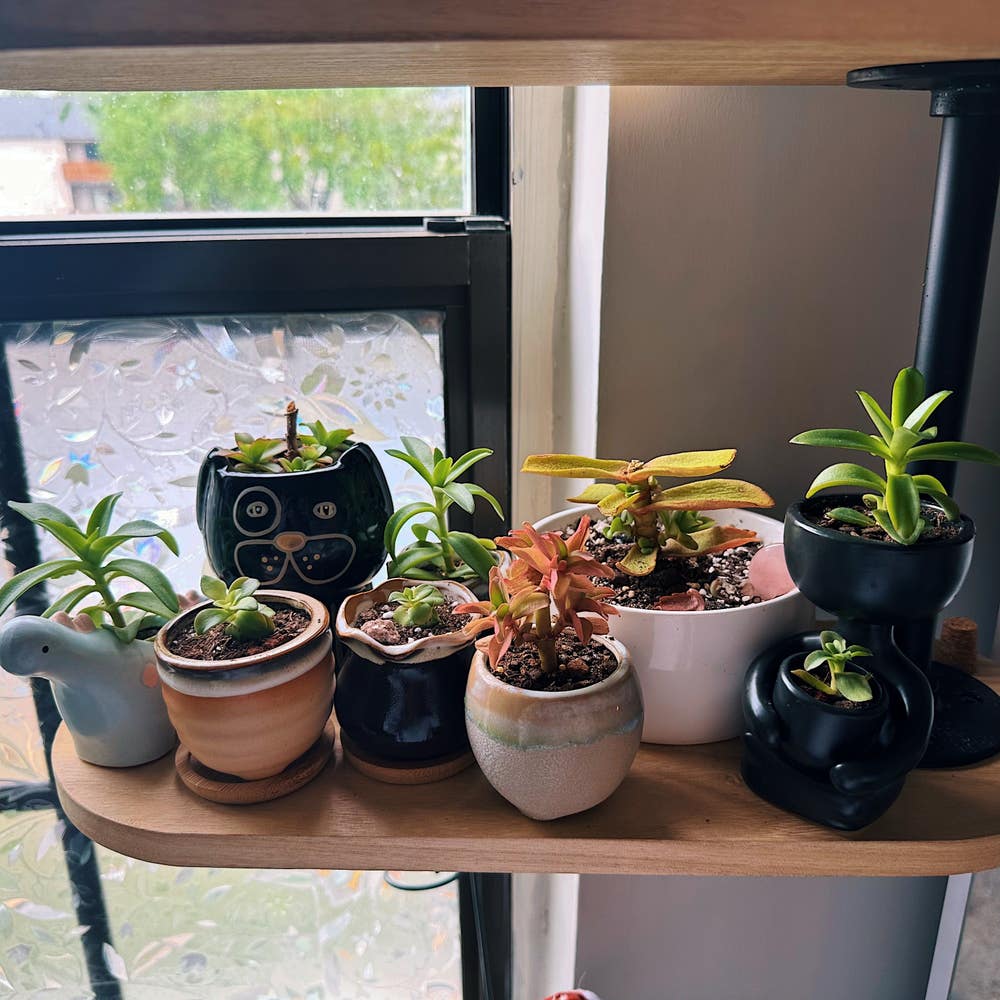
🔥 What Do Campfire Crassula Flowers Mean?
Crassula capitella 'Campfire'
By the Greg Editorial Team
Jun 18, 2024•3 min read
This article was created with the help of AI so we can cover more plants for you. May contain errors. See one? Report it here.
- Sunlight is key: At least 6 hours daily for Campfire Crassula blooms.
- Ideal temperature 65-75°F: Blooms in spring and summer.
- Balanced care: Proper watering, soil, and pruning enhance flowering.
Decoding the Blooms: What Campfire Crassula Flowers Tell Us
🌺 The Language of Flowers in Succulents
Campfire Crassula, with its fiery foliage, is more than just a visual treat. When it blooms, it's like receiving a secret message from nature. The white flowers that emerge are not just ornamental; they're a sign of the plant's well-being, a nod to the attentive care it's received.
🌍 Cultural Tidbits: Campfire Crassula in Tradition
In various cultures, flowers carry deep meanings. While Campfire Crassula may not have a specific traditional symbolism, its vibrant red leaves can be associated with strength and passion, making it a powerful emblem in any cultural narrative. It's a plant that doesn't whisper—it roars with color.

The Recipe for Radiant Blooms
💡 Light: The Ultimate Flower Power
Campfire Crassula thrives on sunlight. To coax out those fiery blooms, ensure your plant basks in at least 6 hours of sunlight daily.
🌅 Positioning for Perfection
Location is everything. Strike a balance between morning warmth and afternoon shade to protect from harsh rays. Consider the east or west-facing windows for indoor plants, where the light is bright but not direct.
🌡️ Temperature and Time: Seasonal Secrets to Success
Ideal Temperature Range
Campfire Crassula flowers best in temperatures ranging from 65-75°F (18-24°C). Too hot and the plant stresses; too cold and it won't flower.
🌸 Blooming on Time
Expect blooms in spring and summer when the plant naturally hits its growth stride. Patience is key; nature can't be rushed.

Nurturing Nature: Care Tips for Flowering
💧 Water Wisdom: Quenching Thirst for Blooms
To strike a balance in watering your Campfire Crassula, think of it as a Goldilocks scenario – not too much, not too little, just right. Overwatering is the fast track to root rot, while underwatering will leave your plant high and dry, literally. The trick is to water when the top inch of soil feels dry to the touch.
Quality of water counts too. If your tap water is a mineral cocktail, switch to filtered or rainwater to avoid those unsightly brown tips.
🌱 Soil and Supplementation: Feeding the Flames
Choosing the right soil mix is like picking a mattress for a good night's sleep; it needs to be comfortable yet supportive. For Campfire Crassula, that means well-draining soil that's rich enough to feed the roots without causing water to pool. Organic matter like compost or manure can jazz up a standard mix.
When it comes to fertilizer, think of it as a spice – a little goes a long way. A balanced, slow-release fertilizer applied in the growing season can encourage those blooms. Just don't go overboard; too much can harm more than help.

Boosting Blooms: Advanced Tips for Flower Enthusiasts
🌱 Pruning for Prolific Blooms
Pruning isn't just about shaping; it's strategic. Trimming your Campfire Crassula can redirect energy to the flowers, not just the foliage. Snip away the excess to concentrate growth where it counts. Prune during the growing season, typically spring or early summer, to encourage more blooms. Remember, don't prune when your plant is stressed, like during extreme temperatures.
💧 Fertilization Fine-Tuning
Post-pruning, it's time to fertilize. Think of it as a motivational speech for your plant, spurring it to put energy into blooming. But here's the kicker: over-fertilizing is a no-go. It can lead to a leafy beast with no flowers. Use a balanced fertilizer, and follow the mantra 'less is more.' The best time to fertilize is after you've pruned, giving your plant the nutrients it needs to focus on those vibrant blooms. Keep an eye out for budding signs and adjust your care to support the flowering process.
⚠️ Safety First
This content is for general information and may contain errors, omissions, or outdated details. It is not medical, veterinary advice, or an endorsement of therapeutic claims.
Always consult a qualified healthcare professional before using any plant as food, medicine, or supplement.
Never eat any plant (or feed one to pets) without confirming its identity with at least two trusted sources.
If you suspect poisoning, call Poison Control (800) 222-1222, the Pet Poison Helpline (800) 213-6680, or your local emergency service immediately.
Spotted an error? Please report it here.
Nurture your Campfire Crassula to a vibrant bloom and celebrate its strength 🌺 with Greg's personalized care reminders for the perfect balance of sun, shade, and nutrients.