How Do I Fix Cretan Brake Root Rot?
Pteris cretica
By the Greg Editorial Team
Jun 14, 2024•6 min read
This article was created with the help of AI so we can cover more plants for you. May contain errors. See one? Report it here.
Rescue your Cretan Brake from root rot's deadly embrace 🌿—learn life-saving care and prevention now!
- Identify root rot early with yellow leaves and mushy roots.
- Stop watering, prune, and isolate to address root rot immediately.
- Recovery requires well-draining soil and careful environmental control.
Identifying Root Rot in Cretan Brake
Recognizing early signs of root rot in your Cretan Brake is crucial for its survival.
🚨 Early Indicators
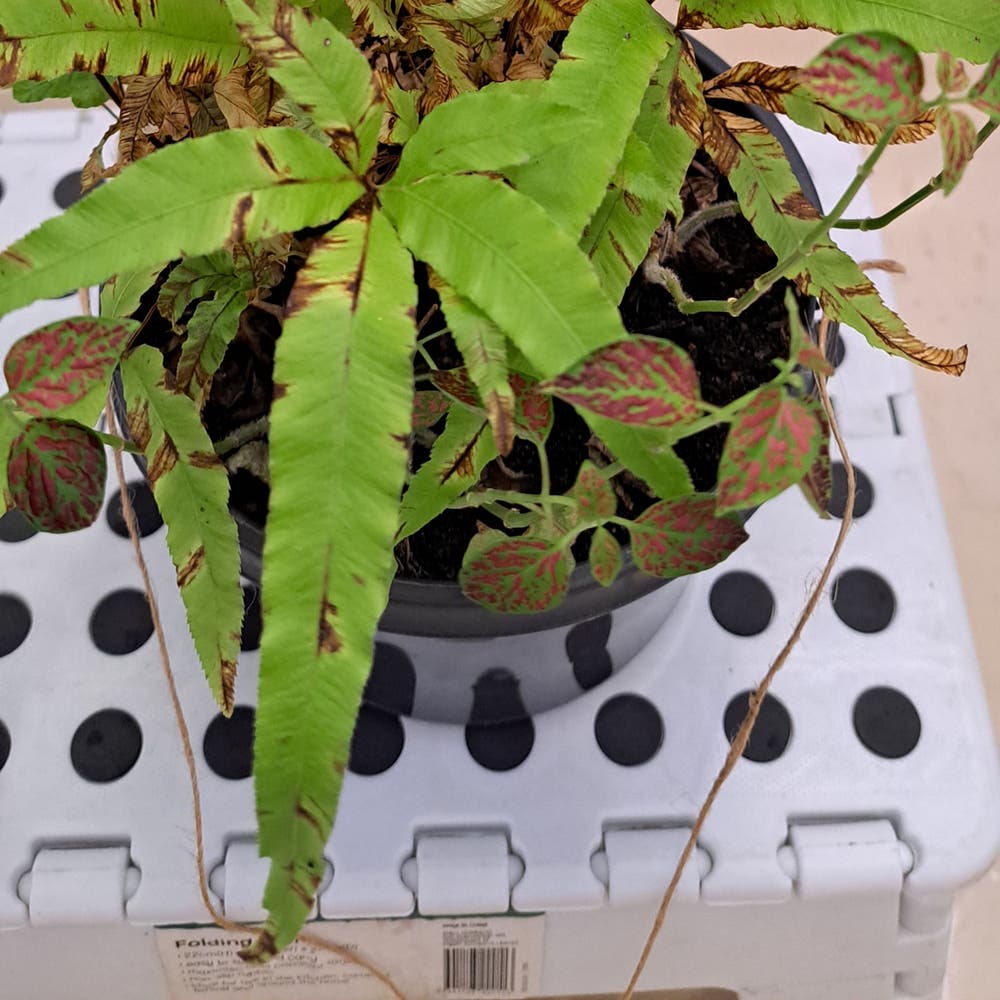
Look out for yellowing leaves, which could be your plant's cry for help. If the leaves are dropping like flies at a swatter party, take note. A general appearance of the plant being under the weather, such as wilting or droopy leaves, is a red flag.
🔍 Root Inspection
Time to play detective with the roots. Gently remove the plant from its pot—no yanking, please. Healthy roots should be firm and white, not brown or black and mushy like overcooked pasta. If they crumble to the touch, it's a bad sign.
🚨 Additional Symptoms
Be on the lookout for smelly soil—a healthy plant doesn't reek like last week's leftovers. Stunted growth can also indicate root rot is playing villain.
👀 Visual Clues
Sometimes, the damage is visible. Blackened areas on the roots or a whitish bloom of spores at the base of the stem are tell-tale signs. Use a hand lens if you fancy, but don't ignore what you see with the naked eye.
Remember, catching these symptoms early could mean the difference between a thriving Cretan Brake and a plant obituary.

Immediate Actions to Alleviate Root Rot
💧 Adjusting Watering Practices
Stop watering immediately. Your Cretan Brake's roots are drowning, and it's time to throw them a lifeline. Let the soil dry out completely before you even think about giving it another drink.
🚫 Isolate the Plant
Quarantine is not just for humans. Move the affected Cretan Brake away from its plant buddies to prevent any root rot contagion. This is no time for socializing.
✂️ Inspect and Trim
Pull out the plant and shake off the excess soil like you're shaking off last year's bad vibes. Get down and dirty with the roots, trimming away the mushy, dark parts. Remember, only healthy, white roots should stay.
🧼 Sterilize Your Tools
Before and after playing surgeon with your plant's roots, sterilize your tools. A dip in rubbing alcohol or a bleach solution will do. You wouldn't want to spread the root rot equivalent of the common cold.
🌱 Repot with Care
Once you've excised the rot, give your plant a fresh start in well-draining soil. Think of it as moving into a new apartment with better amenities.
🍄 Fungicidal Support
After the trim, treat the remaining roots with a copper-based fungicide. It's like giving your plant a vaccine against further fungal attacks.
📊 Monitor and Adjust
Keep an eye on your plant like it's the season finale of your favorite show. Adjust environmental factors like light and temperature to ensure your Cretan Brake has the best shot at a comeback tour.

Treating Root Rot in Cretan Brake
When your Cretan Brake's roots start resembling overcooked spaghetti, it's time to spring into action. First, yank that plant out of its pot like you're pulling a rabbit out of a hat. But here's where the magic really happens: prune the damaged roots. Snip away the mushy offenders with sterilized scissors—think surgery, not arts and crafts.
✂️ Pruning the Affected Roots
Get your tools sterilized; we're talking alcohol swabs or a bleach solution. You're not just giving the plant a haircut, you're saving its life. Cut back the rot until you hit healthy tissue, but don't get snip-happy. Remember, less is more.
🌿 Applying Fungicides
Next, it's fungicide time. Choose your weapon wisely—copper-based or systemic fungicides like mefenoxam are your allies here. Follow the label directions like it's a treasure map, because overdoing it can be worse than not doing it at all. Apply with care, avoiding a heavy hand.
🌱 Post-Pruning Care
Once the bad bits are in the bin, let the roots air out a bit before repotting. Think of it as a spa day for your plant's roots. When you repot, use fresh, well-draining soil to give your Cretan Brake the fresh start it deserves.
👀 Ongoing Vigilance
After the operation, keep a watchful eye on your green patient. Monitor the plant like it's under house arrest, ensuring it gets the right amount of water and light. Overwatering is the fast track back to root rot city, so let's not book a return ticket.
Remember, clean tools and keen eyes are your best defense in the battle against root rot. Keep your gardening tools as clean as your kitchen utensils, and don't let your plants sit in soggy soil unless you want a repeat performance.

Recovery Care for Cretan Brake Post-Root Rot
After a bout with root rot, Cretan Brake ferns need a stable environment to bounce back. Avoid direct sunlight and drastic temperature changes. Hold off on watering for a week or two, giving the plant time to acclimate to its new surroundings.
💧 Environmental Adjustments
Ensure the Cretan Brake is in a space with consistent humidity—it's like a spa for the fern's roots. The soil should be neutral to acidic and rich in organic matter, mimicking the plant's natural habitat.
🌱 Fertilization Strategy
When it comes to fertilization, think of it as a precision strike rather than carpet bombing. Balanced fertilization is key; use a diluted water-soluble fertilizer only after new growth appears. Overdoing it can overwhelm the plant, much like a kid in a candy store with no supervision.
👀 Monitoring and Maintenance
Keep an eye on the plant like it's the quiet kid in class who might be plotting something. Rotate the pot occasionally for even growth and to prevent disease—consider it a well-rounded education for your fern. Remember, the road to recovery is not a sprint; it's a marathon with careful pacing.
🌿 Long-Term Care
Long-term vigilance is crucial. Regular monitoring and early intervention can prevent a relapse. It's not just about saving the plant; it's about nurturing it back to its former glory.
Preventing Future Root Rot in Cretan Brake
💧 Best Practices for Watering and Soil Maintenance
Watering your Cretan Brake isn't a "set it and forget it" deal. It's more like a delicate dance. Check the soil before you water; if it's dry, go ahead. If not, step away from the watering can. Overwatering is a surefire way to drown your plant's roots in sorrow.
To prevent a soggy disaster, ensure your potting mix would impress a drainage expert. Well-draining soil is your plant's best friend, keeping those roots snug but not swimming. And those pots with holes at the bottom? Non-negotiable. They're the difference between a healthy root system and a swampy mess.
👀 Regular Monitoring and Early Intervention Strategies
Keep an eye on your plant like it's the crown jewels. Regular inspections can catch the early signs of trouble, allowing you to act before root rot rears its ugly head. And if you spot something off, don't dilly-dally—intervene.
Rotate your pots occasionally. It's not just to give your plant a new view but to promote even growth and prevent disease. Think of it as a little workout for your plant, keeping it fit and disease-resistant.
Lastly, remember that seasons change, and so should your watering habits. Less is more when it's cooler, and adjust accordingly when the heat is on. It's all about balance, folks. Keep that in check, and your Cretan Brake will thank you by not rotting away.
⚠️ Safety First
This content is for general information and may contain errors, omissions, or outdated details. It is not medical, veterinary advice, or an endorsement of therapeutic claims.
Always consult a qualified healthcare professional before using any plant as food, medicine, or supplement.
Never eat any plant (or feed one to pets) without confirming its identity with at least two trusted sources.
If you suspect poisoning, call Poison Control (800) 222-1222, the Pet Poison Helpline (800) 213-6680, or your local emergency service immediately.
Spotted an error? Please report it here.
Nurse your Cretan Brake back to health from root rot by catching early signs and following precise care steps, with Greg's 🌿 tailored reminders keeping you on track for a lush recovery.