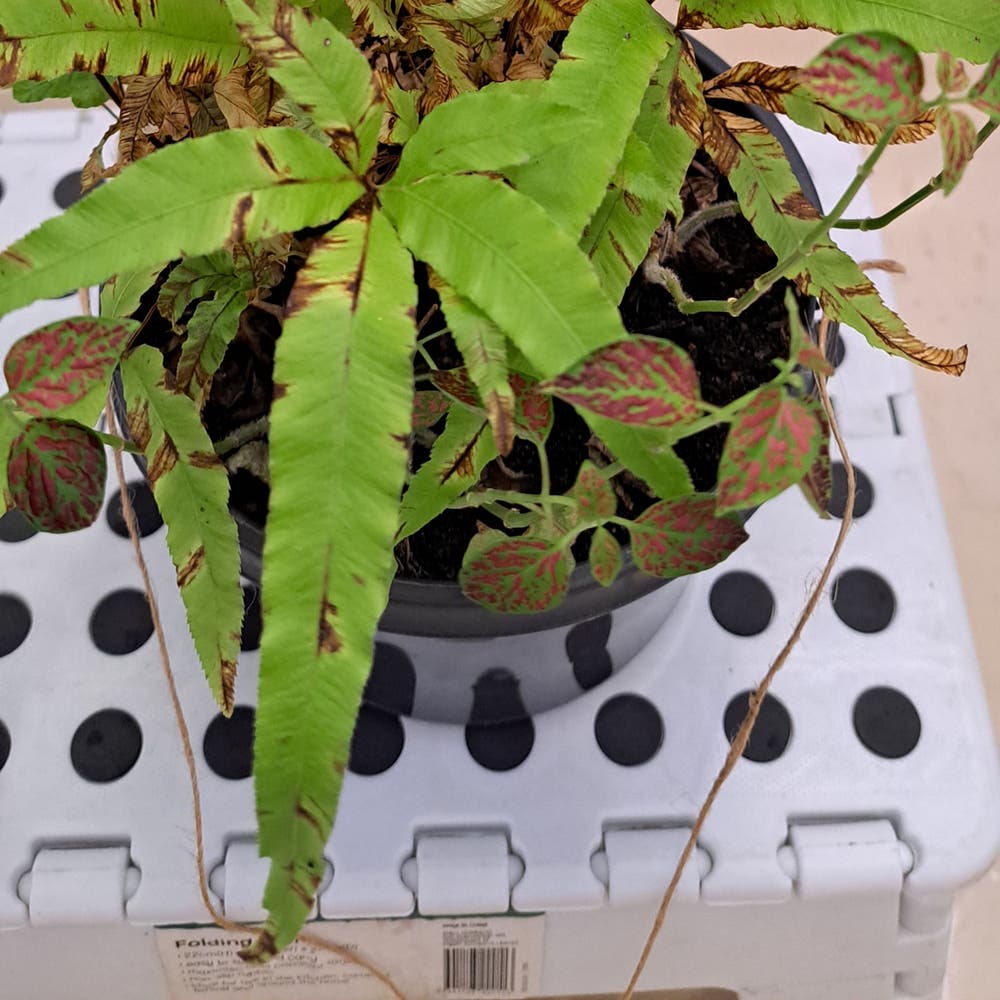
💧 Why Are My Cretan Brake Leaves Mushy?
Pteris cretica
By the Greg Editorial Team
Jun 14, 2024•6 min read
This article was created with the help of AI so we can cover more plants for you. May contain errors. See one? Report it here.
Prevent mushy Cretan Brake leaves 🍂 by tackling overwatering and fungal foes with our expert guide.
- Overwatering and fungi cause mushy Cretan Brake leaves; check roots for clues.
- Improve drainage and airflow to prevent water retention and fungal growth.
- Act fast at first mushiness to avoid tougher issues like root rot later.
Identifying Mushy Leaves in Cretan Brake
Recognizing the warning signs of mushy leaves in your Cretan Brake is crucial for its survival. When leaves start to feel like they've been soaked in water for too long, you're likely dealing with overwatering. Look for a soggy texture, yellowing, and a general droopiness that screams "I've had too much!"
💦 Overwatering Effects
Overwatering can turn your Cretan Brake into a sad, wilted mess. Yellow or brown leaves that fall off at the slightest touch are crying out for help. If the stems remind you of overcooked pasta, it's time to reevaluate your watering habits.
🍄 Fungal Disease Symptoms
Don't mistake all mushiness for overwatering; fungal diseases love to crash the party in damp conditions. Brown spots with a yellow halo or leaves that look like they've given up on life can signal an infection. If the soil smells like a forgotten gym locker, fungus might be the uninvited guest.
🚀 Quick Tips
- Check the roots: If they're darker than your morning coffee and squishy, you've overdone it with water.
- Boost airflow: This isn't just about watering; it's about creating an environment where fungal spores can't throw a rave.
- Be proactive: At the first sign of mushiness, take action. It's easier to prevent a problem than to fix one.

Overwatering as a Cause for Mushy Leaves
Recognizing the tell-tale signs of overwatering in your Cretan Brake is crucial. Mushy leaves may begin with a yellow halo around brown spots or edges, and if the plant stem feels more mush than mighty, you've got a problem.
💦 The Impact of Excess Water
Overwatering creates a fungal playground in the soil, leading to root rot. This condition hampers the plant's ability to absorb nutrients, causing leaves to become soft, discolored, and eventually mushy.
Steps to Restore Plant Vigor
- Prune damaged leaves immediately; they won't recover, and removing them allows the plant to focus on healthy growth.
- Let the soil dry out before you water again. Stick a finger in the soil; if it's damp, skip the watering can.
- Improve soil drainage by mixing in sand or perlite. This helps prevent water retention that can spell disaster for your Cretan Brake.
- Ensure proper airflow around the plant to reduce humidity and discourage fungal growth.
- If the plant is potted, check that the pot has adequate drainage holes. No holes, no hope.
- Repot the plant if necessary, using fresh, well-draining soil to give it a new lease on life.
Remember, your Cretan Brake doesn't need a swimming pool at its roots. Keep it on the drier side to maintain those firm, fabulous leaves.

Fungal Diseases Leading to Mushy Leaves
🍄 Recognizing Fungal Culprits
Brown spots and mushy roots are tell-tale signs your Cretan Brake is under fungal siege. Fungi like Botrytis cinerea and Pythium species love to throw a decay party at your plant's expense, leading to soft, mushy leaves that signal a serious SOS.
🛡️ Combat Strategies
Fungicides are your go-to weapons against these microscopic marauders. Copper-based or organic solutions, like a mix of milk powder and white oil, can be effective. Always apply with a warrior's precision, following label instructions to the letter.
💨 Airflow is Key
Boosting airflow around your Cretan Brake is like cutting off the fungi's oxygen supply. It's a simple yet potent move to keep the party-crashers at bay.
🚰 Keep It Dry
Remember, overwatering is like sending fungi an engraved invitation. Keep the soil on the drier side to avoid unwanted guests.
👀 Regular Inspections
Stay vigilant. Regularly inspect your plant for any signs of fungal freeloaders. Early detection means you can kick them out before they take over.
🚫 Isolate the Infected
If you spot an outbreak, isolate the affected plant. It's not being antisocial; it's about protecting the rest of your green gang from a fungal takeover.

Corrective Measures for Waterlogged Soil
💧 Adjusting Watering Schedules
Watering habits need a shake-up. It's not about sticking to a schedule; it's about adapting to your plant's needs. Before you water, do the finger test—stick it into the soil up to your second knuckle. If it's damp, hold off on the H2O.
🚰 Enhancing Soil Drainage
Drainage holes are non-negotiable. If your pot's lacking them, it's time for an upgrade. Mix in some perlite or coarse sand to your soil to boost its drainage game. It's like giving your plant's roots a breathable workout outfit.
🌱 Soil Mix Adjustments
Seasons change, and so should your soil mix. Add more organic matter like compost in the wetter months to avoid a waterlogged mess. In drier times, consider a mix that retains just enough moisture without becoming a swamp.
🌬️ Aeration Techniques
Don't let your soil become as compact as yesterday's trash. Aerate it to let those roots breathe. Use a fork or a specialized tool, but be gentle—no one likes a rough massage.
🏺 Container Choices
Terracotta pots are the unsung heroes here. They wick away moisture and prevent your plant from drowning in its own drink. Plus, they've got that earthy vibe going on.
🛡️ Proactive Measures
Be the guardian of your plant's hydration. Monitor the soil's moisture like it's the latest social media trend. And remember, when it comes to water, sometimes less is more. Keep your plant's feet dry, and you'll both be happier for it.
Cultural Practices to Prevent Leaf Mushiness
💨 Air Circulation and Humidity Control
Airflow is crucial. Like a breath of fresh air in a stuffy room, it prevents the stagnation that invites fungal gatecrashers. Crack a window or employ a fan to keep the air moving. Humidity should hit that sweet spot—not too muggy, not too arid. Think of it as setting the mood for healthy growth without the drama of mold.
🌿 Location and Potting Mix Selection
Location matters. Your Cretan Brake should live where the light is just right—bright but filtered, like a good Instagram post. Now, the potting mix is where you lay the foundation for success. Opt for a mix that's light, drains well, and yet holds onto just enough moisture to keep the roots from thirsting. A dash of peat moss or organic matter can retain that essential moisture without turning your pot into a swamp.
👀 Observational Vigilance and Cleanliness
Stay sharp. Regular checks for signs of overwatering are like keeping tabs on a sneaky cat—it's all about prevention. Prune away the old, the dead, the drama—keeping your plant's living space clean is like decluttering your mind; it does wonders for health and happiness.
🌱 Mulching and Soil Management
Mulch, but think of it as a light blanket rather than a winter coat. It should protect without smothering. And when it comes to soil, adding organic matter is like upgrading to a premium service—it improves texture and water retention, making for a happier plant.
🚑 Immediate Steps to Treat Mushy Leaves
If the damage is done and the leaves have turned to mush, it's time for triage. Reach for organic solutions first, like neem oil, but don't shy away from the heavy hitters like copper fungicides if needed. Suit up with your PPE and follow the instructions like you're defusing a bomb—precision is key.
⚠️ Safety First
This content is for general information and may contain errors, omissions, or outdated details. It is not medical, veterinary advice, or an endorsement of therapeutic claims.
Always consult a qualified healthcare professional before using any plant as food, medicine, or supplement.
Never eat any plant (or feed one to pets) without confirming its identity with at least two trusted sources.
If you suspect poisoning, call Poison Control (800) 222-1222, the Pet Poison Helpline (800) 213-6680, or your local emergency service immediately.
Spotted an error? Please report it here.
Keep your Cretan Brake's leaves firm and fabulous 🍂 by using Greg to nip overwatering and fungal issues in the bud, ensuring your plant's health is always on track!