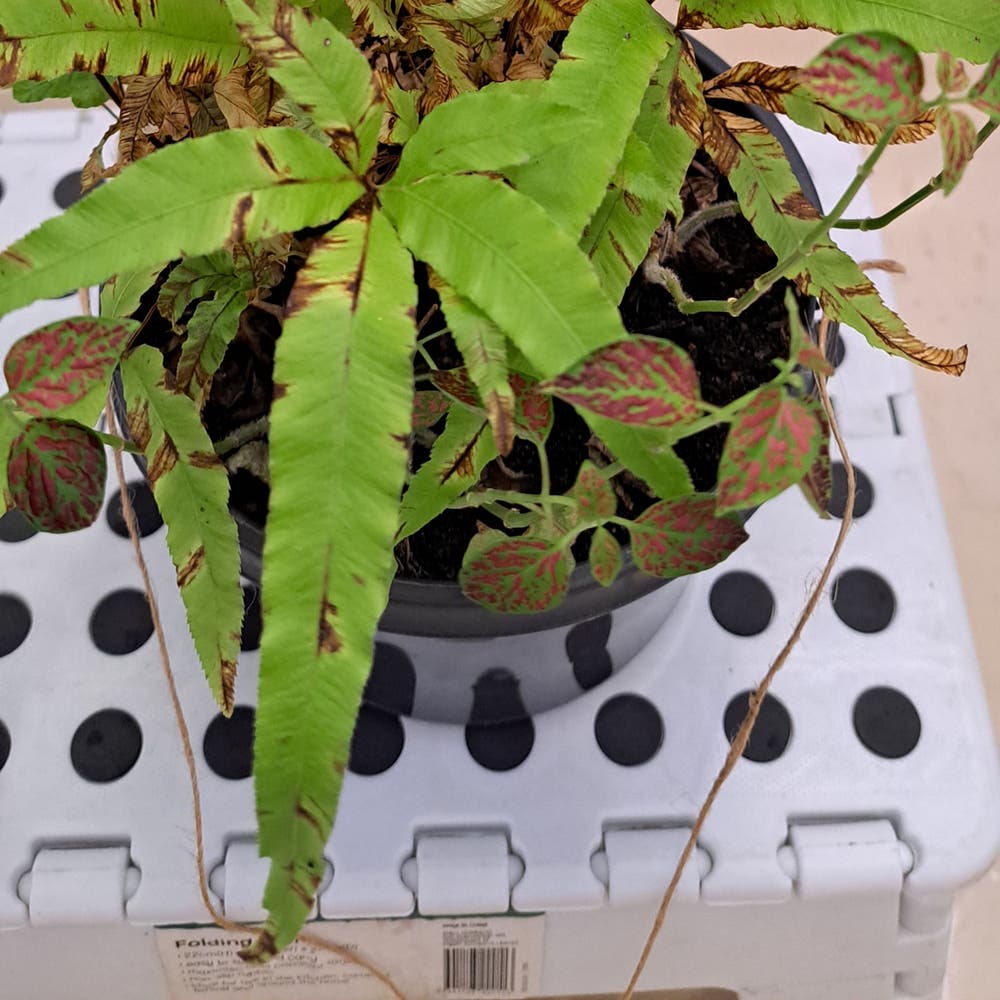
Ultimate Guide to What's Eating Your Jersey Fern 🐛
Pteris cretica
By the Greg Editorial Team
Sep 29, 2024•7 min read
This article was created with the help of AI so we can cover more plants for you. May contain errors. See one? Report it here.
Safeguard your beautiful Jersey Fern 🌿 from hungry herbivores while nurturing a thriving garden ecosystem!
- 🌿 Jersey Fern attracts herbivores; young shoots are especially vulnerable in spring.
- 🦌 Deer and rabbits are primary threats; use fencing and repellents to deter them.
- 🐦 Beneficial animals like bees help; create habitats to attract them while protecting ferns.
Description and Appeal of Jersey Fern
Appearance 🌿
The Jersey Fern is a stunning addition to any garden, boasting distinctive lacy fronds that can grow up to 3 feet tall. Its bright green color and feathery texture create a lush, inviting look, making it a favorite for shaded areas.
This fern's growth habit forms dense clumps, providing a natural, layered aesthetic that enhances the beauty of any landscape. Whether used as a ground cover or a focal point, its visual appeal is hard to resist.
Most Appealing Parts to Animals 🐾
Young shoots of the Jersey Fern are particularly tender and nutritious, making them a prime target for hungry herbivores. The soft texture of the fronds also attracts various animals, eager to nibble on this delightful greenery.
While the fern is a feast for wildlife, it’s essential to consider how to protect it from these eager diners. Understanding what draws animals to the Jersey Fern can help you devise effective strategies for safeguarding this beautiful plant.
Common Herbivores Affecting Jersey Fern
🦌 Deer
Signs of Presence
Deer are often the most noticeable culprits when it comes to Jersey Fern damage. Look for distinctive hoof prints in muddy areas and dark, pellet-like droppings scattered near the ferns.
Type of Damage
These animals are notorious for browsing on fronds, stripping leaves and leading to stunted growth. Their appetite can quickly decimate fern populations.
Beneficial or Harmful Interaction
Interactions with deer are generally harmful. They can significantly reduce the health and density of your fern garden.
Deterrent Methods (difficulty: moderate)
To protect your ferns, consider erecting 8-foot tall fencing barriers. Additionally, commercial deer repellents or homemade solutions like garlic spray can help keep these herbivores at bay.
🐇 Rabbits
Signs of Presence
Rabbits leave their mark with clean cuts on young shoots and small, round droppings scattered around. Their presence is often easy to spot.
Type of Damage
These furry pests gnaw on young shoots, which can hinder growth and development. Their feeding habits can lead to a noticeable decline in fern density.
Beneficial or Harmful Interaction
Rabbits are generally harmful to Jersey Ferns. Their feeding can significantly reduce the overall health of your plants.
Deterrent Methods (difficulty: easy)
To deter rabbits, consider using netting to cover your plants. Organic repellents, such as predator urine or strong-smelling herbs, can also be effective.
🐿️ Squirrels
Signs of Presence
Squirrels can be identified by irregular bite marks on leaves and nests visible in nearby trees or shrubs. Their activity often goes unnoticed until damage occurs.
Type of Damage
These critters gnaw on leaves, which affects the overall health of the fern. Their feeding can lead to reduced vigor and vitality.
Beneficial or Harmful Interaction
Interactions with squirrels are generally harmful. Their presence can lead to a decline in the health of your ferns.
Deterrent Methods (difficulty: moderate)
To keep squirrels away, use scare tactics like reflective objects or noise-making devices. Live traps can also be employed to relocate them.
🐦 Birds
Signs of Presence
Birds can be identified by feathers found near the fern and nests visible in nearby trees. Their activity can sometimes be beneficial but often leads to damage.
Type of Damage
Birds may peck at seeds or young fronds, which can stunt growth. Their feeding habits can create noticeable gaps in your fern's foliage.
Beneficial or Harmful Interaction
Bird interactions are mixed. While some birds help control pests, others can cause significant damage to your ferns.
Deterrent Methods (difficulty: easy)
To deter birds, use predator decoys or hang shiny materials to scare them away. These methods can effectively reduce their impact on your ferns.
🐭 Rodents (Mice, Voles)
Signs of Presence
Rodents leave small burrows or trails in the soil, along with dark, small pellets near the fern. Their presence can indicate potential damage.
Type of Damage
These pests can cause root damage, undermining the stability of the plant. They also gnaw on fronds, affecting overall health and growth.
Beneficial or Harmful Interaction
Interactions with rodents are generally harmful. Their feeding can lead to significant plant damage.
Deterrent Methods (difficulty: hard)
To manage rodent populations, use snap traps or live traps for removal. Habitat modification, such as clearing debris, can also reduce hiding spots and discourage their presence.
Understanding the common herbivores affecting Jersey Fern is crucial for maintaining a healthy garden. By implementing effective deterrent methods, you can protect your ferns and ensure they thrive in your landscape. Next, let’s explore the beneficial animals that play a vital role in the ecosystem surrounding your Jersey Fern.
Beneficial Animals and Ecosystem Role
🐝 Description of Beneficial Animals
In the world of gardening, not all animals are foes. Pollinators like bees and butterflies play a crucial role by visiting flowers for nectar, ensuring the reproduction of nearby plants.
Additionally, predatory insects contribute significantly to pest control. They help keep harmful insect populations in check, creating a healthier garden ecosystem.
🌱 Positive Impacts on the Garden Ecosystem
The benefits of these beneficial animals extend beyond mere presence. Pollination enhances the reproduction of plants, leading to more vibrant and diverse flora.
Moreover, effective pest control reduces the need for chemical interventions. This natural balance fosters a thriving environment where plants, including the Jersey fern, can flourish without undue stress from herbivores.
Understanding these interactions can inspire gardeners to create habitats that attract these helpful creatures, enriching their gardens while protecting their plants.
General Strategies for Protecting Jersey Fern
🛡️ Preventive Measures
To safeguard your Jersey Fern, start with fencing. Establishing sturdy barriers can effectively keep herbivores at bay.
Another strategy is companion planting. Surround your ferns with plants that naturally deter herbivores, creating a protective buffer.
⚔️ Reactive Solutions
If herbivores do invade, consider removal. Trapping and relocating harmful animals can help restore balance to your garden.
Additionally, habitat modification is crucial. Alter the environment to make it less appealing to pests, reducing their likelihood of returning.
🌱 Balancing Ecosystem Health While Protecting Plants
Understanding the role of herbivores is vital. They contribute to the ecosystem, and recognizing this can help you manage their presence more effectively.
Implementing integrated pest management strategies allows you to protect your ferns while maintaining ecological harmony. This approach fosters a healthier garden environment for all.
With these strategies in place, you can enjoy the beauty of your Jersey Fern while minimizing damage from unwanted visitors. Next, let’s explore the seasonal considerations that affect both plant growth and herbivore activity.
Seasonal Considerations
🐾 Seasonal Variations in Animal Attraction
As spring rolls in, animal activity ramps up significantly. Many creatures emerge from hibernation, eager to explore and feed.
Summer marks the peak feeding times for herbivores. During this season, they are particularly active, making it crucial to monitor your Jersey Fern.
⏰ Timing of Plant Growth and Herbivore Activity
The growth cycles of Jersey Fern are vital to understand. Young shoots are especially vulnerable in early spring, making them prime targets for hungry herbivores.
Recognizing herbivore activity patterns can help you protect your plants. Knowing when these animals are most likely to feed allows for timely interventions.
Incorporating these seasonal insights can enhance your gardening strategy. By aligning your protective measures with the natural rhythms of the ecosystem, you can foster a healthier environment for your Jersey Fern.
Next, let’s explore the toxicity and safety of Jersey Fern and its implications for herbivore interactions.
Toxicity and Safety
Discussion of Toxic Effects 🐍
Jersey ferns exhibit mild toxicity, which can lead to adverse effects on some herbivores. While this may deter certain animals, it doesn't guarantee complete protection for your ferns.
Implications for Herbivore Interactions 🦙
Understanding the toxicity of Jersey ferns is crucial. Some herbivores may be repelled by the toxic compounds, while others might be undeterred, leading to a complex interaction.
Balancing Plant Health with Herbivore Presence ⚖️
It's essential to strike a balance between maintaining plant health and managing herbivore populations. Recognizing the role of toxicity can help you create a more resilient garden ecosystem.
Incorporating these insights can empower you to protect your Jersey ferns effectively while appreciating the intricate relationships within your garden.
⚠️ Safety First
This content is for general information and may contain errors, omissions, or outdated details. It is not medical, veterinary advice, or an endorsement of therapeutic claims.
Always consult a qualified healthcare professional before using any plant as food, medicine, or supplement.
Never eat any plant (or feed one to pets) without confirming its identity with at least two trusted sources.
If you suspect poisoning, call Poison Control (800) 222-1222, the Pet Poison Helpline (800) 213-6680, or your local emergency service immediately.
Spotted an error? Please report it here.
Protect your Jersey Fern from hungry herbivores with smart strategies 🦌, and let Greg guide you with tailored tips and reminders for a thriving garden!