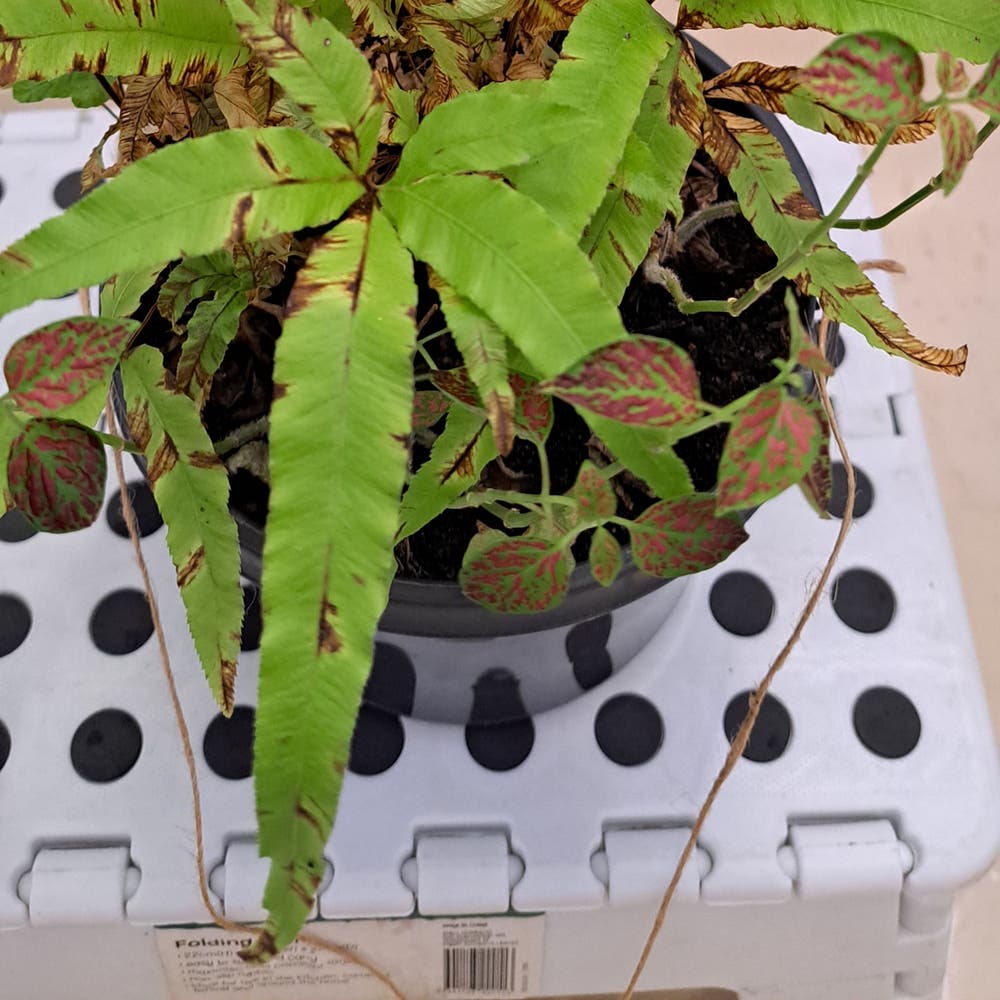
Top 4 Companions for a Healthy Cretan Brake Garden 🪴
Pteris cretica
By the Greg Editorial Team
Oct 02, 2024•4 min read
This article was created with the help of AI so we can cover more plants for you. May contain errors. See one? Report it here.
Boost your garden's health 🌱 with companion planting for Cretan Brake and discover nature's best allies!
- 🌱 Companion planting boosts Cretan Brake's growth by fostering beneficial plant relationships.
- 🌼 Strategic plant placement enhances soil moisture and reduces chemical pest management.
- 🐞 Attract beneficial insects like ladybugs through thoughtful companion plant selection.
Benefits of Companion Planting for Cretan Brake
🌱 Enhancing Growth and Health
Companion planting creates symbiotic relationships that significantly enhance the growth and health of Cretan Brake. By strategically placing plants together, you can foster an environment where each plant supports the others.
One of the standout benefits is improved soil moisture retention. This is crucial for Cretan Brake, as it thrives in well-drained conditions but still appreciates a bit of moisture. When companion plants are chosen wisely, they can help maintain the right balance of moisture in the soil, benefiting all nearby plants.
Additionally, companion planting reduces the need for chemical pest management. By incorporating natural deterrents, such as specific herbs and flowers, you can keep pests at bay without resorting to harmful chemicals. This not only protects your plants but also promotes a healthier garden ecosystem.
In essence, companion planting is a win-win strategy. It enhances growth, conserves resources, and creates a vibrant, thriving garden that requires less intervention. As you explore the top companion plants for Cretan Brake, you'll discover how these relationships can transform your gardening experience.
Top Companion Plants for Cretan Brake
🌿 Mediterranean Sage
Description
Mediterranean sage features aromatic leaves and striking purple flowers. This low-growing shrub thrives in well-drained soil, making it a perfect companion for Cretan Brake.
Benefits
It attracts pollinators, boosting garden biodiversity. Additionally, it acts as a natural pest repellent, particularly against aphids and whiteflies.
💜 Lavender
Description
Lavender is known for its fragrant purple flowers and evergreen foliage. This compact shrub flourishes in Mediterranean climates, adding beauty to any garden.
Benefits
It effectively deters pests like moths and mosquitoes. Plus, its vibrant color contrasts beautifully with Cretan Brake, enhancing visual appeal.
🌼 Marigold
Description
Marigolds showcase bright orange and yellow flowers. They can be annual or perennial, exhibiting a bushy growth habit that adds charm to the garden.
Benefits
These flowers are effective in repelling nematodes and other garden pests. Their vibrant hues also contribute to the overall aesthetic of your garden.
🌱 Creeping Thyme
Description
Creeping thyme is a low-growing, mat-forming herb adorned with small purple flowers. It spreads easily, making it an excellent choice for ground cover.
Benefits
This plant helps suppress weeds, promoting garden health. Its fragrant ground cover beautifully complements the feathery appearance of Cretan Brake.
With these companion plants, you can create a thriving ecosystem in your garden. Next, let’s explore how to manage pests naturally using these plants.
Pest Management with Companion Plants
Natural Pest Deterrents 🛡️
Companion plants are nature's little warriors against pests. They release compounds that deter unwanted insects, making your garden a less appealing place for them to thrive.
These plants also attract beneficial insects, like ladybugs and lacewings, which feast on common garden pests. By creating a balanced ecosystem, companion planting can significantly reduce the need for chemical pest management.
Specific Pests to Consider 🐞
Common garden pests include aphids and spider mites, which can wreak havoc on your plants. Fortunately, companion plants can help keep these nuisances at bay.
For instance, planting marigolds can repel nematodes, while Mediterranean sage can deter aphids. By strategically choosing your companions, you can create a thriving garden that naturally manages pests.
This approach not only enhances the health of your Cretan Brake but also fosters a more sustainable gardening practice. As you explore the world of companion planting, you'll discover how these relationships can transform your garden into a vibrant ecosystem.
Plants to Avoid Near Cretan Brake
🚫 Incompatible Plants
When planning your Cretan Brake garden, it's crucial to know which plants to steer clear of. Aggressive weeds, like bindweed and crabgrass, can quickly overtake your garden, competing for space and resources. Additionally, certain root vegetables, such as carrots and potatoes, may not thrive when planted nearby.
❌ Reasons for Incompatibility
The primary issue with these incompatible plants is their competition for moisture and nutrients. Cretan Brake requires specific conditions to flourish, and these invasive species can hinder its growth.
Moreover, some of these plants can attract pests or diseases that may spread to your Cretan Brake. Keeping your garden healthy means being mindful of what you plant alongside it.
By avoiding these incompatible plants, you create a more harmonious environment for your Cretan Brake to thrive. This thoughtful approach not only enhances your garden's health but also ensures a more vibrant ecosystem.
As you plan your garden, consider the benefits of companion planting, which can further enhance the growth and resilience of your Cretan Brake.
⚠️ Safety First
This content is for general information and may contain errors, omissions, or outdated details. It is not medical, veterinary advice, or an endorsement of therapeutic claims.
Always consult a qualified healthcare professional before using any plant as food, medicine, or supplement.
Never eat any plant (or feed one to pets) without confirming its identity with at least two trusted sources.
If you suspect poisoning, call Poison Control (800) 222-1222, the Pet Poison Helpline (800) 213-6680, or your local emergency service immediately.
Spotted an error? Please report it here.
Boost your Cretan Brake garden's health with smart companion planting 🌱 and let Greg guide you with tailored care tips for a flourishing ecosystem!