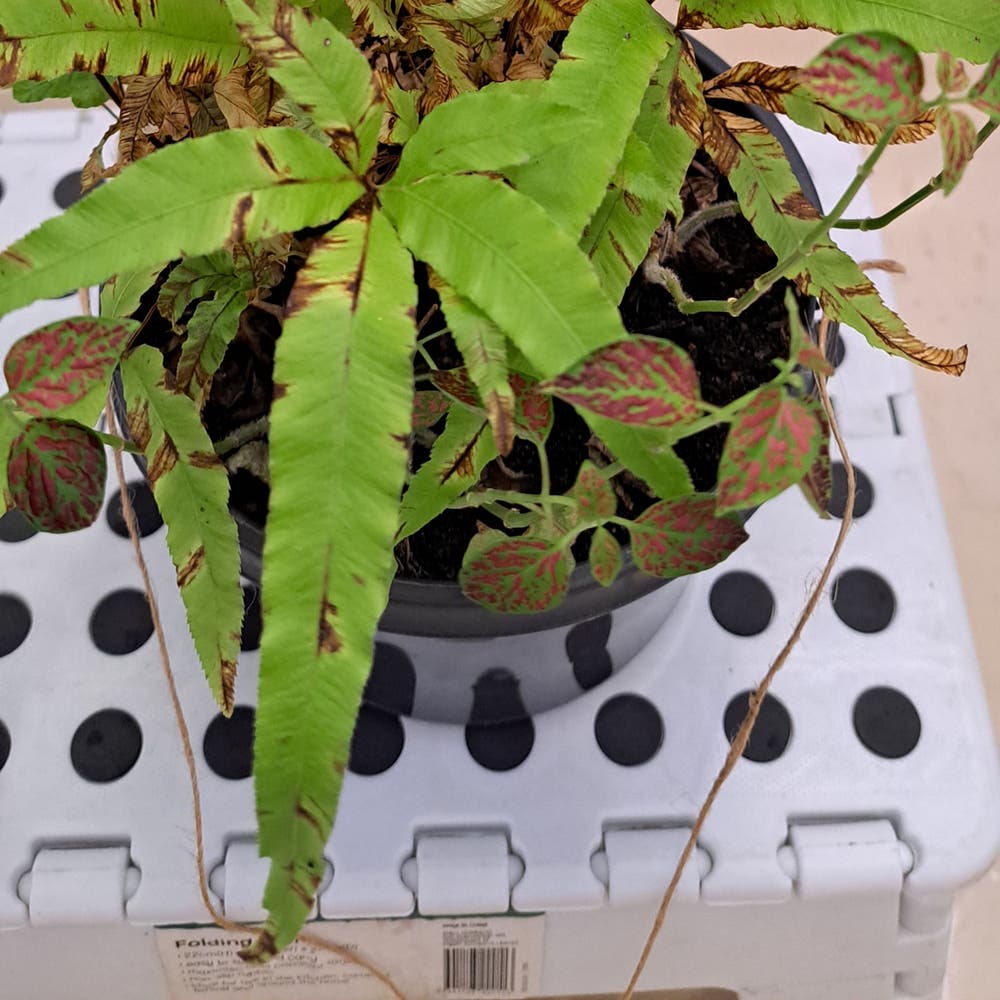
7 Tips for Growing Cretan Brake 💧
Pteris cretica
By the Greg Editorial Team
Oct 02, 2024•5 min read
This article was created with the help of AI so we can cover more plants for you. May contain errors. See one? Report it here.
Cultivate a lush garden oasis 🌿 by mastering the care of Cretan Brake ferns for vibrant growth!
- 🌳 Cretan Brake ferns thrive in shade, perfect for dimly lit garden spots.
- 💧 High humidity is essential; mist or use humidity trays for optimal growth.
- 🌱 Well-draining, slightly acidic soil prevents root rot and promotes healthy ferns.
Site Selection and Soil Preparation
Choosing the Right Location 🌳
Cretan Brake ferns thrive in partial to full shade, making them perfect for those cozy, dimly lit corners of your garden. They prefer cooler areas, so steer clear of extreme heat to keep them happy and healthy.
Humidity is key for these ferns. They flourish in high humidity, so consider using misting techniques or humidity trays to create a suitable environment.
Soil Requirements 🌱
Well-draining soil is crucial for preventing root rot in Cretan Brake ferns. Ensure your soil allows excess water to escape, keeping the roots dry yet nourished.
In terms of pH, these ferns are quite adaptable but prefer slightly acidic to neutral conditions, ideally between pH 6.0 and 7.0.
To enrich your soil, incorporate organic matter like compost or peat moss. This not only boosts nutrient levels but also enhances soil structure, promoting healthy growth.
With the right location and soil preparation, your Cretan Brake ferns will be set for success. Next, let’s dive into effective planting techniques to get your ferns in the ground!
Planting Techniques
Step-by-Step Planting Guide 🌱
Outdoor Planting
- Prepare the site: Start by clearing any debris and loosening the soil. This sets the stage for healthy growth.
- Dig a hole: Make it twice the width of the root ball. This gives the roots room to spread.
- Place the fern: Ensure the crown is level with the soil surface. This is crucial for preventing rot.
- Backfill and water: Firm the soil gently around the roots and water thoroughly to eliminate air pockets.
Container Planting
- Choose the right pot: Ensure it has drainage holes to prevent waterlogging.
- Use a suitable potting mix: A blend of potting soil and organic matter works best for nutrient retention.
- Follow the same planting steps as outdoor planting: The process remains consistent, ensuring your fern thrives.
Spacing and Depth Considerations 📏
- Recommended spacing: For outdoor planting, space your ferns 18-24 inches apart. This allows for adequate air circulation and growth.
- Depth: Always ensure the root ball is at soil level. This simple step can prevent rot and promote healthy roots.
With these planting techniques, you're well on your way to a flourishing Cretan Brake. Next, let’s dive into watering and fertilizing to keep your ferns thriving!
Watering and Fertilizing
💧 Watering Frequency and Techniques
To keep your Cretan Brake thriving, maintain a consistent watering schedule. The soil should be moist but never soggy; this balance is crucial for healthy growth.
Use a watering can or a hose with a fine spray to gently water the plant. This technique prevents soil displacement and ensures that the roots receive adequate moisture.
As seasons change, adjust your watering routine accordingly. In winter, reduce watering to accommodate the plant's lower growth rate.
🌱 Best Fertilizers
Choosing the right fertilizer is essential for robust growth. Opt for balanced, slow-release fertilizers with an NPK ratio of 10-10-10.
Apply fertilizer every 4-6 weeks during the growing season to provide your fern with the nutrients it needs. For those who prefer organic options, consider fish emulsion or seaweed extract for a natural boost.
🚿 Signs of Overwatering or Underwatering
Monitoring your plant's health is key to successful care. Overwatering can lead to yellowing fronds and mushy roots, signaling that your fern is drowning.
On the flip side, underwatering manifests as wilting fronds and dry leaf tips. Keep an eye on these signs to adjust your watering habits effectively.
With proper watering and fertilizing, your Cretan Brake will flourish beautifully. Next, let’s explore pruning and maintenance to keep your fern in top shape.
Pruning and Maintenance
When and How to Prune 🌿
Pruning your Cretan Brake is essential for its health and growth. The best time to prune is early spring, just before new growth begins.
To prune effectively, focus on removing any dead or damaged fronds at the base. This not only improves the plant's appearance but also encourages fresh growth.
Always use clean, sharp pruning shears to prevent disease. A little care in your tools goes a long way in keeping your fern healthy.
Ongoing Care Routine 🧹
Maintaining your Cretan Brake involves regular cleaning. Make it a habit to remove debris and dead leaves to keep the plant thriving.
Pest control is another crucial aspect of ongoing care. Keep an eye out for common pests like aphids and spider mites, and don’t hesitate to use insecticidal soap if necessary.
By staying proactive in your care routine, you can ensure your Cretan Brake remains vibrant and healthy. With these practices in place, your fern will flourish beautifully.
Next, let’s explore common challenges and solutions to keep your plant thriving.
Common Challenges and Solutions
🐛 Identifying and Addressing Pests and Diseases
Cretan Brake ferns can face a few pesky intruders. Common pests include aphids, spider mites, and mealybugs, which can sap the plant's vitality.
To prevent disease, ensure good air circulation around your ferns. Avoid overcrowding, as this can create a breeding ground for pests and diseases.
🌡️ Environmental Stress Factors
Temperature fluctuations can be a real challenge for your ferns. Protect them from extreme cold or heat to keep them thriving.
Humidity issues are another concern. Use misting or humidity trays to maintain the moisture levels your Cretan Brake craves.
🌱 Tips for Overcoming Growth Issues
Adjust your care routines based on seasonal changes. This flexibility can make a significant difference in your fern's health.
Regularly monitor soil moisture and nutrient levels. Staying attuned to these factors will help you catch any issues before they escalate.
With these strategies, you'll be well-equipped to tackle common challenges and keep your Cretan Brake flourishing. Next, let’s dive into the essential pruning and maintenance techniques to ensure your ferns remain healthy and vibrant.
⚠️ Safety First
This content is for general information and may contain errors, omissions, or outdated details. It is not medical, veterinary advice, or an endorsement of therapeutic claims.
Always consult a qualified healthcare professional before using any plant as food, medicine, or supplement.
Never eat any plant (or feed one to pets) without confirming its identity with at least two trusted sources.
If you suspect poisoning, call Poison Control (800) 222-1222, the Pet Poison Helpline (800) 213-6680, or your local emergency service immediately.
Spotted an error? Please report it here.
Transform your Cretan Brake ferns into lush green beauties 🌿 with Greg's tailored care reminders and humidity tips that keep them thriving in any space!