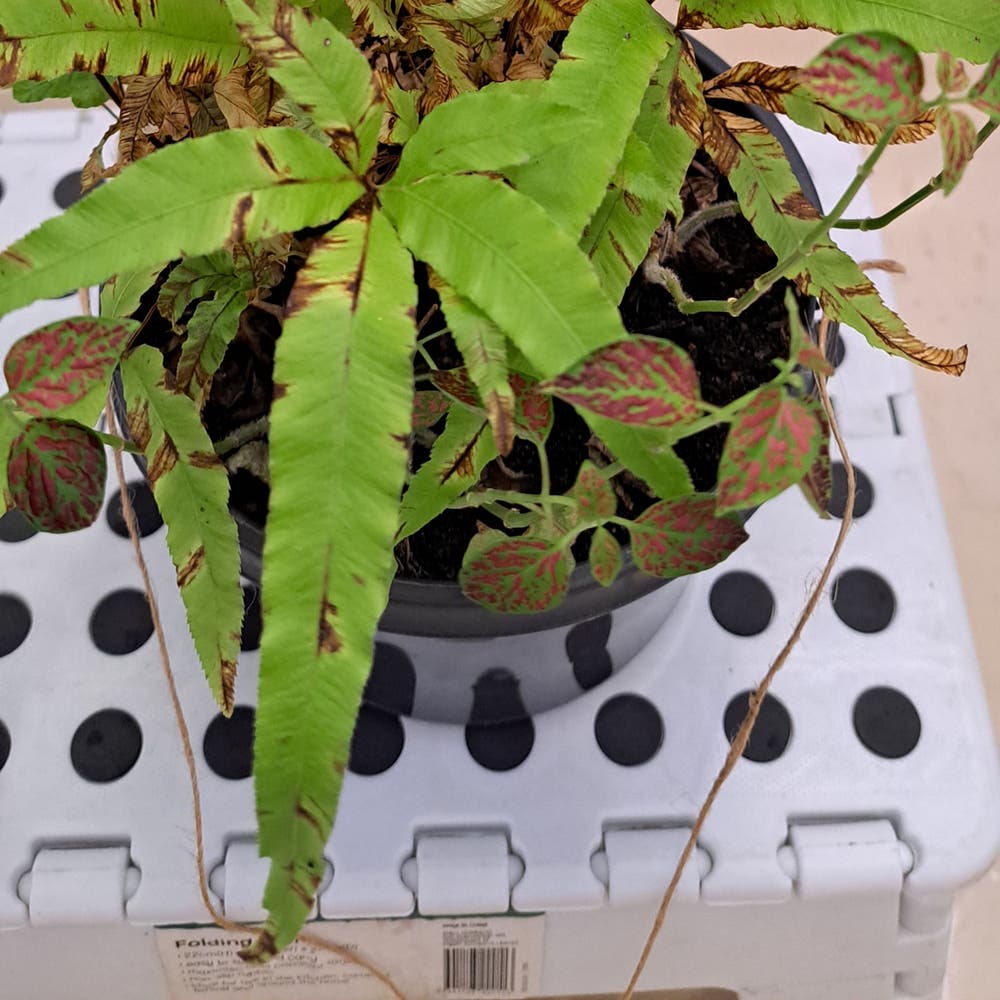
Best Climate for Cretan Brake: Zones 8a-11b ☀️
Pteris cretica
By the Greg Editorial Team
Oct 02, 2024•4 min read
This article was created with the help of AI so we can cover more plants for you. May contain errors. See one? Report it here.
Master Cretan Brake's temperature tolerance 🌱 to cultivate this resilient plant in your garden with ease!
- 🌡️ Cretan Brake thrives in USDA zones 8a-11b, ideal for warmer climates.
- ❄️ Sensitive to frost, it tolerates temperatures down to 10°F (-12°C).
- 🌊 Coastal regions like California and Florida offer optimal growing conditions.
Cretan Brake Temperature Tolerance
Cold Tolerance Specifics ❄️
Cretan Brake can withstand minimum temperatures down to 10°F (-12°C), making it suitable for USDA zones 8a. However, frost can be detrimental; signs of frost damage include wilting leaves and discoloration.
Heat Tolerance Specifics 🔥
On the flip side, this resilient plant thrives in heat, tolerating temperatures up to 100°F (38°C). Its adaptations, such as drought resistance and efficient water conservation, allow it to flourish even in challenging conditions.
Ideal Temperature Ranges for Growth 🌱
For optimal growth, Cretan Brake prefers temperatures between 60°F and 80°F (15°C to 27°C). Seasonal temperature fluctuations can impact its growth, so maintaining a stable environment is beneficial for robust development.
Understanding these temperature tolerances is crucial for successful cultivation. Next, we’ll explore the ideal growing regions for Cretan Brake, highlighting the best states for this hardy plant.
Ideal Growing Regions for Cretan Brake
🌎 Examples of US States in Zones 8a-11b
Cretan Brake thrives in several states within zones 8a to 11b.
- California: Particularly in coastal regions and Southern California, where the climate is warm and inviting.
- Florida: The southern parts enjoy a Mediterranean climate, perfect for this resilient plant.
- Texas: Known for its mild winters and hot summers, Texas provides an ideal environment for Cretan Brake.
🌱 Factors Contributing to Ideal Growing Conditions
Several factors play a crucial role in creating the perfect habitat for Cretan Brake.
- Soil Types: This plant prefers well-drained soils, which help prevent root rot and promote healthy growth.
- Climate Characteristics: Mild winters paired with hot summers create a favorable climate for thriving.
🏞️ Comparison of Different Regions Within the Suitable Zones
Understanding the differences between coastal and inland growing conditions can enhance your gardening success.
- Coastal Conditions: These areas often benefit from moderated temperatures and higher humidity, which can support lush growth.
- Inland Conditions: While they may experience more temperature extremes, they can also offer unique opportunities for Cretan Brake cultivation.
Additionally, rainfall and humidity levels can vary significantly across these regions. Coastal areas typically enjoy more consistent moisture, while inland regions may face drier spells.
In summary, choosing the right location within these zones can significantly impact your success with Cretan Brake. Next, let’s explore how microclimates can further enhance growing conditions.
Microclimates and Their Impact
🌍 Definition of Microclimates
Microclimates are localized areas where the climate differs from the surrounding environment. They can significantly influence gardening by creating unique conditions that may be more favorable for certain plants.
🌱 Importance of Microclimates in Gardening
Understanding microclimates is crucial for gardeners. They can help extend the growing season and improve plant health by providing protection from extreme weather.
🌞 How Microclimates Can Extend Growing Range
Microclimates can create favorable conditions for plants like Cretan Brake. For instance, areas shielded from wind or those that receive extra sunlight can support growth even in less-than-ideal climates.
🏢 Impact of Structures, Bodies of Water, and Vegetation
Structures such as buildings can trap heat, while bodies of water can moderate temperature fluctuations. Additionally, vegetation can provide shade and shelter, enhancing the microclimate's suitability for growth.
🌆 Examples of Microclimates That Benefit Cretan Brake
Urban areas often experience heat retention, making them ideal for Cretan Brake. Similarly, protected valleys or slopes can offer warmth, creating a perfect environment for this resilient plant.
Understanding these microclimates can empower gardeners to make informed decisions about where to plant Cretan Brake, maximizing its growth potential. Next, we’ll explore state-level suitability for this remarkable plant.
State-Level Suitability Analysis
🌱 List of US States Suitable for Cretan Brake
Cretan Brake thrives in several states that fall within the appropriate climate zones. The following states are particularly well-suited for its growth:
- California
- Florida
- Texas
- Arizona
- Louisiana
These regions offer the warm temperatures and mild winters that Cretan Brake prefers.
❌ List of US States Unsuitable for Cretan Brake
Conversely, some states present challenges that make them unsuitable for Cretan Brake. These include:
- North Dakota
- Minnesota
- Maine
- Vermont
- Montana
The colder climates in these areas hinder the plant's ability to thrive.
🌡️ Reasons for Suitability or Unsuitability Based on Climate Factors
Understanding why certain states are more suitable involves analyzing temperature extremes and frost occurrences. States like California and Florida enjoy mild winters, allowing Cretan Brake to flourish without frost damage.
In contrast, states such as North Dakota and Minnesota experience harsh winters with significant frost. This leads to unsuitable conditions for growth.
Soil conditions also play a crucial role. Well-drained soils are essential for Cretan Brake, while states with heavy, moisture-retaining soils can hinder its development.
In summary, the right combination of temperature, frost tolerance, and soil type determines where Cretan Brake can thrive.
As we explore the next section, we'll delve into the fascinating world of microclimates and how they can further influence the growing conditions for Cretan Brake.
⚠️ Safety First
This content is for general information and may contain errors, omissions, or outdated details. It is not medical, veterinary advice, or an endorsement of therapeutic claims.
Always consult a qualified healthcare professional before using any plant as food, medicine, or supplement.
Never eat any plant (or feed one to pets) without confirming its identity with at least two trusted sources.
If you suspect poisoning, call Poison Control (800) 222-1222, the Pet Poison Helpline (800) 213-6680, or your local emergency service immediately.
Spotted an error? Please report it here.
Unlock the secret to a thriving Cretan Brake 🌿 with Greg's tailored care tips and reminders, ensuring your plant flourishes in its ideal climate!