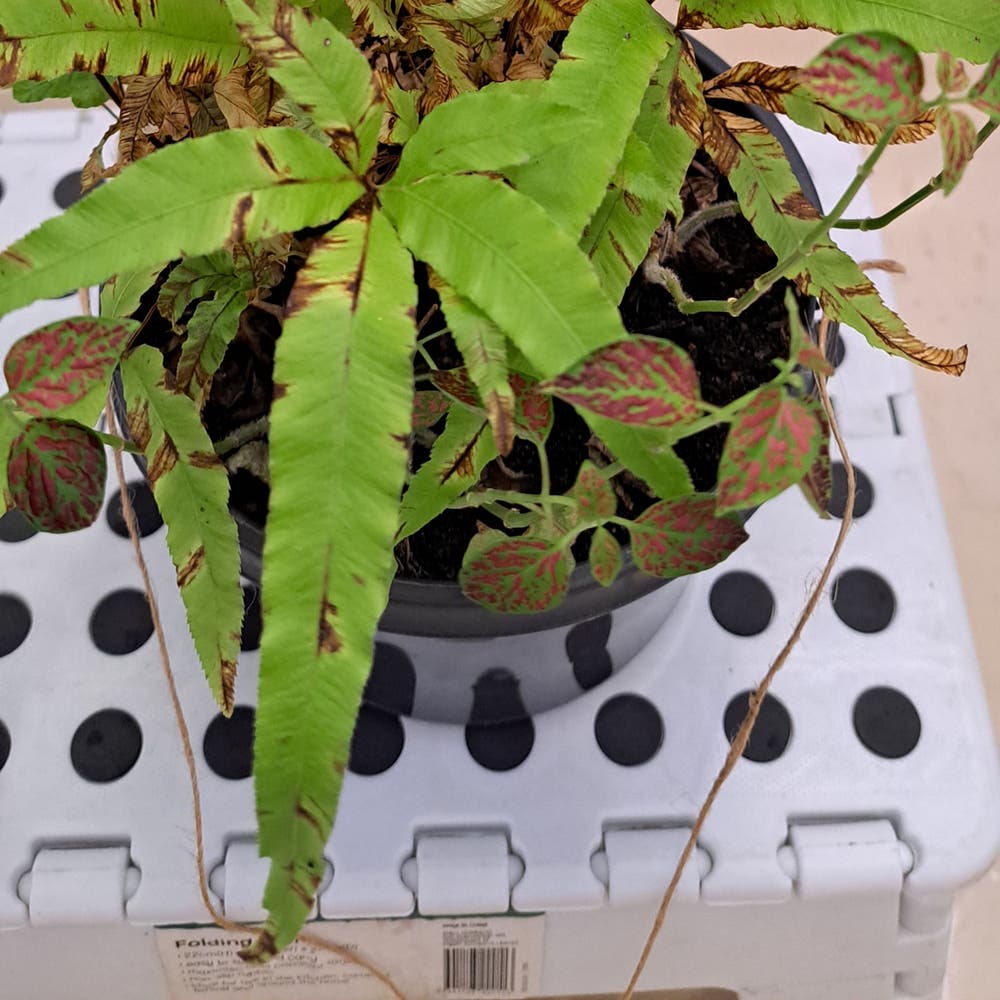
What Should I Do When Cretan Brake Leaves Turn Yellow? 💛
Pteris cretica
By the Greg Editorial Team
Jun 14, 2024•7 min read
This article was created with the help of AI so we can cover more plants for you. May contain errors. See one? Report it here.
Restore your Cretan Brake to lush health 🌿 by tackling the yellow leaf mystery with our expert guide.
- Yellow leaves signal issues like overwatering, nutrient deficiencies, or light problems.
- Check soil and roots to adjust watering and improve plant health.
- Prune and monitor recovery after addressing the specific cause of yellowing.
Diagnosing Yellow Leaves in Cretan Brake
Yellowing leaves in Cretan Brake can be a real head-scratcher. Let's dive into the diagnostic playbook to pinpoint the trouble.
🎨 Pattern Recognition
Uniform yellowing? Could be your plant's been swimming in too much H2O. Check for a wilted, soggy stance and if the stems have gone mushy. It's the plant's version of waving a white flag.
🚩 The Telltale Signs
Brown spots on yellow leaves are like unwanted tattoos signaling a cry for help, possibly hinting at calcium deficiency. Don't just stand there—act!
🌡️ Environmental Barometer
Striped or edge-yellowing leaves are the plant's SOS. It's shouting about potential nutrient deficiencies or environmental stress.
🕰 Age Matters
Yellowing starting with the older leaves? Might be natural aging, but if they're bowing out too soon, with stunted growth or mushy stems, it's likely overwatering.
🌞 Light Check
Browning tips curling up? That's your plant complaining about a sunburn or a bad joke—too much direct light.
🌱 Soil Sleuthing
Perform a quick soil check. Is it dry, moist, or bone-dry? This will clue you in on the watering needs.
🏋️ Weighty Decisions
Lift your plant after watering and then a day or two later. A lighter pot signals thirsty roots.
👀 Visual Cues
Keep an eye out for distress signals—yellowing leaves may mean too much sun, while leggy growth suggests a need for more.
Remember, your Cretan Brake isn't just changing colors for fun—it's communicating. Pay attention to the patterns and accompanying signs to get to the root of the issue.

Addressing Nutrient Deficiencies
🌿 Identifying Signs of Deficiencies
Yellowing leaves on your Cretan Brake could be a red flag for nutrient deficiencies. Nitrogen deficiency often shows up as a general yellowing, starting with the older, lower leaves. If you spot yellowing between the veins while the veins themselves remain green, you might be dealing with an iron shortage. And when lower leaves turn yellow at the edges, it's time to suspect magnesium is missing from the party.
🛠 Correcting Nutrient Imbalances
Fertilizers or supplements are your go-to for fixing these deficiencies. A balanced fertilizer can address nitrogen issues, but always remember that more isn't better. Over-fertilization can burn your plant, turning your yellow-leaf problem into a full-blown plant crisis. For iron, consider treatments like iron chelates or seaweed extract, which can green up those leaves. Magnesium can be replenished with a dose of Epsom salts, but don't go overboard—too much can interfere with other nutrients.
🕵️♂️ Soil Testing: Your Secret Weapon
Before you start playing plant doctor with supplements, get a soil test. This will tell you exactly what's missing and prevent you from treating your Cretan Brake for something it doesn't have. It's like getting a blood test before taking vitamins—you want to make sure you're solving the right problem.
♻️ Composting: The All-Natural Multivitamin
Don't overlook the power of composting. It's like a multivitamin for your plant, slowly releasing a spectrum of nutrients. Plus, it's eco-friendly and reduces your carbon footprint—talk about a win-win.
Pro Tips
- Always adjust the soil pH according to the needs of your plant. Nutrient uptake is all about that perfect pH balance.
- Keep an eye on your plant after treatment. Recovery takes time, and you may need to tweak your approach.

Managing Water Levels
💦 Recognizing Symptoms of Overwatering
Overwatering is like giving your plant an unwanted bath. Look for limp stems and yellowing leaves that scream, "I'm drowning here!" If the soil feels like a wet sponge days after watering, you've been too generous.
🏜️ Recognizing Symptoms of Underwatering
Conversely, underwatering turns your Cretan Brake into a thirsty nomad in the desert. Signs include droopy leaves and stunted growth. If the soil is bone-dry, it's a cry for hydration.
🚰 Adjusting Watering Practices
To avoid waterboarding your plant, let the topsoil dry before the next watering session. A finger test works wonders—aim for a top inch as dry as a good martini. Consistency is key, so consider setting reminders or using a moisture meter to avoid turning your plant care routine into a guessing game.
Pro Tips
- Use room-temperature water to avoid shocking the roots.
- If you're a serial overwaterer, set reminders to check the soil before watering.
- For the underwaterers, a self-watering pot might just be your plant's salvation.

Optimizing Light Exposure
💡 Assessing Light Conditions
Yellow leaves on your Cretan Brake might be screaming for a change in scenery. Too much light can fry your plant like an egg on a sidewalk, while too little leaves it starving for sunshine. Look for bleached spots or a general paleness to determine if your plant's been sunbathing too long or hiding in the dark.
💡 Adjusting Plant Placement
If your plant's leaves could talk, they'd tell you moving them away from that sun-trap of a window might just save their life. Conversely, a plant that's more shade than shine might need a nudge closer to the light. Rotate your plant regularly to ensure all sides get their fair share of the limelight.
💡 Acclimatizing to New Light Conditions
When shifting your plant to a new spot, think of it as a plant spa—gradual exposure is key. Sudden changes are more shocking than a cold plunge pool. Incrementally increase their time in brighter light to avoid a leafy meltdown.
💡 Monitoring for the Sweet Spot
Keep a vigilant eye on your green buddy after the move. New growth that's vibrant and green without signs of scorching is like a thumbs-up from your plant. Remember, the Goldilocks zone isn't a myth; it's the perfect balance of light that keeps your Cretan Brake from throwing a yellow tantrum.
Improving Soil and Root Health
In the quest to combat yellow leaves, soil quality and root health take center stage. Let's dig into the dirt on keeping your Cretan Brake's foundation robust.
🌱 The Role of Soil Quality
Good soil is like a balanced diet for your plant; it's essential. Compaction is a silent killer, suffocating roots and stunting growth. If your plant's performance is lackluster, the soil might be staging a mutiny. It's time to get your hands dirty and investigate.
🌿 Root Function and Soil Interaction
Roots are the unsung heroes, tirelessly slurping up nutrients and water. But if they're drowning or gasping for air in poor soil, it's a recipe for disaster. Yellow leaves could be their SOS signal.
🌷 Repotting: A Fresh Start
When roots circle the pot like a conga line, it's a clear sign they need more space. Repotting with a well-draining mix can give your Cretan Brake a new lease on life. Trim any dead or rotten roots to encourage a comeback tour.
🌼 Choosing the Right Soil Mix
Your Cretan Brake isn't picky, but it craves a potting mix that's the botanical equivalent of a gourmet meal. Aim for a mix that's well-draining yet retains enough moisture to keep the roots happy without waterlogging them.
🌻 When to Switch Things Up
If the leaves are still throwing shade (yellow, that is), consider a soil mix intervention. Mix in some perlite or pumice to increase aeration. Sometimes, all your Cretan Brake needs is a little room to breathe.
Remember, improving soil and root health isn't a one-hit wonder. It's an ongoing gig, requiring regular tune-ups to keep your Cretan Brake in the limelight.
Taking Corrective Action
✂️ Pruning Affected Foliage
Snip the drama. When yellow leaves appear, it’s time for a trim. Target the discolored leaves and cut above a leaf node to encourage new growth. Keep your tools sterile; we don’t want to spread any plant plagues.
🕵️ Monitoring Plant Recovery
Patience is a virtue, especially in plant care. After you’ve played plant surgeon, keep an eye out for signs of improvement like new foliage or a return to lush greenery. If the yellowing persists, reassess your care strategy—something’s still off.
🔄 Ongoing Adjustments
Adaptability is key. Your Cretan Brake isn’t static, and neither should your care routine be. Watch for any new distress signals and be ready to tweak your watering, lighting, or fertilizing practices. Remember, you’re not just a plant owner; you’re a plant partner.
⚠️ Safety First
This content is for general information and may contain errors, omissions, or outdated details. It is not medical, veterinary advice, or an endorsement of therapeutic claims.
Always consult a qualified healthcare professional before using any plant as food, medicine, or supplement.
Never eat any plant (or feed one to pets) without confirming its identity with at least two trusted sources.
If you suspect poisoning, call Poison Control (800) 222-1222, the Pet Poison Helpline (800) 213-6680, or your local emergency service immediately.
Spotted an error? Please report it here.
Turn your Cretan Brake's frown upside down by banishing yellow leaves 🍂 with Greg's tailored watering reminders and nutrient deficiency detection.