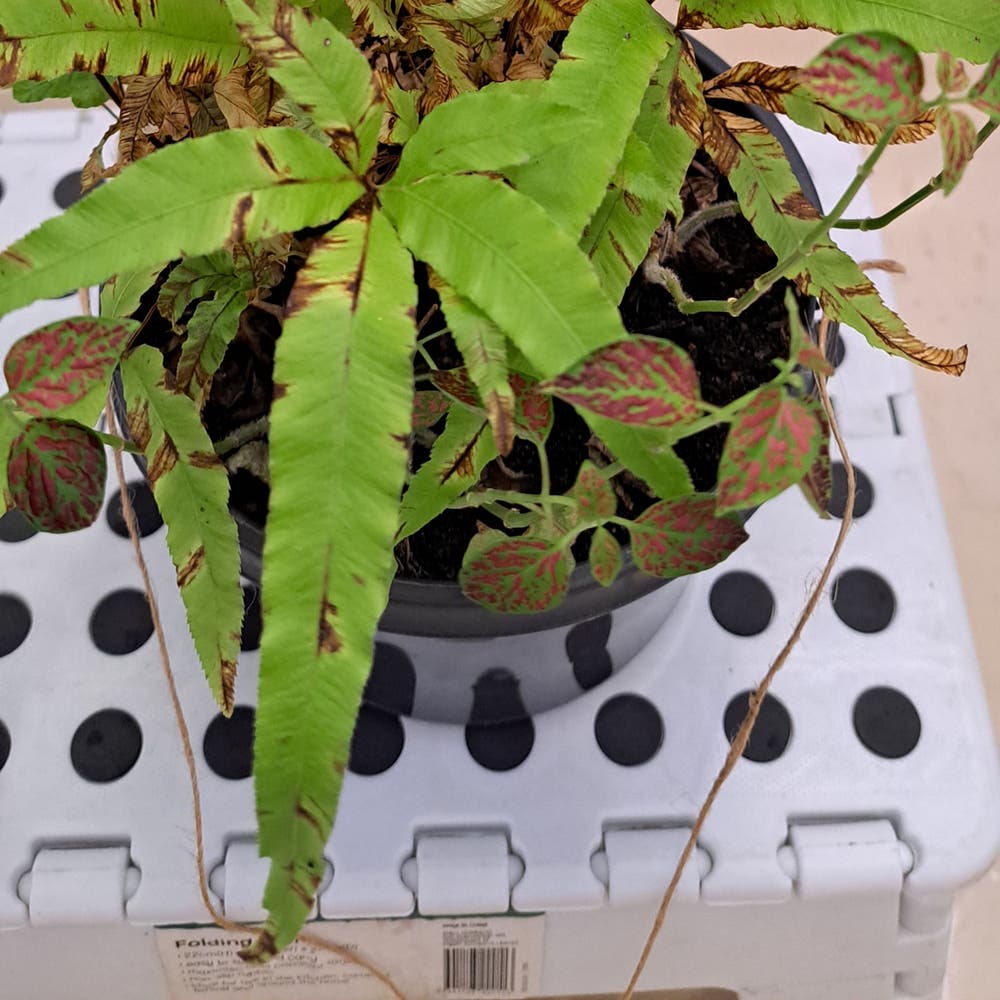
Jersey Fern: A Perennial Plant
Pteris cretica
By the Greg Editorial Team
Sep 29, 2024•4 min read
This article was created with the help of AI so we can cover more plants for you. May contain errors. See one? Report it here.
Transform your garden with Jersey Fern's resilience and beauty, creating a sustainable paradise! 🌱
- 🌱 Jersey Fern is a perennial, regrowing each year from its established root system.
- ☀️ Optimal growth occurs in spring and summer, providing lush greenery for gardens.
- 🌿 Low maintenance once established, making Jersey Fern a cost-effective choice for gardeners.
Characteristics of Jersey Fern as a Perennial
Multi-Year Jersey Fern
Jersey Fern thrives as a perennial, regrowing from the same root system each year. This unique lifecycle sets it apart from annual and biennial plants, showcasing its longevity and sustainability.
Growth Patterns and Regrowth 🌿
The established root system of Jersey Fern plays a crucial role in its regrowth. Each spring, it utilizes these roots to push out new fronds, marking the start of its seasonal growth.
Seasonal Growth established root systemost prominent in spring and summer. As temperatures rise, fresh fronds emerge from the ground, creating a luJersey Fernsplay that enhances any garden.
Understanding these characteristics not only highlights the resilience of Jersey Fern but also prepares gardeners for its seasonal rhythms. This knowledge sets the stage for exploring the seasonal changes and dormancy that follow.
Seasonal Changes and Dormancy
Dormancy Periods 🌙
During winter, Jersey Fern enters a dormancy phase. While the fronds die back, the roots remain alive and ready to spring back to life.
This dormancy is crucial for the plant's health. It conserves nutrients and stores energy, ensurinlifespanst comeback when conditions improve.
Seasonal Changes Impacting Growth 🌱
As temperatures rise in spring, Jersey FernJersey Fernom its slumber. New fronds push through the soil, signaling the start of a vibrant growth cycle.
Summer brings optimal conditions for expansion. The plant thrives, soaking up sunlight and moisture to fuel its lush foliage.
As fall approaches, Jersey Fern prepares for the colder months. It focuses on nutrient absorption and energy storage, setting the stage for a successful winter dormancy.
Understanding these seasonal changes helps gardeners appreciate the resilience of Jersey Fern. This knowledge can guide care practices, ensuring the plant remains healthy and vibrant year after year.
Advantages forJersey Fern
🌱 Benefits of Perennial Nature
Jersey Fevibrant and resilienteam due to its perennial nature. Once established, it requires minimal maintenance, allowing you to enjoy your garden without the hassle of replanting each year.
This longevity makes it a cost-effective choice for garden planning. Investing in Jersey Fern means you’re setting up a sustainable landscape that thrives over time.
🌳 Established Root Systems
The stability and resilience of growth patternse from its establiclimateot system. These roots not only anchor the plant but also contribute significantly to its overall health.
Moreover, Jersey Fern playsJersey Fernle in improving soil structure and nutrient cycling. Its roots help aerate the soil and enhance its organic content, promoting a healthier garden ecosystem.
By choosing Jersey Fern, you’re not just adding planting locationrden; you’re also fostering a thriving environment for other plants. This makes it a smart choice for both novice and experCompanion plantinglike.
As you consider the benefits of Jersey Fern, think about how its established roots and perennial naturSeasonal carerm your gardening experience. Next, let’s explore the lifespan and longevity factors that influence this remarkable plant.
Lifespan and Longevity Factors
Expected Lifespan 🌱
Jersey Fern typically thrives for about 5 to 10 years when planted in optimal conditions. However, this lifespan can vary significantly based on environmental factors.
Influencing Factors 🌍
Soil Quality
Well-drained, organic-rich soil is crucial for the health of Jersey Fern. Quality soil supports robust growth and helps the plant establish a strong root system.
Light Conditions ☀️
Jersey Fern is adaptable, thriving in both full shade and partial sun. This flexibility allows it to flourish in various garden settings.
Moisture Levels 💧
Consistent moisture is vital for the health and longevity of Jersey Fern. Adequate watering ensures the plant remains vibrant and resilient throughout its lifecycle.
Understanding these factors can help you create the ideal environment for your Jersey Fern, ensuring it remains a stunning addition to your garden for years to come. As you plan your garden, consider how these elements interact to maximize the plant's potential.
Climate Zone Variations
🌱 Perennial Behavior Across Climate Zones
Jersey Fern exhibits unique growth patterns depending on the climate. In warmer regions, it thrives with vigorous growth, while in cooler areas, it may enter dormancy earlier.
This adaptability allows Jersey Fern to flourish in various soil types and moisture levels. Whether in rich, loamy soil or sandy substrates, it finds a way to establish itself and grow.
🌟 Tips for Maximizing Benefits
Selecting the right planting location is crucial for Jersey Fern's success. Prioritize areas with ample shade and consistent moisture to ensure robust growth.
Companion planting can also enhance its resilience. Pairing it with other shade-loving plants can create a thriving ecosystem.
Seasonal care is essential, too. Adjust your gardening practices based on your climate zone to support the fern's growth throughout the year.
By understanding these factors, you can maximize the benefits of Jersey Fern in your garden, ensuring it remains a vibrant part of your landscape.
⚠️ Safety First
This content is for general information and may contain errors, omissions, or outdated details. It is not medical, veterinary advice, or an endorsement of therapeutic claims.
Always consult a qualified healthcare professional before using any plant as food, medicine, or supplement.
Never eat any plant (or feed one to pets) without confirming its identity with at least two trusted sources.
If you suspect poisoning, call Poison Control (800) 222-1222, the Pet Poison Helpline (800) 213-6680, or your local emergency service immediately.
Spotted an error? Please report it here.
Nurture your Jersey Fern's resilience 🌱 with Greg's tailored care reminders, ensuring it thrives beautifully in your garden for years to come!