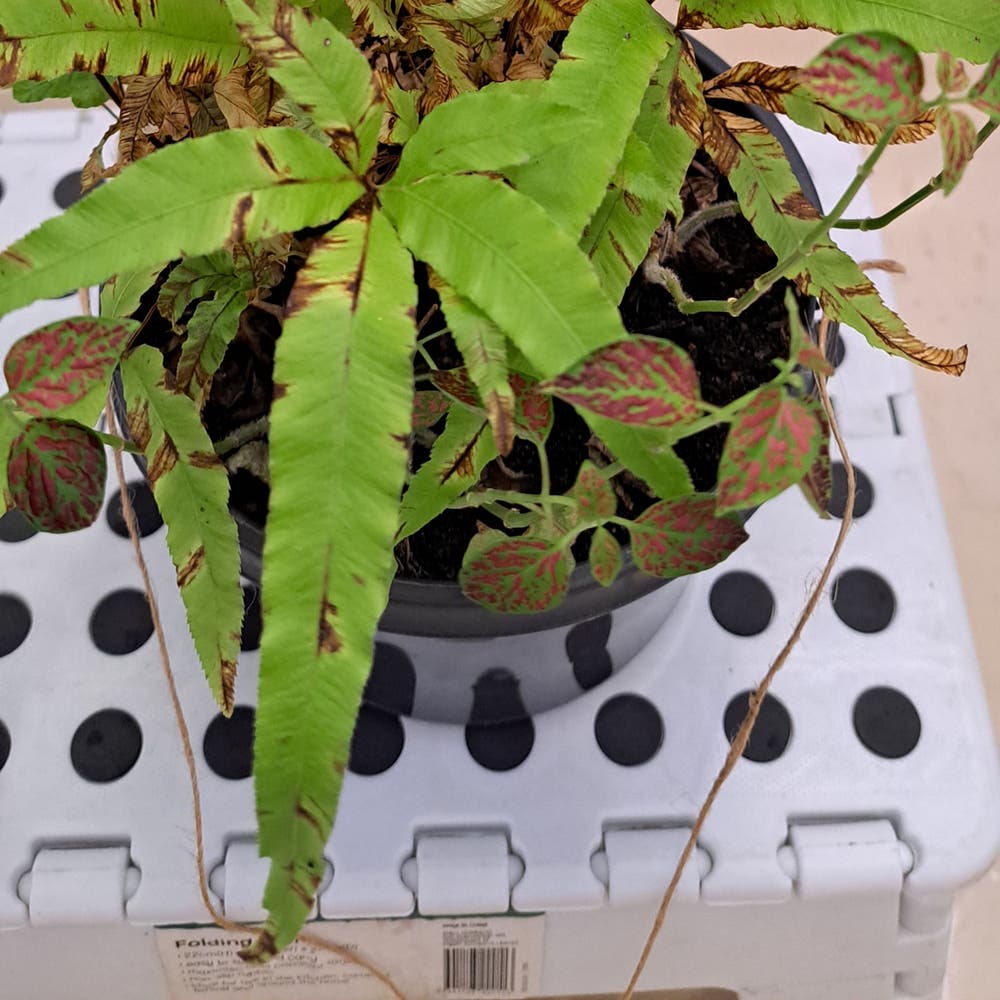
Why Are There Brown Spots on My Cretan Brake Leaves?
Pteris cretica
By the Greg Editorial Team
Jun 14, 2024•4 min read
This article was created with the help of AI so we can cover more plants for you. May contain errors. See one? Report it here.
Banish brown spots on your Cretan Brake and ensure its vibrant health with these essential care tips. 🌿✨
- Fungal and bacterial infections cause spots; airflow and dry leaves prevent them.
- Environmental stress like light, temperature, and poor air can also cause brown spots.
- Consistent moisture without overwatering is key; use pebble trays for humidity.
Biotic Causes of Brown Spots
🦠 Fungal and Bacterial Infections
Leaf Spot Disease—a term that sends chills down the spine of any plant enthusiast. The telltale brown spots with red or yellow halos scream fungal or bacterial infection. These culprits thrive in the high humidity and stagnant air of a botanic crime scene. Overwatering and poor drainage are their accomplices, setting the stage for the infection to spread through touch or water-splashed spores.
🔍 Identifying Symptoms
When your Cretan Brake starts looking like a dalmatian, it's time to play plant detective. Circular or irregular spots? Could be fungal. Watery lesions that turn brown? Bacterial baddies at work. And if your plant's leaves start looking like Swiss cheese, you've let the infection go too far.
💊 Treatment Strategies
Caught early, you can show these infections the door with a baking soda and soap mix—the DIY bouncers of the plant world. For tougher cases, copper fungicide is your heavy artillery. Suit up and read the label like your plant's life depends on it—because it does.
🚫 Prevention Measures
Prevention is like the VIP list at the club—only the healthy get in. Good airflow is your bouncer, keeping the air moving and the pathogens out. Keep the leaves dry; fungi and bacteria hate drought conditions as much as partygoers hate a dry bar. And if you spot trouble, isolate your plant quicker than you'd swipe left on a bad dating profile.

Abiotic Causes of Brown Spots
💡 Environmental Stress Factors
Improper care can lead to brown spots on Cretan Brake leaves. Sunburn from excessive light or the opposite, etiolation from lack of light, stresses the plant. Temperature swings and poor air circulation also contribute to these unsightly marks. It's like your plant is sending an SOS; it's not happy with its living conditions.
🚰 Watering Woes
Overwatering is a common culprit. It's a fine line between hydration and drowning your plant. Root rot often starts unseen below the soil, manifesting as brown spots on the leaves. Let the topsoil dry out before giving your plant another drink. Think of it as a plant's version of not needing a refill just yet.
🌞 Humidity and Heat
Cretan Brake ferns crave humidity. Dry air can leave leaves looking more like a crispy snack than lush greenery. Use a pebble tray or a humidifier to up the moisture. And keep your plant away from heat sources; they're not sunbathing beauties.
🍽️ Soil and Drainage
Soil composition and drainage are key. Waterlogged soil is a no-go. Ensure your potting mix is well-draining to prevent water from pooling around the roots. It's like wearing wet socks, nobody likes that.
🛡️ Prevention: Adjusting Care
To prevent abiotic stress-related brown spots, it's all about balance. Gradually acclimate your plant to new locations to avoid shock. Keep an eye on the thermostat and ensure consistent temperatures. And remember, good airflow is like a breath of fresh air for your plants, helping to keep those brown spots at bay.

Care Tips for Healthy Cretan Brake Leaves
💧 Watering and Humidity
Watering your Cretan Brake is less about sticking to a rigid schedule and more about observing your plant's needs. High humidity can reduce the need for water, while dry air demands more frequent watering. Check the soil moisture with the finger test—if the second knuckle comes up dry, it's time to water. Overwatering leads to yellowing leaves and a wilted appearance, while underwatering results in crispy, browning edges. Aim for soil that is consistently moist, but never soggy.
🌿 Best Practices
- Use the finger test to gauge soil moisture.
- Adjust watering frequency based on humidity levels.
- Keep soil consistently moist, avoiding extremes.
🌞 Light and Temperature
Bright, indirect light is the Cretan Brake's best friend. Direct sunlight is a no-go, as it can scorch the leaves. When it comes to temperature, think stable and warm. Sudden changes can send your plant into a tizzy, so aim for a consistent environment to keep it drama-free. If your climate control is on overdrive, monitor soil moisture closely—indoor heating and AC can drastically affect how often your plant needs water.
🌱 Ensuring Optimal Conditions
- Provide bright, indirect light to avoid leaf burn.
- Maintain a stable, warm temperature around your plant.
- Monitor soil moisture more closely when using heating or AC.
Remember, your Cretan Brake is a living barometer of its environment. Stay observant, be flexible, and your plant will thrive.

⚠️ Safety First
This content is for general information and may contain errors, omissions, or outdated details. It is not medical, veterinary advice, or an endorsement of therapeutic claims.
Always consult a qualified healthcare professional before using any plant as food, medicine, or supplement.
Never eat any plant (or feed one to pets) without confirming its identity with at least two trusted sources.
If you suspect poisoning, call Poison Control (800) 222-1222, the Pet Poison Helpline (800) 213-6680, or your local emergency service immediately.
Spotted an error? Please report it here.
Keep your Cretan Brake spotless 🍃 with Greg's tailored watering reminders and humidity tracking, ensuring your fern thrives in the perfect conditions.