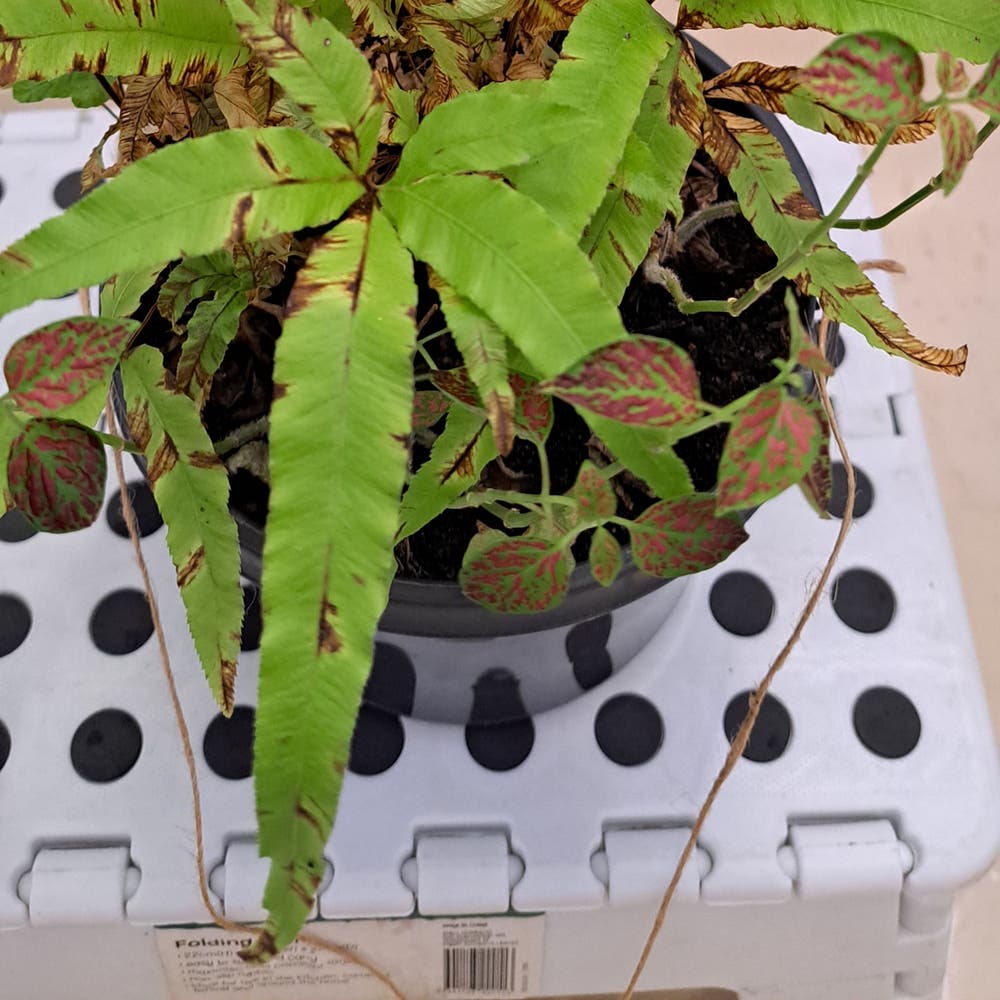
How Fast Your Cretan Brake Will Grow 🐢
Pteris cretica
By the Greg Editorial Team
Oct 02, 2024•6 min read
This article was created with the help of AI so we can cover more plants for you. May contain errors. See one? Report it here.
Master the art of nurturing Cretan Brake 🌱 through its life stages for vibrant, resilient growth and beauty!
- 🌱 Cretan Brake germinates in 2-4 weeks with ideal conditions of 20-25°C.
- 💧 Consistent moisture is key; avoid waterlogging to prevent seed rot.
- 🌞 Indirect light promotes growth; seedlings thrive in partial shade.
Germination Stage
🌱 Duration of Germination
Germination for Cretan Brake typically takes about 2 to 4 weeks. This timeframe can vary based on several factors, including temperature, moisture levels, and light exposure.
⏳ Factors Influencing Germination Duration
- Temperature: Warmer conditions speed up germination.
- Moisture Levels: Consistent moisture is crucial, but avoid waterlogging.
- Light Exposure: Adequate light helps, but too much direct sunlight can hinder growth.
🌤️ Conditions for Successful Germination
To ensure successful germination, specific conditions must be met.
Ideal Temperature Range
Aim for a temperature between 20°C to 25°C (68°F to 77°F). This range promotes optimal growth.
Moisture Requirements
Keep the soil consistently moist, but be cautious of overwatering. Waterlogged conditions can lead to seed rot.
Light Conditions
Provide indirect light or partial shade to prevent desiccation. Too much direct sunlight can dry out the seeds before they sprout.
By understanding these essential factors, you can create an environment that supports the healthy germination of Cretan Brake. This foundational stage sets the tone for the plant's growth journey, leading to vibrant and robust development in the following stages.
Next, we’ll explore the seedling stage, where the young plant begins to establish itself.
Seedling Stage
Duration of Seedling Growth 🌱
The seedling stage of the Cretan Brake typically lasts between 4 to 8 weeks. This phase transitions to the next stage once the true leaves begin to develop.
Characteristics of Seedlings 🌿
During this stage, seedlings exhibit small, delicate fronds that are a vibrant bright green. This coloration is a clear indicator of healthy growth and vitality.
Root Development 🌍
A robust root system starts to establish itself during the seedling stage. This development is crucial for effective nutrient uptake, setting the foundation for future growth.
Observing Growth 👀
As you nurture your seedlings, keep an eye on their progress. The excitement of watching them grow can be incredibly rewarding, especially as they transition into more mature plants.
Transitioning Forward ⏩
Once the true leaves emerge, your Cretan Brake is ready to move on to the vegetative growth stage. This next phase promises even more fascinating changes as the plant continues to thrive.
Vegetative Growth Stage
Duration of Vegetative Growth 🌱
The vegetative growth stage of the Cretan Brake typically lasts between 6 months to several years. Under optimal conditions, this plant can grow impressively, reaching up to 1 foot (30 cm) per year.
Changes in Leaf Structure and Size 🍃
As the Cretan Brake matures, its fronds undergo significant development. They become larger and more complex, showcasing the plant's resilience and adaptability.
Color Changes 🎨
During this growth phase, the coloration of the leaves shifts to a darker green. This change not only indicates healthy growth but also reflects the plant's increasing vigor.
Resilience and Adaptability 💪
One of the most fascinating aspects of the Cretan Brake is its ability to regrow after disturbances. This resilience is a testament to its adaptability in various environmental conditions.
The vegetative growth stage is crucial for establishing a strong foundation for the plant's future. As we transition to the next section, we'll explore the flowering stage and its unique characteristics.
Flowering Stage (if applicable)
🌼 Duration and Characteristics of Flowering
The Cretan Brake fern doesn't typically flower like many other plants. Instead, it primarily reproduces through spores, making its flowering period largely irrelevant.
🔍 Notable Changes
During its life cycle, you will notice the development of spore-producing structures on the fronds. These structures are crucial for reproduction, allowing the plant to thrive in its environment.
While the absence of flowers might seem dull, the intricate process of spore production showcases the Cretan Brake's unique adaptations. This method of reproduction ensures that the fern can continue to flourish, even in challenging conditions.
As we move forward, let's explore the fascinating world of seed production and how it plays a role in the life cycle of the Cretan Brake.
Seed Production
Duration of Seed Production 🌱
Seed production for the Cretan Brake typically occurs 4-6 weeks after spore release. This timeline is crucial for ensuring the next generation thrives.
Conditions for Successful Seed Production 🌧️
To achieve successful seed production, specific habitat requirements must be met.
- Shaded Areas: These provide the necessary protection from direct sunlight, maintaining moisture levels.
- Moisture: Consistent moisture is vital, as it supports the growth of new seeds.
Additionally, the soil type plays a significant role.
- Well-Draining Soil: Rich in organic matter, this type of soil promotes healthy root development and nutrient uptake.
By ensuring these conditions are met, you can foster a thriving environment for the Cretan Brake's seed production.
Importance of the Right Environment 🌡️
Creating a warm, humid environment is essential for optimal seed production. This not only enhances growth but also increases the chances of successful germination for future generations.
Understanding these factors can help you appreciate the resilience of the Cretan Brake. As we move forward, let’s explore how growth rates and maturation impact this fascinating plant.
Growth Rate and Maturation
🌱 How Long Until Fully Grown?
The Cretan Brake typically reaches full maturity within 1 to 3 years. This timeline can vary based on environmental conditions like light, water availability, and soil quality.
⚖️ Factors Affecting Growth Rate
Several factors influence the growth rate of the Cretan Brake. Key elements include temperature, humidity, and light exposure, all of which play a crucial role in its development.
Soil quality is equally important. Nutrient-rich, well-draining soil can significantly promote faster growth, ensuring the plant thrives.
🔄 Notable Changes Throughout the Life Cycle
As the Cretan Brake matures, it undergoes remarkable transformations. You'll notice a shift from delicate seedlings to robust fronds, showcasing its resilience.
Color and size also evolve during this process. The plant adapts to varying environmental conditions, demonstrating its ability to thrive in diverse habitats.
These changes not only highlight the plant's growth but also its adaptability, making it a fascinating species to observe.
As we explore the reproductive cycle next, we'll see how these growth patterns contribute to the Cretan Brake's survival and resilience in its native environment.
Reproductive Cycle
🌱 Overview of Reproductive Cycle
The Cretan Brake primarily reproduces through spores, but it also has a clever trick up its sleeve: asexual reproduction via rhizomes. This dual approach allows the plant to thrive in various environments, ensuring its survival and expansion.
⏰ Timing of Reproductive Events
Spore release typically happens in late summer to early fall, marking a crucial time for the plant's lifecycle. Meanwhile, rhizome growth continues throughout the growing season, providing a steady means of propagation.
🌍 Importance of Reproduction for Species Survival
Reproduction is vital for the Cretan Brake's longevity. Through sexual reproduction, it fosters genetic diversity, which is essential for adapting to changing conditions.
Asexual reproduction via rhizomes ensures that the plant can persist in stable environments. This resilience and adaptability are key factors that contribute to the species' success in its native habitat.
As we explore the next stages of growth, it's fascinating to see how these reproductive strategies play a role in the overall life cycle of the Cretan Brake.
⚠️ Safety First
This content is for general information and may contain errors, omissions, or outdated details. It is not medical, veterinary advice, or an endorsement of therapeutic claims.
Always consult a qualified healthcare professional before using any plant as food, medicine, or supplement.
Never eat any plant (or feed one to pets) without confirming its identity with at least two trusted sources.
If you suspect poisoning, call Poison Control (800) 222-1222, the Pet Poison Helpline (800) 213-6680, or your local emergency service immediately.
Spotted an error? Please report it here.
Cultivating a thriving Cretan Brake 🌿 is easy with Greg's tailored care reminders and expert tips, ensuring your plant flourishes beautifully from germination to maturity!