Jersey Fern is Not an Invasive Plant
Pteris cretica
By the Greg Editorial Team
Sep 29, 2024•6 min read
This article was created with the help of AI so we can cover more plants for you. May contain errors. See one? Report it here.
Transform your garden with Jersey Fern 🌿—a stunning plant that nurtures local wildlife and promotes ecological balance! 🌍
- 🌱 Jersey Fern is non-invasive, making it a safe choice for diverse gardens.
- 🌳 Supports local wildlife by providing habitat and enhancing biodiversity in ecosystems.
- 🌿 Ideal for shaded areas, Jersey Fern thrives in moist, well-drained, acidic soils.
Plant Classification
Definition of Invasive Species 🌱
Invasive species are plants that exhibit rapid growth and spread, often outcompeting native flora. They can displace local species and disrupt ecosystems, leading to negative environmental impacts.
Why Jersey Fern is Not Invasive 🌿
Jersey Fern stands out for its growth behavior. It forms dense clumps that provide ground cover without aggressively spreading into surrounding areas.
This fern has limited natural spread potential due to its specific environmental preferences. It thrives in conditions that restrict its expansion, making it a manageable choice for gardeners.
Growth Habits
Typical Growth Patterns in Gardens 🌱
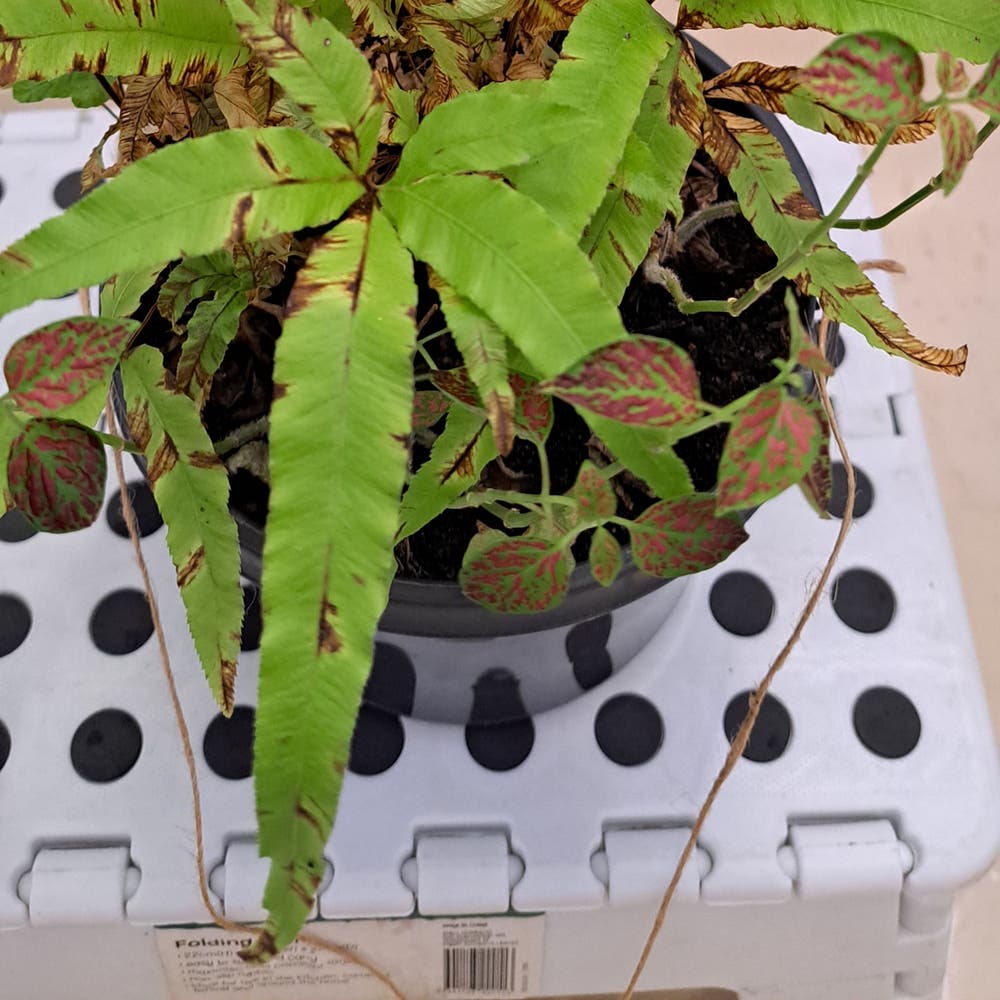
Jersey Fern grows in dense clumps, making it an excellent choice for ground cover. It thrives in partial to full shade, adapting well to various light conditions.
Natural Spread Potential 🌿
This fern has a limited spread, primarily using rhizomes, but it does so without aggression. Its moderate growth rate allows for controlled expansion, making it manageable in garden settings.
Environmental Limits to Growth 🌍
Jersey Fern prefers acidic, well-drained soils, which helps define its growing environment. It also requires consistently moist conditions, limiting its spread in drier areas.
Incorporating Jersey Fern into your garden not only enhances its beauty but also ensures a harmonious balance with the surrounding ecosystem. Next, let’s explore its ecological role and the benefits it brings to local wildlife.
Ecological Role
🦜 Benefits to Local Wildlife
Jersey Fern plays a vital role in supporting local wildlife. It attracts birds by providing essential habitat and foraging opportunities, making it a haven for these creatures.
In addition, it supports a variety of insects, including pollinators. This interaction fosters a healthy ecosystem, benefiting both the plants and the wildlife that depend on them.
🌱 Interactions with Other Plants
This fern thrives alongside other native plants, enhancing biodiversity in garden settings. Its companionship with various species creates a balanced environment that supports a wide range of wildlife.
Moreover, Jersey Fern contributes to soil health. Through the decomposition of its organic matter, it improves soil structure, fostering a thriving ecosystem beneath the surface.
🌍 Role in Soil Health and Erosion Control
The dense root system of Jersey Fern is crucial for soil stabilization. It prevents erosion, especially in areas prone to runoff, ensuring that the soil remains intact and healthy.
Additionally, it plays a significant role in nutrient cycling. As the leaves decompose, they enrich the soil, creating a nutrient-rich environment that supports other plants and wildlife.
Incorporating Jersey Fern into your garden not only enhances its beauty but also promotes ecological balance. This fern's contributions to wildlife, plant interactions, and soil health make it an invaluable addition to any landscape.
As we explore garden management strategies next, consider how Jersey Fern can fit into your design for a sustainable and vibrant ecosystem.
Garden Management
Incorporating Jersey Fern into Garden Designs 🌿
Jersey Fern is a fantastic choice for shaded areas or woodland gardens. Its dense clumps create a lush ground cover that adds depth and texture to your landscape.
Pairing Jersey Fern with other ferns and shade-loving plants enhances visual appeal. This combination not only looks stunning but also promotes a diverse ecosystem in your garden.
Practical Growth Control Methods ⚙️
Managing Jersey Fern is straightforward, making it an ideal plant for any gardener. Here are some easy methods to keep its growth in check:
- Regular monitoring of growth spread: Keep an eye on how far the fern spreads to ensure it stays within desired boundaries.
- Manual removal of excess clumps if necessary: If you notice it becoming too dense, simply pull out some clumps to maintain balance.
- Mulching to suppress unwanted growth in surrounding areas: Apply mulch around the fern to limit competition from other plants and control its spread.
By following these simple strategies, you can enjoy the beauty of Jersey Fern while maintaining a well-organized garden. This approach not only keeps your garden looking tidy but also supports the health of your local ecosystem.
As you consider incorporating Jersey Fern into your garden, think about its ecological benefits and how it can coexist with other plants. This will lead us to explore the unique qualities of Jersey Fern compared to other non-invasive ferns.
Comparison to Other Plants
🌿 Similar Non-Invasive Ferns
When considering non-invasive ferns, two notable examples are the Maidenhair Fern and the Lady Fern. Both share similar growth habits, forming lush, dense clumps that provide excellent ground cover.
These ferns thrive in similar habitats, preferring shaded areas with moist, well-drained soils. Their adaptability makes them great companions for Jersey Fern in garden settings.
✨ Unique Qualities of Jersey Fern
Jersey Fern stands out due to its distinctive dense clumping habit. This feature not only enhances its aesthetic appeal but also allows it to adapt to various light conditions, from partial shade to full shade.
In comparison to other ferns, Jersey Fern is less aggressive and easier to manage. This quality makes it an ideal choice for gardeners looking to maintain a balanced ecosystem without the worry of invasive spread.
The combination of its unique growth form and manageable nature positions Jersey Fern as a valuable addition to any garden. As you explore your gardening options, consider how this fern can complement your landscape while promoting biodiversity.
Next, let’s delve into the legal and environmental considerations surrounding the use of Jersey Fern in your garden.
Legal and Environmental Considerations
Relevant Classifications and Guidelines 🌱
Understanding local regulations is crucial when incorporating plants like Jersey Fern into your garden. Many areas have specific guidelines regarding native plantings and non-invasive species, ensuring that local ecosystems remain healthy.
Using native plants, such as Jersey Fern, is often encouraged. They not only thrive in their natural habitats but also support local wildlife and biodiversity.
Sustainable Gardening Practices ♻️
Incorporating Jersey Fern into sustainable garden designs can significantly enhance your landscape. Its adaptability and low maintenance make it an excellent choice for eco-friendly gardening.
Native plants like Jersey Fern contribute to biodiversity and ecosystem health. They provide essential habitats for wildlife and help maintain soil integrity, making your garden a sanctuary for both plants and animals.
By choosing Jersey Fern, you’re not just beautifying your space; you’re also playing a part in preserving the environment. This mindful approach to gardening fosters a deeper connection with nature, inspiring others to follow suit.
As we explore the next section, let’s delve into how Jersey Fern compares to other plants in terms of its unique qualities and benefits.
⚠️ Safety First
This content is for general information and may contain errors, omissions, or outdated details. It is not medical, veterinary advice, or an endorsement of therapeutic claims.
Always consult a qualified healthcare professional before using any plant as food, medicine, or supplement.
Never eat any plant (or feed one to pets) without confirming its identity with at least two trusted sources.
If you suspect poisoning, call Poison Control (800) 222-1222, the Pet Poison Helpline (800) 213-6680, or your local emergency service immediately.
Spotted an error? Please report it here.
Discover the charm of the Jersey Fern, a non-invasive beauty 🌱 that enriches your garden's ecosystem, and let Greg provide personalized care reminders to help it flourish in your unique space!