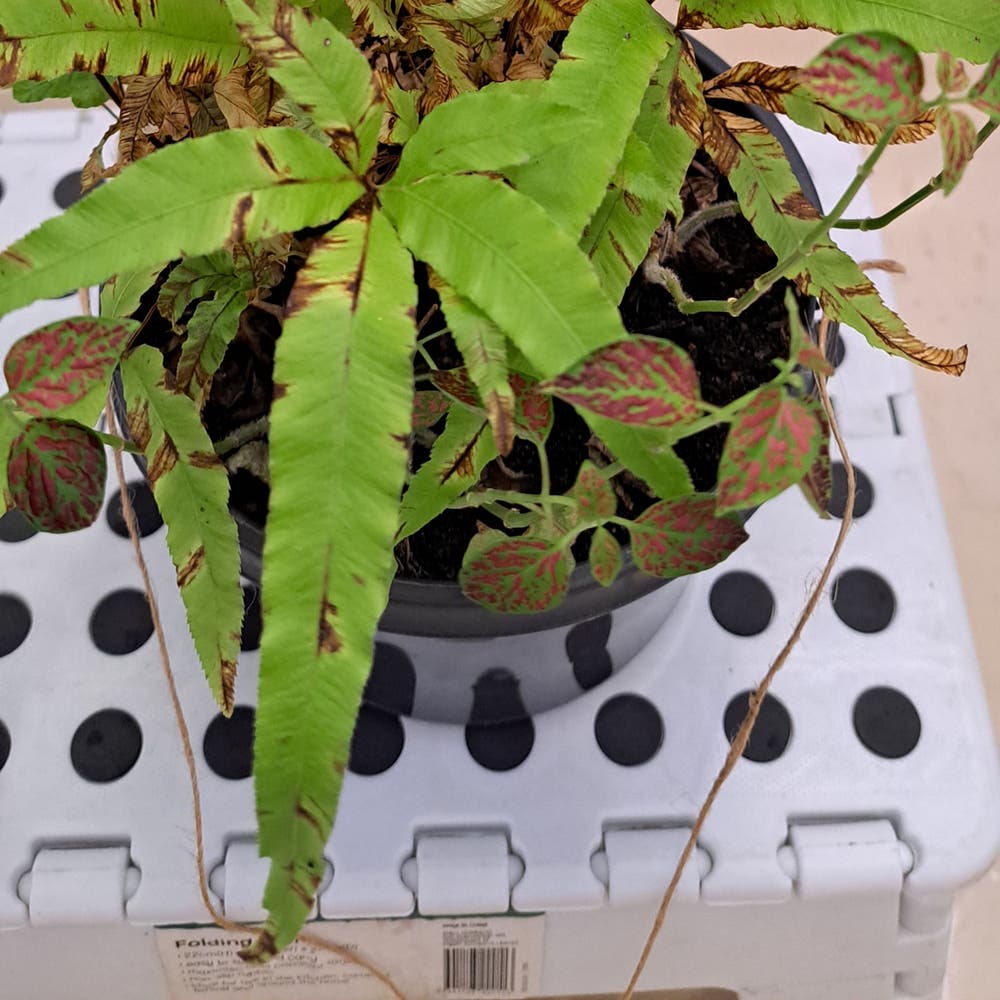
🍃 Cretan Brake: Not an Annual
Pteris cretica
By the Greg Editorial Team
Oct 02, 2024•5 min read
This article was created with the help of AI so we can cover more plants for you. May contain errors. See one? Report it here.
Transform your garden with Cretan Brake's unique perennial traits for a thriving, low-maintenance ecosystem! 🌱
- 🌱 Cretan Brake is a perennial, thriving for years unlike annual plants.
- 🌿 It reproduces through spores, enhancing its long-term survival and adaptability.
- 🌞 Optimal care includes well-draining soil and consistent watering for vibrant growth.
Cretan Brake as a Perennial
Cretan Brake is classified as a perennial due to its long-term lifecycle and unique genetic characteristics. This classification highlights its ability to thrive over multiple years, setting it apart from annual plants.
🧬 Genetic and Physiological Characteristics
The unique genetic makeup of Cretan Brake plays a crucial role in its perennial classification. Its lifecycle includes distinct stages, starting with germination and establishment, followed by growth phases that can last several years.
🌱 Growth Patterns and Reproductive Strategies
🌿 Annual Frond Production
Each growing season, Cretan Brake produces new fronds, showcasing its adaptability to varying environmental conditions. This annual frond production is vital for its survival and growth.
🦠 Spore Production
Unlike seed-bearing plants, Cretan Brake employs a distinct reproductive mechanism through spore production. The timing and conditions for spore release are critical for its propagation and overall lifecycle.
📅 Lifecycle Implications
🌸 Seasonal Growth Patterns
Cretan Brake exhibits active growth in spring and summer, entering a dormant phase during colder months. This seasonal rhythm is essential for its survival and energy conservation.
⚖️ Comparison with True Annuals
When compared to true annuals, Cretan Brake demonstrates significant differences in lifecycle duration and reproductive strategies. Understanding these distinctions helps gardeners appreciate its perennial nature.
Cretan Brake's unique characteristics and lifecycle strategies make it a fascinating plant to cultivate. As we explore variations and exceptions in its classification, we can further understand how environmental factors influence its growth.
Variations and Exceptions
Understanding the Cretan Brake can be tricky due to various factors that lead to misconceptions about its classification. Many people mistakenly view it as an annual plant, primarily because of its growth patterns and environmental responses.
🤔 Conditions Leading to Misconceptions
Misinterpretations often arise from observing the plant's behavior in different environments. For instance, in less-than-ideal conditions, Cretan Brake may appear to die back completely, prompting the assumption that it’s an annual.
🌪️ Environmental Stressors Affecting Growth
Environmental stressors play a significant role in how Cretan Brake develops. Factors like drought, extreme temperatures, and poor soil quality can hinder its growth, making it seem less perennial.
🌍 Regional Differences Influencing Treatment
Regional variations also impact how Cretan Brake is perceived. In some areas, it may thrive and exhibit its perennial nature, while in others, it struggles, leading gardeners to treat it as an annual.
Understanding these variations helps clarify the true nature of Cretan Brake. By recognizing its resilience and adaptability, you can appreciate its role in diverse gardening contexts.
Next, we’ll explore how to leverage Cretan Brake’s perennial qualities in garden design and planning.
Garden Design and Planning
Cretan Brake is a fantastic choice for garden design, thanks to its perennial nature. This plant not only thrives year after year but also adds a unique flair to your landscape.
🌟 Advantages of Using Cretan Brake
Choosing Cretan Brake offers several benefits:
- Long-term Investment: Once established, it requires minimal upkeep, making it a smart choice for busy gardeners.
- Low Maintenance: Its resilience means you spend less time worrying about care and more time enjoying your garden.
- Biodiversity Contribution: This plant supports local ecosystems, attracting beneficial insects and enhancing overall garden health.
🌱 Tips for Integration
To make the most of Cretan Brake in your garden, consider these strategies:
- Ideal Planting Locations: Position it in areas with good drainage and partial shade to mimic its natural habitat.
- Companion Planting: Pair it with other perennials or native plants to create a harmonious and diverse garden environment.
By thoughtfully incorporating Cretan Brake, you can create a vibrant, sustainable garden that flourishes with minimal effort. This plant not only beautifies your space but also enriches the ecosystem, making it a win-win for any gardener.
As you plan your garden, keep in mind the management tips that will help Cretan Brake thrive alongside your other plants.
Management Tips
Maintaining Cretan Brake as a perennial requires understanding its unique needs. Here are some best practices to ensure it thrives in your garden.
Best Practices for Maintenance 🌱
Soil Quality: Ensure well-draining soil rich in organic matter. This promotes healthy root development and overall plant vigor.
Watering: Water consistently, especially during dry spells. However, avoid waterlogging, as Cretan Brake prefers slightly drier conditions.
Fertilization: Use a balanced fertilizer during the growing season. This supports robust growth and vibrant frond production.
Strategies for Longevity 🔄
Pruning: Regularly remove dead or damaged fronds. This encourages new growth and keeps the plant looking tidy.
Mulching: Apply a layer of mulch around the base. This helps retain moisture and suppresses weeds, benefiting the plant's health.
Pest Management: Keep an eye out for pests. Early detection and treatment can prevent infestations that might weaken the plant.
Seasonal Care 🌸
Spring Awakening: As temperatures rise, check for new growth. This is the time to fertilize and prepare for the active growing season.
Winter Preparation: In colder months, reduce watering. Allow the plant to enter dormancy naturally, which is crucial for its lifecycle.
By following these management tips, you can maximize the longevity and beauty of Cretan Brake in your garden. This perennial not only adds aesthetic value but also contributes to a sustainable ecosystem.
Next, let's explore how to leverage Cretan Brake's perennial nature in garden design.
⚠️ Safety First
This content is for general information and may contain errors, omissions, or outdated details. It is not medical, veterinary advice, or an endorsement of therapeutic claims.
Always consult a qualified healthcare professional before using any plant as food, medicine, or supplement.
Never eat any plant (or feed one to pets) without confirming its identity with at least two trusted sources.
If you suspect poisoning, call Poison Control (800) 222-1222, the Pet Poison Helpline (800) 213-6680, or your local emergency service immediately.
Spotted an error? Please report it here.
Nurture your Cretan Brake to thrive for years 🌿 with Greg's tailored watering reminders and expert care tips that ensure your garden flourishes effortlessly!