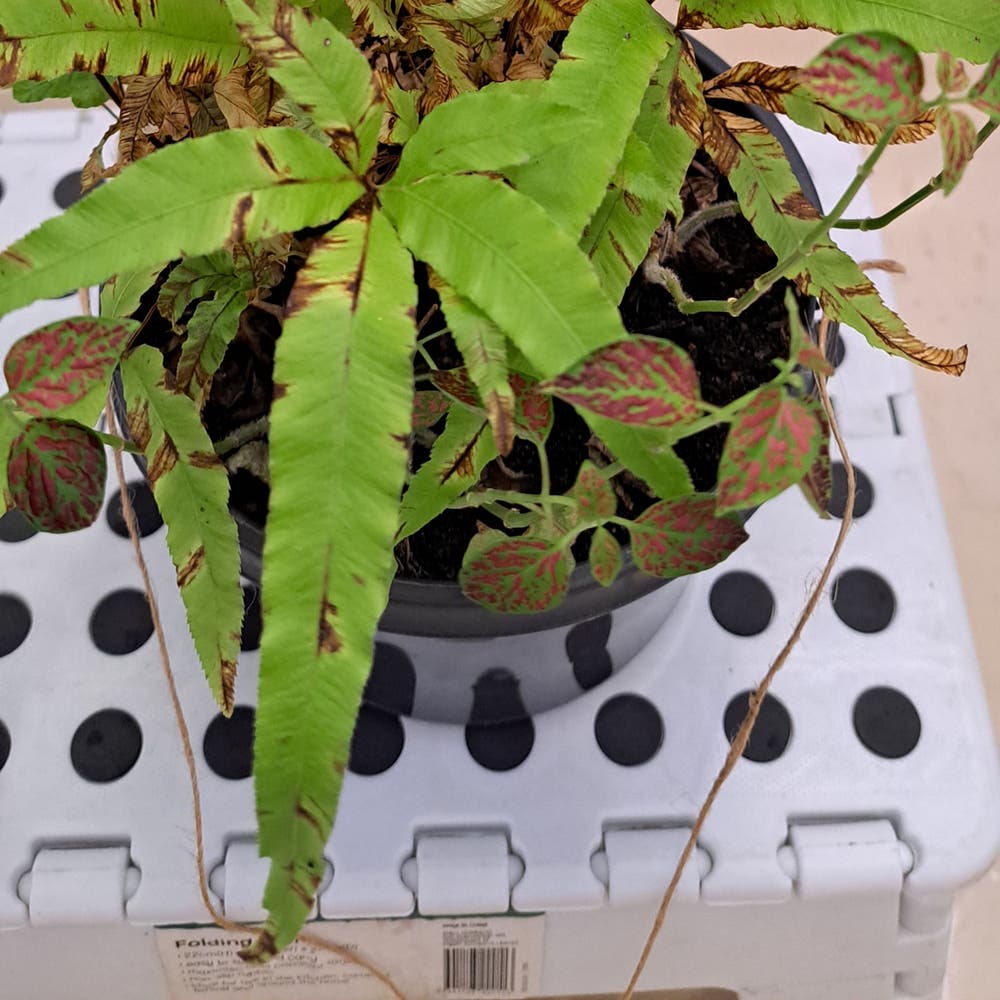
Top 3 Pot Features Your Jersey Fern Will Love ❤️
Pteris cretica
By the Greg Editorial Team
Sep 29, 2024•6 min read
This article was created with the help of AI so we can cover more plants for you. May contain errors. See one? Report it here.
Unlock your Jersey fern's full potential 🌱 by mastering the art of choosing the perfect pot size and material!
- 🌱 Choose the right pot size: 4-6 inches for seedlings, 10-12 for mature ferns.
- 💧 Good drainage is crucial: Aim for 3-5 holes to prevent root rot.
- 🏺 Material matters: Clay pots regulate moisture better than plastic, promoting healthy growth.
Importance of Pot Size
Ideal Container Sizes for Different Growth Stages 🌱
Choosing the right pot size is crucial for your Jersey fern's health.
Seedling Stage: Use a pot that is 4-6 inches in diameter. This size provides just enough room for young roots to establish themselves.
Young Plant Stage: Transition to a 6-8 inch pot as your fern grows. This allows for more root expansion and nutrient uptake.
Mature Plant Stage: For fully grown ferns, opt for a pot that is 10-12 inches in diameter. This larger space supports robust root systems and overall plant vitality.
How Pot Size Affects Growth and Health 📏
The size of the pot directly impacts your fern's growth and well-being.
Root Space: A pot that’s too small can restrict root growth, leading to a root-bound plant. This stunts growth and can cause stress.
Water Retention: Larger pots retain moisture longer, which means you won’t have to water as frequently. This is particularly beneficial for ferns that thrive in consistently moist conditions.
Air Circulation: Adequate space allows roots to breathe. Good air circulation is essential for preventing root rot and promoting healthy growth.
Understanding pot size is key to nurturing your Jersey fern effectively. The right container not only supports growth but also enhances the plant's overall health.
Next, we’ll explore the various pot materials that can further influence your fern's well-being.
Pot Materials
Comparison of Clay vs. Plastic Pots 🌱
When choosing pots for your Jersey fern, consider the material. Clay pots are known for their breathability and moisture regulation, making them ideal for healthy root growth. However, they can be heavy and may crack over time.
On the other hand, plastic pots are lightweight, durable, and cost-effective. Yet, they tend to be less breathable and can retain too much moisture, which might lead to root issues.
Benefits of Using Terracotta 🍂
Terracotta pots offer a natural option that promotes healthy root growth. Their aesthetic appeal also enhances the beauty of your fern's delicate fronds, making them a popular choice among plant enthusiasts.
Impact of Pot Material on Moisture Retention 💧
The choice between clay and plastic significantly affects soil moisture levels. Clay pots allow for better evaporation, which can help prevent overwatering.
In contrast, plastic pots can retain moisture longer, making them suitable for drier climates. When selecting pot materials, consider your local climate conditions to ensure optimal growth for your fern.
With the right pot material, your Jersey fern will thrive, setting the stage for the next important consideration: drainage.
Drainage Considerations
Importance of Drainage Holes 🌊
Drainage holes are crucial for preventing root rot, which can devastate your Jersey fern. These holes allow excess water to escape, ensuring the roots remain healthy and well-aerated.
For optimal drainage, aim for at least three to five holes in the bottom of your pot. The size of these holes should be about half an inch in diameter to facilitate proper water flow.
How to Ensure Proper Drainage in Pots 🏺
Choosing pots with built-in drainage is a smart move. Look for containers specifically designed for plants, as they often come with adequate drainage features.
Additionally, adding a layer of gravel or small stones at the bottom of the pot can enhance drainage. This layer acts as a barrier, preventing soil from clogging the holes.
Signs of Poor Drainage and Their Effects on Fern Health 🚨
Watch for symptoms like yellowing fronds, wilting leaves, or root rot. These signs indicate that your fern is struggling due to excess moisture.
If you notice these issues, consider adjusting your pot choice or adding more drainage materials. A quick fix can save your fern from further distress and promote healthier growth.
With proper drainage in place, your Jersey fern will thrive, setting the stage for the next topic: repotting guidelines.
Repotting Guidelines
When to Repot 🌱
Repotting your Jersey fern is crucial for its health. Look for signs like root-bound conditions or growth stagnation, which indicate it’s time for a new pot.
Aim to repot every 1-2 years to keep your fern thriving. Regular repotting ensures that your plant has enough space to grow and flourish.
Step-by-Step Guide to Repotting 🛠️
- Prepare the new pot: Make sure it has drainage holes to prevent waterlogging.
- Remove the fern from its current pot: Gently loosen the root ball to avoid damaging the roots.
- Inspect roots: Trim any damaged or dead roots to promote healthy growth.
- Place in new pot: Fill it with well-draining potting soil, ensuring the roots have room to spread.
- Water thoroughly: This helps the soil settle around the roots, providing a stable environment.
Choosing the Right Pot During Repotting 🪴
Selecting the right pot is essential for your fern's growth stage. Choose an appropriate container size that allows for future growth without overwhelming the plant.
Consider the material as well. Balance moisture retention with breathability to create the ideal environment for your fern.
With these guidelines, you can ensure your Jersey fern remains healthy and vibrant. Next, let’s explore how environmental factors can impact your plant's well-being.
Environmental Factors
How Pot Choice Influences Humidity Levels 🌧️
The material of your pot plays a crucial role in maintaining humidity for your Jersey fern. Clay pots are porous, allowing moisture to evaporate slowly, which can help create a humid microenvironment around the plant.
In contrast, plastic pots tend to retain moisture more effectively, which can lead to higher humidity levels but may also risk overwatering. To maintain optimal humidity, consider placing a humidity tray filled with water and pebbles beneath your pot, regardless of the material.
Effects of Pot Color on Temperature and Growth 🎨
The color of your pot can significantly affect temperature and, consequently, your fern's growth. Dark pots absorb more heat, which can lead to overheating, especially in direct sunlight.
On the other hand, light-colored pots reflect sunlight, helping to keep the roots cooler. This can be particularly beneficial in warmer climates, ensuring your fern thrives without the stress of excessive heat.
Understanding these environmental factors can help you create the perfect home for your Jersey fern. With the right pot choice, you can enhance its growth and overall health, setting the stage for a flourishing plant.
Common Mistakes
🌱 Common Potting Mistakes
Potting your Jersey fern can be tricky, and two common mistakes often arise: overpotting and underpotting. Overpotting occurs when you choose a pot that's too large, which can lead to excess moisture and root rot.
On the flip side, underpotting means not providing enough space for root growth. This can stunt your plant's development and lead to a host of health issues.
🚫 How to Avoid Overpotting or Underpotting
To select the right pot size, consider the growth stage of your fern. For seedlings, stick to smaller pots, while mature plants need larger containers to thrive.
Regularly monitor your fern's growth and be ready to adjust the pot size as needed. This proactive approach ensures your plant has the space it needs to flourish.
By avoiding these common potting pitfalls, you set your Jersey fern up for a healthy, vibrant life. Next, let’s explore how environmental factors can further influence your plant’s well-being.
⚠️ Safety First
This content is for general information and may contain errors, omissions, or outdated details. It is not medical, veterinary advice, or an endorsement of therapeutic claims.
Always consult a qualified healthcare professional before using any plant as food, medicine, or supplement.
Never eat any plant (or feed one to pets) without confirming its identity with at least two trusted sources.
If you suspect poisoning, call Poison Control (800) 222-1222, the Pet Poison Helpline (800) 213-6680, or your local emergency service immediately.
Spotted an error? Please report it here.
Give your Jersey fern the perfect pot home 🏺 with Greg's tailored tips to ensure its roots thrive and grow beautifully!