🌿 Jersey Fern Is Not an Annual
Pteris cretica
By the Greg Editorial Team
Sep 29, 2024•5 min read
This article was created with the help of AI so we can cover more plants for you. May contain errors. See one? Report it here.
Elevate your garden's beauty 🌿 with the resilient Jersey Fern, a perennial gem that thrives for years!
- 🌱 Jersey Fern is a perennial, thriving for years unlike short-lived annuals.
- 🌳 It flourishes in moist, shaded areas, perfect for woodland and stream bank gardens.
- 🌿 Supports biodiversity by enhancing local wildlife habitats in your garden.
Jersey Fern's Perennial Nature
🌱 Genetic Characteristics
Jersey Fern thrives in moist, shaded environments, often found in woodlands and along stream banks. This native habitat shapes its robust root system, which is crucial for survival in varying conditions.
The genetic traits of Jersey Fern are designed for long-term survival. These adaptations allow it to endure challenges that would typically affect less resilient plants.
🌿 Physiological Traits Supporting Perennial Growth
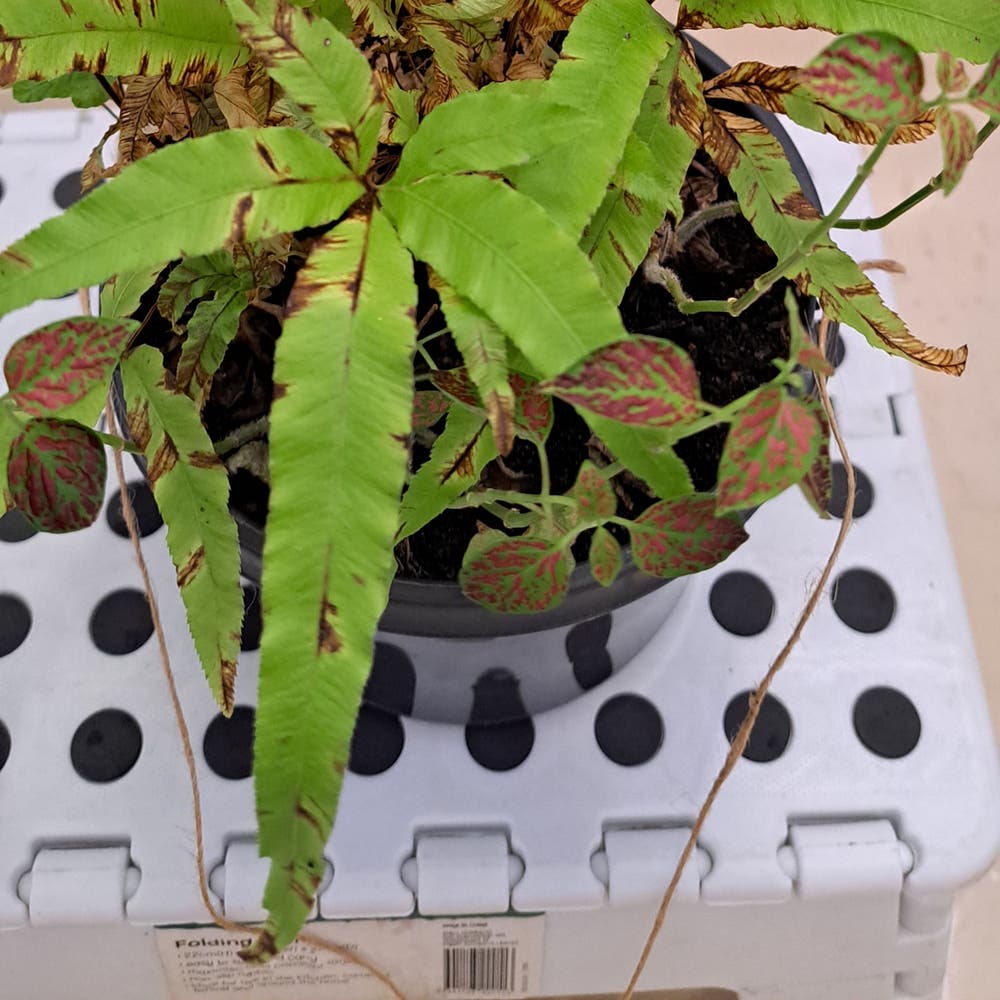
One of the standout features of Jersey Fern is its frond persistence. It can maintain its fronds for multiple years, showcasing its ability to adapt and thrive.
This fern is also highly tolerant to shade and moisture, making it a perfect fit for its native habitats. Its efficient use of nutrients and water over time further supports its perennial nature.
⏳ Long-Term Lifecycle and Growth Patterns
Jersey Fern exhibits a distinct growth cycle characterized by seasonal growth and dormancy phases. This cyclical pattern allows it to thrive for many years in suitable conditions.
In contrast to annuals, which complete their lifecycle in a single season, Jersey Fern's longevity and growth habits highlight its resilience. Understanding these differences is key for anyone interested in gardening with perennials.
Reproductive Strategies
🌼 Flowering and Seed Production
Jersey Fern reproduces through spore production, a typical mechanism for ferns. This method allows the plant to thrive in its native moist, shaded environments.
The timing of spore release follows seasonal patterns, usually occurring in late summer to early fall. This strategic timing ensures that spores are dispersed when conditions are favorable for germination.
Jersey Fern spores have impressive longevity, maintaining viability for several years. This resilience enhances their chances of germination when they land in suitable environments.
🔄 Comparison with True Annuals' Reproductive Cycles
Unlike annuals, which rapidly produce seeds and complete their lifecycle in one growing season, perennials like Jersey Fern have extended reproductive phases. This means they can produce spores over multiple seasons, allowing for a more gradual spread.
The implications for garden planning are significant. Understanding these differences helps gardeners choose the right plants for their designs, ensuring a balanced ecosystem and sustained beauty throughout the years.
Incorporating Jersey Fern into your garden not only enriches the landscape but also supports a diverse range of wildlife. As you plan your garden, consider how the unique reproductive strategies of perennials can enhance your planting approach.
Misconceptions and Exceptions
🌱 Conditions Where Jersey Fern May Be Mistaken for an Annual
Jersey Fern can sometimes be misidentified as an annual due to environmental stress. Extreme conditions, such as drought or excessive heat, can stunt its growth, leading to the false impression that it is short-lived.
Misidentification can also occur when it is confused with short-lived ferns or other annual plants. This confusion often arises in gardens where various species coexist, making it essential to recognize the unique characteristics of Jersey Fern.
🌍 Regional Variations Affecting Its Classification
Geographic differences play a significant role in how Jersey Fern grows. Local conditions, such as soil type and moisture levels, can greatly influence its development and longevity.
The adaptability of Jersey Fern allows it to thrive in diverse habitats. This resilience highlights the importance of understanding local ecology for gardeners, ensuring they can provide the best care for this perennial gem.
By recognizing these misconceptions and regional variations, gardeners can better appreciate the true nature of Jersey Fern. This understanding not only enhances garden design but also fosters a deeper connection with the plant's unique qualities.
As we delve into the garden design implications, let's explore how to effectively incorporate Jersey Fern into your planting schemes.
Garden Design Implications
Advantages of Using Jersey Fern in Perennial Planting 🌿
Jersey Fern is a fantastic long-term investment for any garden. Its stability and reliability make it a go-to choice for gardeners looking to create a lasting landscape.
The unique frond structure adds aesthetic appeal, providing visual interest throughout the seasons. As the fronds change, they bring a dynamic quality to your garden that few other plants can match.
Moreover, Jersey Fern supports local wildlife and biodiversity. By incorporating it into your garden, you contribute to a healthier ecosystem, attracting beneficial insects and providing habitat for various species.
Strategies for Incorporating Jersey Fern into Garden Design 🏡
Companion planting is a smart strategy when incorporating Jersey Fern. Pair it with other perennials to create a visually appealing tapestry of textures and colors.
Placement is crucial for optimal growth. Consider areas that offer the right balance of light and moisture, as Jersey Fern thrives in shaded, moist environments.
Lastly, think about seasonal considerations. Planning for year-round visual appeal ensures that your garden remains vibrant, even during dormancy. By understanding its growth patterns, you can create a garden that looks great in every season.
Incorporating Jersey Fern not only enhances your garden's beauty but also enriches its ecological value. As you plan your design, keep these strategies in mind to create a thriving, sustainable space.
Management Tips
Best Practices for Maximizing Longevity 🌱
To ensure your Jersey Fern thrives, start with the right soil. It prefers well-draining, moisture-retentive soil that keeps its roots happy.
Next, establish a consistent watering schedule. Aim for consistent moisture without waterlogging, as too much water can lead to root rot.
Fertilization needs are minimal. Focus on enriching the soil with organic matter to provide the nutrients your fern craves.
Seasonal Care Considerations 🍂
Spring is a crucial time for monitoring early growth. Keep an eye on your Jersey Fern to catch any issues before they escalate.
As fall approaches, prepare your fern for dormancy. Protect its roots by mulching, which helps insulate them against temperature fluctuations.
Pest management is essential throughout the year. Identify common issues early and address them using gentle, non-chemical methods to keep your garden healthy.
By following these management tips, you can cultivate a thriving Jersey Fern that adds beauty and resilience to your garden. Next, let’s explore how to incorporate this stunning plant into your garden design effectively.
⚠️ Safety First
This content is for general information and may contain errors, omissions, or outdated details. It is not medical, veterinary advice, or an endorsement of therapeutic claims.
Always consult a qualified healthcare professional before using any plant as food, medicine, or supplement.
Never eat any plant (or feed one to pets) without confirming its identity with at least two trusted sources.
If you suspect poisoning, call Poison Control (800) 222-1222, the Pet Poison Helpline (800) 213-6680, or your local emergency service immediately.
Spotted an error? Please report it here.
Unlock the full potential of your Jersey Fern 🌱 with Greg's tailored care reminders and expert tips, ensuring it thrives beautifully in your garden for years to come!