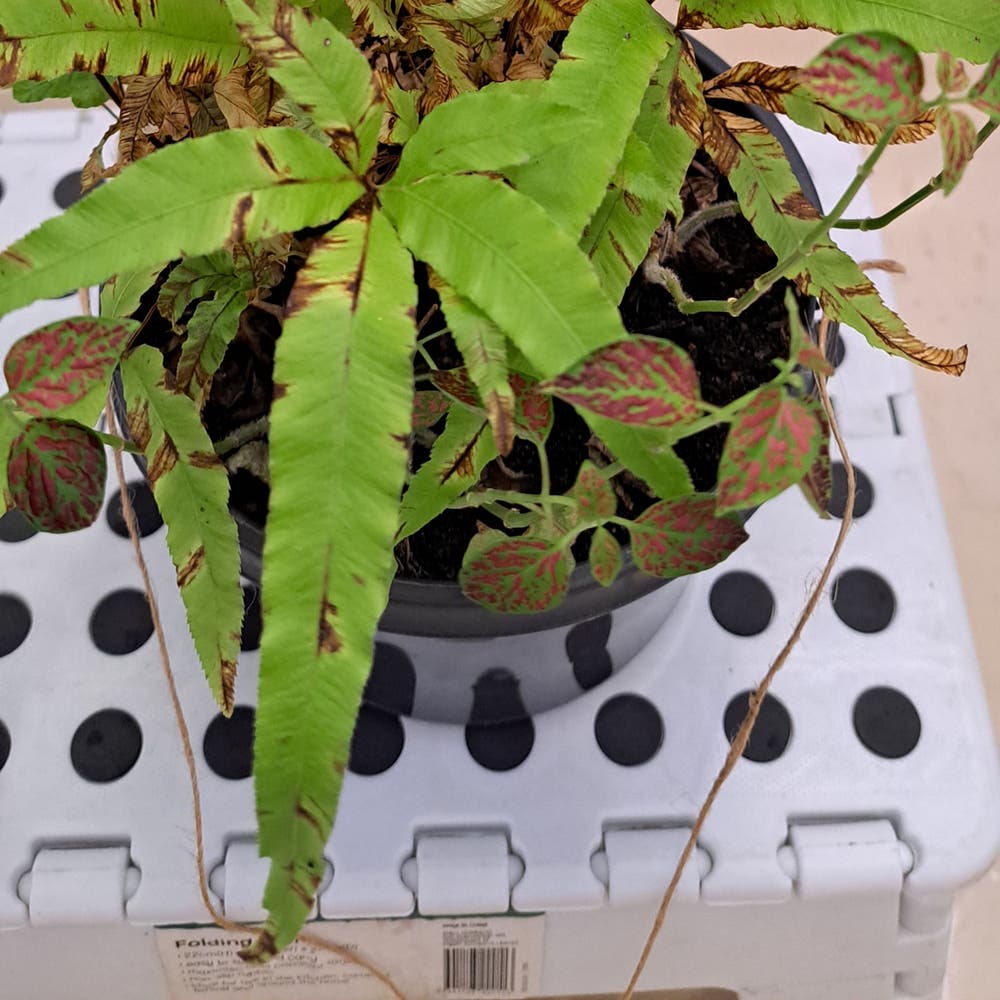
🥕 All About Your Jersey Fern's Roots
Pteris cretica
By the Greg Editorial Team
Sep 29, 2024•6 min read
This article was created with the help of AI so we can cover more plants for you. May contain errors. See one? Report it here.
Master the art of nurturing Jersey Ferns 🌱 by understanding their unique root systems and care needs!
- 🌱 Jersey Fern has a fibrous root system for efficient nutrient and water absorption.
- 💧 Consistent moisture is key to prevent root rot and maintain plant health.
- ✂️ Transplant in spring or fall to minimize stress and promote healthy growth.
Root System Characteristics
Fibrous Root System 🌱
A fibrous root system is characterized by numerous thin roots that spread out from the base of the plant. This structure allows the Jersey Fern to maximize its reach into the soil, ensuring it can absorb nutrients and water efficiently.
Advantages of a Fibrous Root System 🌟
The extensive surface area of fibrous roots enhances nutrient and water absorption. This adaptability enables the Jersey Fern to thrive in various soil conditions, making it resilient in diverse environments.
Comparison with Other Root Types 🔍
When comparing fibrous roots to other systems, such as taproots and rhizomatous roots, the differences become clear. Taproots penetrate deeper into the soil, providing stability and access to underground water, while rhizomatous roots spread horizontally, allowing for rapid propagation. Each system has its unique advantages, but the fibrous root system stands out for its efficiency and adaptability.
Understanding these characteristics is crucial for nurturing your Jersey Fern. With the right care, you can ensure that its roots remain healthy and robust, setting the stage for vibrant growth.
Next, let’s explore the typical root depth, spread, and growth patterns of the Jersey Fern.
Root Depth, Spread, and Growth Patterns
🌱 Typical Root Depth and Spread
The Jersey Fern features a shallow root system, typically reaching depths of just 6 to 12 inches. However, its roots can spread impressively, extending up to 2 to 3 feet in diameter, depending on the soil conditions.
📈 Growth Patterns
These roots primarily grow horizontally, which allows the fern to efficiently absorb moisture and nutrients. During colder months, root growth tends to slow down, while it accelerates in the warmer growing season, showcasing the plant's adaptability to its environment.
Understanding these growth patterns is essential for ensuring your Jersey Fern thrives. By recognizing how its roots behave, you can better meet its watering and fertilizing needs, setting the stage for a healthy plant.
Next, let’s explore how to properly care for your fern through watering, fertilizing, and transplanting.
Watering, Fertilizing, and Transplanting
💧 Watering Needs
Maintaining the right moisture level is crucial for your Jersey Fern. Keep the soil consistently moist but avoid waterlogging, as this can lead to root rot.
Proper drainage is essential. Well-draining soil allows excess water to escape, keeping your fern's roots healthy and thriving.
🌱 Fertilization Considerations
During the growing season, your fern will benefit from a balanced fertilizer. This provides the necessary nutrients to support vibrant growth.
Watch for signs of nutrient deficiency, such as yellowing fronds or stunted growth. These indicators signal that your fern may need a nutrient boost.
🌼 Transplanting Best Practices
Transplanting your Jersey Fern is best done in early spring or fall. This timing helps minimize stress on the plant.
Follow these simple steps for a successful transplant:
- Prepare the new planting site with well-draining soil.
- Gently remove the fern from its current pot, taking care not to damage the roots.
- Place the fern in the new location, ensuring roots are spread out.
- Water thoroughly after transplanting to help settle the soil.
By following these guidelines, you can ensure your Jersey Fern remains healthy and vibrant in its new home. Next, let’s explore common root-related issues that can affect your plant's health.
Common Root-Related Issues
🦠 Identifying and Preventing Root Rot
Root rot can be a serious issue for your Jersey Fern. Symptoms include wilting, yellowing fronds, and a foul odor emanating from the soil.
To prevent root rot, focus on proper drainage. Ensure your pot has adequate holes and use well-draining soil. Additionally, avoid overwatering; keeping the soil consistently moist is key, but soggy conditions can spell disaster.
⚒️ Solutions for Unhealthy Roots
If you notice unhealthy roots, swift action is essential. Start by removing any affected roots and repotting the fern in fresh, dry soil.
Timely intervention is crucial to prevent further damage. The sooner you address the issue, the better your chances of restoring your fern to health. Keeping a close eye on your plant can make all the difference in maintaining its vitality.
Next, let’s explore how to identify indicators of root health to ensure your Jersey Fern thrives.
Indicators of Root Health
Visual Cues 🌱
Healthy roots are a joy to behold. They should feel firm and display a white or light tan color, signaling vitality and good condition.
In contrast, unhealthy roots exhibit a dark, mushy texture and often emit a foul odor. These signs are red flags that your Jersey Fern may be in trouble.
Other Indicators 🔍
Beyond the roots, overall plant vigor is crucial. Look for healthy fronds and robust growth patterns; these are indicators that your fern is thriving.
Soil moisture levels also play a significant role. Aim for consistent moisture without waterlogging, as this balance is key to root health.
By keeping an eye on these indicators, you can ensure your Jersey Fern remains vibrant and healthy. Next, let’s explore how to recognize and address rootbound plants, which can be a common issue for ferns.
Recognizing and Addressing Rootbound Plants
Definition and Signs 🌱
Rootbound plants are those whose roots have circled the pot, restricting their growth. You can spot this issue by observing stunted growth and water pooling on the surface of the soil.
Intervention Steps 🛠️
To tackle rootbound conditions, timing is key. Address the problem when you notice growth stalling or roots visibly circling the pot.
Carefully remove the plant from its pot. This step requires gentle handling to avoid damaging the roots.
Gently loosen the roots and trim any circling roots. This helps encourage new growth and prevents further constriction.
Repot in a larger container with fresh soil. A spacious environment allows the roots to spread and thrive.
By recognizing and addressing rootbound conditions promptly, you can ensure your Jersey Fern continues to flourish. Next, let’s explore the importance of root health in propagation and division.
Propagation and Division
Importance of Root Health 🌱
Healthy roots are the backbone of successful propagation and division. When roots are robust, they significantly enhance the establishment of new plants, ensuring they thrive in their new environments.
Steps for Dividing Jersey Fern ✂️
Dividing your Jersey Fern can be a rewarding experience. Follow these steps for effective propagation:
Timing: Aim to divide your fern in spring or early summer for optimal growth.
Tools: Use clean, sharp tools to minimize any damage to the roots during the process.
Division Process:
- Start by gently removing the fern from its pot.
- Carefully separate the root clumps, ensuring each division has healthy roots attached.
- Replant the divisions in suitable soil and water them thoroughly to help them settle in.
By following these steps, you’ll not only expand your fern collection but also ensure that each new plant has the best chance of thriving.
Understanding the significance of root health and proper division techniques will empower you to nurture your Jersey Ferns effectively. Next, let’s explore how to recognize and address rootbound plants to keep your ferns flourishing.
⚠️ Safety First
This content is for general information and may contain errors, omissions, or outdated details. It is not medical, veterinary advice, or an endorsement of therapeutic claims.
Always consult a qualified healthcare professional before using any plant as food, medicine, or supplement.
Never eat any plant (or feed one to pets) without confirming its identity with at least two trusted sources.
If you suspect poisoning, call Poison Control (800) 222-1222, the Pet Poison Helpline (800) 213-6680, or your local emergency service immediately.
Spotted an error? Please report it here.
Nurture your Jersey Fern's vibrant roots 🌿 with Greg's tailored watering alerts and expert care tips to keep it thriving in any environment!