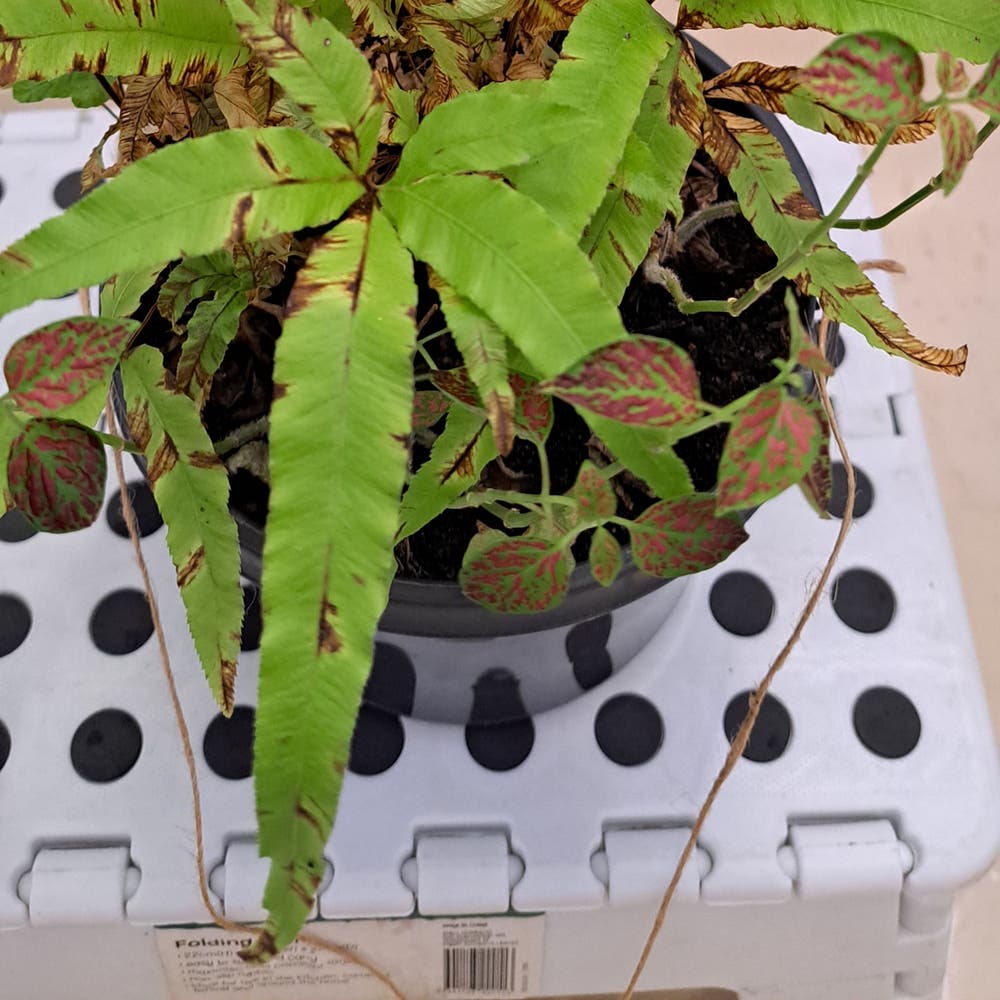
When to Plant: Jersey Fern
Pteris cretica
By the Greg Editorial Team
Sep 29, 2024•6 min read
This article was created with the help of AI so we can cover more plants for you. May contain errors. See one? Report it here.
Timing is key to thriving Jersey Ferns—plant wisely and watch your garden flourish! 🌱
- 🌱 Plant Jersey Fern after the last frost to protect young plants from cold damage.
- 📅 Check local frost dates and soil temperatures for optimal planting conditions.
- 🌞 Ensure 12-14 hours of daylight for healthy growth and successful germination.
Timing for Planting Jersey Fern
🌨️ Importance of Frost Dates
Planting Jersey Fern after the last frost date is crucial. This timing protects young ferns from unexpected cold snaps that could damage their delicate leaves.
To find your local frost dates, check resources like agricultural extensions, gardening websites, and planting calendars. These tools can help you plan your planting schedule effectively.
🌡️ Soil Temperature Considerations
Jersey Fern thrives in soil temperatures ranging from 60°F to 70°F (15°C to 21°C). Warm soil is essential for promoting germination and establishing strong roots.
Make sure to check the soil temperature a few weeks before planting. This ensures that conditions are just right for your ferns to flourish.
☀️ Day Length Impact
For optimal growth, Jersey Fern prefers longer daylight hours, ideally between 12 to 14 hours of light. Planting should align with the increasing day length in spring, particularly around the Spring Equinox on March 20.
This timing allows the ferns to take full advantage of the sunlight, promoting healthy growth and development. Understanding these light requirements can significantly enhance your planting success.
With the right timing in mind, you're well on your way to cultivating a thriving Jersey Fern garden. Next, let’s explore regional planting considerations to further refine your planting strategy.
Regional Planting Considerations
Ideal Planting Months 🌱
When it comes to planting Jersey Fern, timing is everything. Here’s a quick look at the best months for planting across various states:
- Florida: March to April
- California: March to May
- Texas: March to April
- New York: Late April to May
- Colorado: Late May to June
- Ohio: April to May
Understanding these ideal planting months helps ensure your Jersey Fern thrives. Each region has its unique climate, so aligning your planting schedule with local conditions is crucial for success.
Why Timing Matters ⏰
Planting at the right time not only enhances growth but also minimizes risks from unexpected weather changes. For instance, planting too early in colder regions can lead to frost damage, while waiting too long in warmer areas might miss the optimal growing season.
Local Climate Considerations 🌦️
Always consider your local climate patterns. Factors like temperature fluctuations and rainfall can significantly impact when you should plant. Keeping an eye on these variables will help you make informed decisions.
Conclusion 🎉
By aligning your planting schedule with these regional guidelines, you set the stage for a flourishing Jersey Fern garden. Next, let’s explore seed starting techniques to ensure your ferns get the best possible start!
Seed Starting Techniques
Starting Seeds Indoors: Timing and Tips 🌱
Starting Jersey Fern seeds indoors can give you a head start on the growing season. Aim to begin this process 6-8 weeks before the last frost date in your area.
Use seed trays filled with a sterile seed-starting mix to ensure a healthy environment for germination. This helps prevent diseases that can hinder your ferns' growth.
To mimic natural conditions, provide 12-14 hours of light daily using grow lights. This will promote strong, healthy seedlings ready for transplanting.
Direct Sowing: Best Practices and Timing 🌍
If you prefer a more straightforward approach, direct sowing is an excellent option. Wait until after the last frost date to sow seeds directly in your garden.
Ensure the soil is well-drained and rich in nutrients to support the growth of Jersey Fern. This will create a thriving environment for your plants.
Lastly, follow the recommended spacing guidelines for Jersey Fern to give each plant ample room to grow. This will help prevent overcrowding and promote healthy development.
With these seed starting techniques, you’ll be well on your way to cultivating beautiful Jersey Ferns. Next, let’s explore the regional planting considerations that can further enhance your gardening success.
Factors Influencing Planting Timing
🌦️ Climate Variability Across Regions
Understanding local climate patterns is crucial for successful planting. Temperature fluctuations and precipitation levels can significantly impact when you should plant Jersey Fern.
- Temperature: Warmer regions may allow for earlier planting, while cooler areas require patience.
- Precipitation: Adequate rainfall can promote growth, but too much can delay planting due to soggy soil conditions.
🌍 Microclimates and Their Impact
Microclimates are small areas where the climate differs from the surrounding region. These can greatly influence soil temperature and frost dates, affecting your planting schedule.
- Soil Temperature: In sheltered spots, soil may warm up faster, allowing for earlier planting.
- Frost Dates: Areas with unique microclimates might experience later frosts, so always check local conditions before planting.
Understanding these factors will help you make informed decisions about when to plant Jersey Fern, ensuring optimal growth and health. Next, let’s explore the ideal planting months across various regions.
Comprehensive Planting Guide
🌱 Planting Calendar for All 52 States
Timing is everything when it comes to planting Jersey Fern. Here’s a handy calendar to help you determine the best months for planting across the United States:
| State | Ideal Planting Months |
|---|---|
| Florida | March-April |
| California | March-May |
| Texas | March-April |
| New York | Late April-May |
| Colorado | Late May-June |
| Ohio | April-May |
This calendar serves as a quick reference to ensure you’re planting at the right time for optimal growth.
📋 Summary of Key Factors for Success
To successfully grow Jersey Fern, keep these critical elements in mind:
- Frost Dates: Always plant after the last frost date to protect young ferns from cold damage.
- Soil Temperature: Aim for soil temperatures between 60°F to 70°F (15°C to 21°C) for the best results.
- Day Length: Longer daylight hours, ideally 12-14 hours, are essential for thriving ferns.
Regional considerations play a significant role in your planting success. Understanding your local climate and timing can make all the difference in achieving lush, healthy ferns.
With this knowledge, you're well-equipped to embark on your Jersey Fern planting journey. Next, let’s explore seed starting techniques to get your ferns off to a great start!
⚠️ Safety First
This content is for general information and may contain errors, omissions, or outdated details. It is not medical, veterinary advice, or an endorsement of therapeutic claims.
Always consult a qualified healthcare professional before using any plant as food, medicine, or supplement.
Never eat any plant (or feed one to pets) without confirming its identity with at least two trusted sources.
If you suspect poisoning, call Poison Control (800) 222-1222, the Pet Poison Helpline (800) 213-6680, or your local emergency service immediately.
Spotted an error? Please report it here.
Get your Jersey Ferns off to a thriving start 🌿 by using Greg's tailored reminders and local frost date tracking to plant at the perfect time!