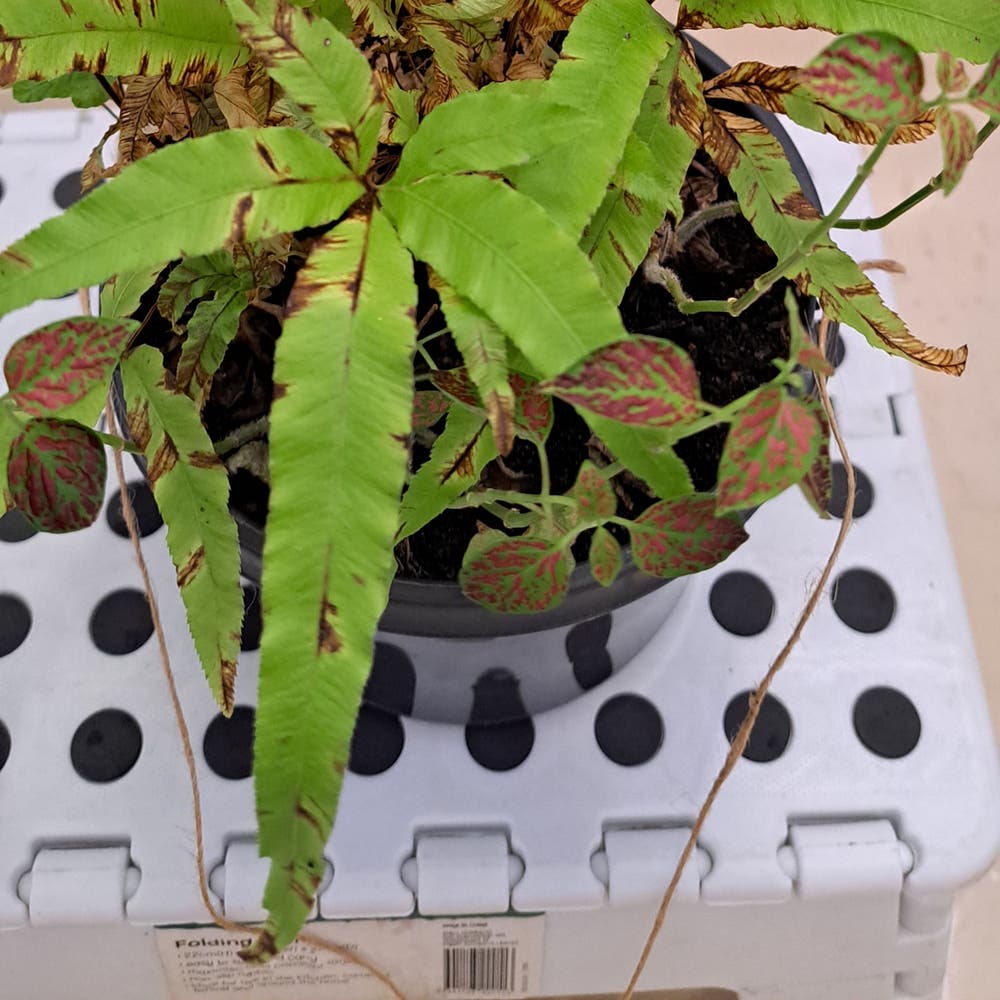
What to Know About Growing Your Cretan Brake Indoors
Pteris cretica
By the Greg Editorial Team
Oct 02, 2024•5 min read
This article was created with the help of AI so we can cover more plants for you. May contain errors. See one? Report it here.
Cultivate a thriving indoor oasis 🌱 by mastering the essential care tips for your Cretan Brake fern!
- 🌞 Cretan Brake ferns thrive in indirect light; avoid direct sunlight to protect fronds.
- 💧 Water when the top inch of soil is dry to prevent overwatering issues.
- 🌿 Maintain humidity levels between 50-70% for optimal growth and health.
Light Requirements
Ideal Indoor Light Levels 🌞
Cretan Brake ferns thrive in indirect light, making filtered sunlight their best friend. Direct sunlight can scorch their delicate fronds, leading to unsightly browning and damage.
Using Grow Lights 💡
When natural light falls short, grow lights come to the rescue. They are essential for maintaining healthy growth in low-light conditions.
Choosing the Best Grow Light
- Type: Opt for LED grow lights; they are energy-efficient and produce minimal heat.
- Spectrum: Full-spectrum lights are ideal, as they support robust growth.
- Duration: Aim for 12-14 hours of light daily to keep your fern thriving.
By understanding and optimizing light conditions, you set the stage for a flourishing Cretan Brake fern. Next, let’s dive into its watering needs to ensure it stays hydrated and healthy.
Watering Needs
🌊 Understanding Watering Needs
Watering your Cretan Brake is all about timing. Allow the top inch of soil to dry out before giving it another drink.
Watch for signs of overwatering, like yellowing fronds or root rot. Ensuring well-draining soil is crucial to prevent these issues.
💧 Watering Techniques
- Check soil moisture: Use your finger to gauge how dry the soil is.
- Watering method: Water thoroughly until you see it draining from the bottom of the pot.
- Adjust frequency based on season: Increase watering in warmer months and reduce it during winter.
By mastering these watering techniques, you’ll keep your Cretan Brake thriving and vibrant. Next, let’s dive into the humidity and temperature control needed for optimal growth.
Humidity and Temperature Control
Humidity Requirements 🌧️
Maintaining the right humidity is crucial for your Cretan Brake. Aim for levels between 50-70% to ensure optimal growth; a humidifier can be a game-changer in drier environments.
To boost humidity, consider these methods:
- Pebble trays: Fill a tray with pebbles and water, placing your plant on top. This creates a localized humidity boost.
- Grouping plants: Cluster your Cretan Brake with other indoor plants. This not only enhances humidity but also creates a vibrant microenvironment.
Temperature Requirements 🌡️
Temperature plays a vital role in your plant's health. The ideal range for your Cretan Brake is between 18°C to 24°C (65°F to 75°F).
Be mindful of temperature extremes. Keep your plant away from drafts, heaters, and air conditioning vents to prevent stress and damage.
With the right humidity and temperature, your Cretan Brake will thrive, setting the stage for a flourishing indoor garden. Next, let’s explore the best soil type and fertilization practices to keep your plant healthy and vibrant.
Soil Type and Fertilization
🌱 Soil Type
To keep your Cretan Brake thriving, start with well-draining soil. A mix of potting soil, perlite, and peat moss works wonders, ensuring that excess water drains away efficiently.
The pH level is also crucial. Aim for a slightly acidic to neutral range, ideally between 6.0 and 7.0, to promote healthy growth.
📅 Fertilization Schedule
When it comes to fertilization, consistency is key. Feed your plant every 4-6 weeks during the growing season, which spans spring and summer.
Opt for a balanced, water-soluble fertilizer, but remember to dilute it to half strength. This approach provides the nutrients your Cretan Brake craves without overwhelming it.
With the right soil and fertilization routine, your plant will flourish beautifully. Next, let’s explore how to tackle common issues that may arise during its growth journey.
Common Issues and Solutions
🐞 Pest Prevention Strategies
Pests can be a real headache for your Cretan Brake. Common culprits include aphids, spider mites, and mealybugs.
To keep these pests at bay, conduct regular inspections of your plant. Look closely at the fronds for any signs of infestation.
Natural deterrents can be your best friends. Neem oil or insecticidal soap can effectively manage pest populations without harsh chemicals.
🔍 Troubleshooting Common Problems
Yellowing fronds can be alarming. This often signals overwatering or inadequate light, so check both conditions promptly.
If you notice wilting leaves, it’s time to assess humidity levels. Adjust your watering frequency to ensure your plant thrives.
With these strategies, you can keep your Cretan Brake healthy and vibrant. Next, let’s explore the best placement tips to maximize its growth potential.
Placement Tips
Ideal Indoor Plant Placement 🌱
For your Cretan Brake, the best spots are near east or north-facing windows. These locations provide the indirect light it craves, mimicking its natural habitat.
Avoid placing it in low-light areas. Insufficient light can lead to leggy growth and overall poor health, making your plant less vibrant.
Considerations for Placement 🏡
Think about accessibility when choosing a location. Ensure you can easily reach your plant for watering and maintenance without hassle.
Aesthetic appeal matters too. Select spots that not only support your plant's health but also enhance the visual charm of your space. A well-placed Cretan Brake can be a stunning focal point in any room.
With the right placement, your Cretan Brake will thrive, setting the stage for a lush indoor garden. Next, let’s explore the essential soil type and fertilization strategies to keep your plant healthy and flourishing.
⚠️ Safety First
This content is for general information and may contain errors, omissions, or outdated details. It is not medical, veterinary advice, or an endorsement of therapeutic claims.
Always consult a qualified healthcare professional before using any plant as food, medicine, or supplement.
Never eat any plant (or feed one to pets) without confirming its identity with at least two trusted sources.
If you suspect poisoning, call Poison Control (800) 222-1222, the Pet Poison Helpline (800) 213-6680, or your local emergency service immediately.
Spotted an error? Please report it here.
Nurture your Cretan Brake fern to thriving beauty 🌿 with Greg's tailored care reminders and expert tips that make indoor growing a breeze!